



The Hidden Power of Integrated X-Ray Systems: Accuracy, Efficiency, and Safety
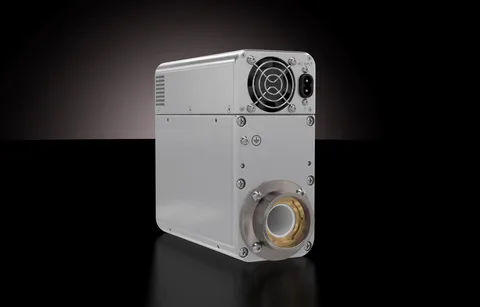
In advanced imaging environments, whether industrial non-destructive testing, medical diagnostics, security screening, or scientific research, there is a growing shift toward smarter, more compact, and more reliable X-ray technologies. At the heart of this transformation lies the integrated X-ray sources, a powerful combination of components engineered to work together in perfect harmony. These systems are designed to enhance accuracy, improve efficiency, and ensure higher levels of safety, making them essential in next-generation imaging applications.
Today, industries need more than just an X-ray source. They require precision, stability, repeatability, and seamless integration. This is where the power of integrated X-ray systems truly becomes undeniable.
Why Integration Matters More Than Ever
Traditional X-ray setups often rely on separately sourced components, tubes, high-voltage generators, control electronics, cooling mechanisms, and shielding systems. While functional, they can result in compatibility issues, discrepancies in calibration, and higher maintenance.
Integrated X-ray systems eliminate these issues by designing all critical components as a unified, optimized solution. This integration ensures every part communicates with the others flawlessly, resulting in greater performance consistency and reduced operational risk.
For OEMs and imaging system designers, this means faster development cycles, reduced engineering complexity, and more dependable long-term performance.
Accuracy: The Foundation of Modern Imaging
Accuracy in X-ray imaging is not just about generating images, it’s about generating the right images. Even a slight deviation in output, focal spot stability, or beam consistency can lead to flawed inspection or misdiagnosis. Integrated systems are engineered to maintain tight tolerances and precise output control, ensuring optimal image clarity and repeatability.
Here’s how integrated solutions enhance accuracy:
1. Precise High-Voltage Regulation
Stable high voltage is essential for producing consistent X-ray output. Integrated systems use advanced controllers and real-time feedback loops to maintain voltage accuracy in challenging environments, from high-speed manufacturing lines to medical diagnostics rooms.
2. Focal Spot Optimization
A stable focal spot results in sharper and more detailed images. Integrated systems are designed to maintain thermal stability and precise beam alignment, allowing clearer visualization of defects, materials, or biological structures.
3. Reduced Calibration Errors
With all components engineered to function as a single unit, calibration becomes far more predictable. This reduces the chances of drift or misalignment over long operational periods.
Efficiency: Faster, Smarter, and More Reliable
Efficiency plays a major role in the overall cost and throughput of imaging operations. Integrated X-ray systems dramatically enhance efficiency across multiple dimensions:
1. Lower Downtime
Integrated assemblies are easier to maintain and replace. Because the system components are designed to fit and work together, troubleshooting becomes quicker, and system uptime increases significantly.
2. Streamlined OEM Integration
For original equipment manufacturers, system-level integration can be a challenge. Pre-engineered integrated solutions simplify design requirements, reduce engineering hours, and shorten development cycles.
3. Energy Efficiency
Modern integrated systems utilize advanced power management and optimized thermal control, lowering overall power consumption without compromising performance.
4. Compact System Footprint
By combining the tube, generator, and control mechanics into one optimized unit, integrated solutions minimize space usage, an essential factor in portable, robotic, or space-constrained imaging systems.
In industries such as electronics inspection, aerospace manufacturing, food safety, or healthcare, this efficiency translates into faster inspection times, lower operational costs, and increased output quality.
Safety: A Non-Negotiable Requirement
Safety is central to any X-ray application. From protecting operators to preventing system failures, integrated systems bring significant safety advantages.
1. Built-In Protection Mechanisms
Integrated systems come equipped with shielding, interlocks, overload protections, and real-time system monitoring. These features ensure safe operation even in demanding industrial environments.
2. Lower Radiation Leakage
Because components are designed to fit together precisely, the risk of unintended radiation leakage is significantly reduced.
3. Intelligent System Controls
Advanced operational software allows automated shutdowns, fault diagnostics, and voltage ramping, which prevent misuse or unsafe operating conditions.
4. Reduced Human Error
Simplified system architecture means operators require less manual adjustment, reducing the chance of incorrect setup or risky handling.
This holistic safety-first approach makes integrated X-ray systems a preferred choice across industries with strict regulatory or safety compliance requirements.
Where Integrated X-Ray Systems Are Making an Impact
The versatility of integrated systems allows them to support a wide range of modern applications:
- Industrial NDT: Detecting cracks, internal defects, weld faults, casting imperfections.
- Semiconductor Inspection: Ensuring precision in microelectronics, PCBs, and micro-solder joints.
- Medical Imaging: Delivering sharper diagnostics with lower radiation doses.
- Security Scanning: Enhancing clarity and detection accuracy in airports, borders, and cargo scanning.
- Scientific Research: Providing stable, high-output X-ray generation for experimentation.
- Robotic and Automated Inspection: Allowing compact integration into intelligent production systems.
In each of these areas, the reliability and performance of integrated systems allow organizations to push boundaries with greater confidence.
How OEM Innovation Is Driving the Future
The next generation of imaging systems is being built through strong OEM partnerships and advanced engineering. Innovations in high-voltage design, compact tube manufacturing, system durability, and thermal control are reshaping expectations for performance and reliability.
Manufacturers committed to long-term R&D and scalable component design play a major role in supporting global imaging demands. This includes companies recognized among the leading high voltage x ray source manufacturers, continuously raising the bar for performance and integration.
Conclusion: The Future of Imaging Is Integrated
Integrated X-ray systems are redefining imaging across industries. Their ability to deliver unmatched accuracy, higher efficiency, and greater operator safety makes them indispensable in a world demanding more precision than ever before. As industries grow more automated and quality standards become stricter, integrated solutions will continue shaping the future of inspection and diagnostics.
VJ X-Ray stands as a global leader in engineering integrated X-ray sources and high-voltage technologies tailored for OEMs. With decades of technical expertise and a commitment to advancing system performance, VJ X-Ray OEM solutions empower partners to build imaging solutions that are faster, more reliable, and future-ready, strengthening innovation across industries worldwide.