



The Role of Commodity Exchanges in Global Trade Explained
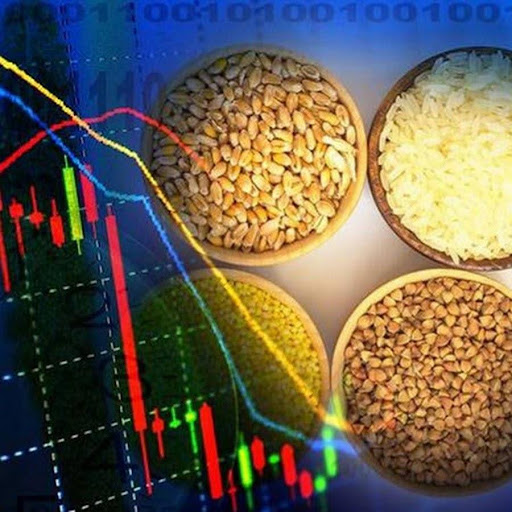
In an interconnected global economy, commodity exchange markets play an indispensable role in facilitating the trade of raw materials that underpin industries worldwide. From agricultural products and energy supplies to industrial metals, these exchanges create a regulated, transparent, and efficient marketplace where global price discovery occurs, and economic risks are managed. Understanding how these markets operate, including major hubs for COMEX commodities, is essential for producers, consumers, investors, and policymakers alike.
What Is a Commodity Exchange?
A commodity exchange is a centralized and regulated marketplace where standardized contracts for buying and selling commodities are traded. These commodities include energy products like crude oil and natural gas, metals such as gold, silver, and copper, agricultural goods including wheat, coffee, and sugar, and even financial contracts tied to these underlying assets.
Unlike physical markets where goods change hands immediately, most transactions on commodity exchanges involve futures and options contracts, agreements to buy or sell a specified amount of a commodity at a predetermined price and date in the future. These contracts are standardized to ensure liquidity and fairness, allowing a broad range of market participants to trade efficiently.
Price Discovery and Market Transparency
One of the most critical functions of commodity exchange markets is price discovery, the process by which the ongoing interaction of buyers and sellers determines the fair price of a commodity. These public price signals help producers and consumers make informed decisions about production, storage, and consumption. A transparent price mechanism ensures that markets reflect real supply‑and‑demand dynamics rather than opaque or manipulated figures.
For example, COMEX commodities contracts, particularly in precious metals, serve as global benchmarks for prices of gold, silver, and copper. Because these exchanges operate under strict regulations and handle significant trading volumes, the prices established there influence markets across continents.
Risk Management and Hedging
Commodity prices can be highly volatile due to factors such as weather conditions, geopolitical tensions, economic cycles, and supply chain disruptions. This volatility creates uncertainty for producers, consumers, and investors. Commodity exchanges help mitigate this risk by enabling hedging strategies, techniques used to lock in prices ahead of time to protect against adverse market movements.
For example, a farmer expecting to harvest corn in six months can sell futures contracts now to lock in a price, reducing the risk of prices falling later. Similarly, a manufacturer reliant on copper can buy futures today to avoid price spikes that would increase production costs. By facilitating these risk‑management practices, commodity exchanges contribute to greater stability in global trade.
Liquidity and Market Access
Liquidity, the ease with which an asset can be bought or sold without causing a substantial price change, is essential for efficient markets. Commodity exchanges provide deep liquidity by aggregating a large number of buyers and sellers in one venue. This depth of market enables participants to enter and exit positions quickly and at transparent prices.
Global exchanges handling millions of contracts daily offer electronic trading systems and extended operating hours, providing near‑continuous access to markets worldwide and allowing traders from different time zones to participate smoothly.
Standardization and Quality Assurance
Another fundamental feature of commodity exchange markets is contract standardization. Each futures contract specifies the quantity, quality, delivery location, and settlement terms for the underlying commodity. This standardization removes ambiguity and ensures that traders know precisely what they are buying or selling.
Standardization also supports secondary market trading, where contracts can be bought or sold multiple times before they expire. This flexibility improves market efficiency and attracts more participants, ranging from large institutional investors to individual traders.
Global Trade Integration
Commodity exchanges are vital links in the global trading system. Physical commodities are produced in diverse regions, oil from the Middle East, metals from South America and Africa, agricultural goods from Asia and North America, yet their prices are globally interconnected. Exchanges help harmonize these markets by offering a common trading platform that transcends national borders.
For instance, price movements in COMEX commodities often influence contract pricing in other regions, aligning global benchmarks. This interconnectedness promotes efficiency in global trade, enabling producers and consumers in different countries to respond to shared market signals.
Reducing Transaction Costs
Before formal commodity exchanges existed, traders negotiated prices privately, leading to inefficiencies, information asymmetry, and higher transaction costs. By consolidating trading activity and offering standardized contracts, commodity exchanges streamline transactions, reduce costs, and suppress price spreads between buyers and sellers.
Market infrastructure, including electronic trading platforms, clearinghouses, and settlement systems, further enhances cost efficiency while reducing credit risk. Clearinghouses, in particular, guarantee that both sides of a trade fulfill their obligations, reinforcing market confidence.
Facilitating Investment and Portfolio Diversification
Because commodity exchanges provide transparent and regulated price movements, they also attract investors seeking diversification beyond traditional assets such as stocks and bonds. Commodities often have price behaviors distinct from equity markets, making them valuable tools for portfolio diversification and hedging against inflation or currency risk.
Investors gain exposure to commodities through futures contracts, exchange‑traded funds (ETFs), commodity indices, and derivative products. By participating in these markets, investors can benefit from global trends in supply and demand for energy, metals, and agricultural products.
Technological Innovation and Accessibility
Technology has dramatically transformed commodity exchange operations. Most global exchanges now offer electronic trading platforms that provide real‑time data, advanced order types, analytical tools, and connectivity to international markets.
This digital transformation has democratized access to commodity trading, enabling more participants, including retail traders, to access markets that were once the exclusive domain of large institutions. Increased access has boosted market liquidity and offered greater choice for participants worldwide.
The rise of the crypto platform also complements traditional commodity trading, enabling digital asset integration and broader investment opportunities. Traders can now combine conventional commodity futures with cryptocurrencies, creating diversified portfolios and innovative trading strategies.
Conclusion
Commodity exchange markets are foundational to global trade by facilitating transparent price discovery, managing risk, improving liquidity, and integrating producers and consumers worldwide. Through platforms like COMEX commodities markets, these exchanges influence global pricing and investment, making them indispensable components of modern financial and trade systems.
SkyTrade is a comprehensive crypto platform and trading service offering seamless access to global markets, including commodities, equities, forex, and digital assets. With real‑time data, low brokerage, instant deposits and withdrawals, and intuitive tools for traders of all levels, SkyTrade aims to empower smarter and faster trading across diverse asset classes.