

Top Applications of Wind Speed Sensors in Weather Stations
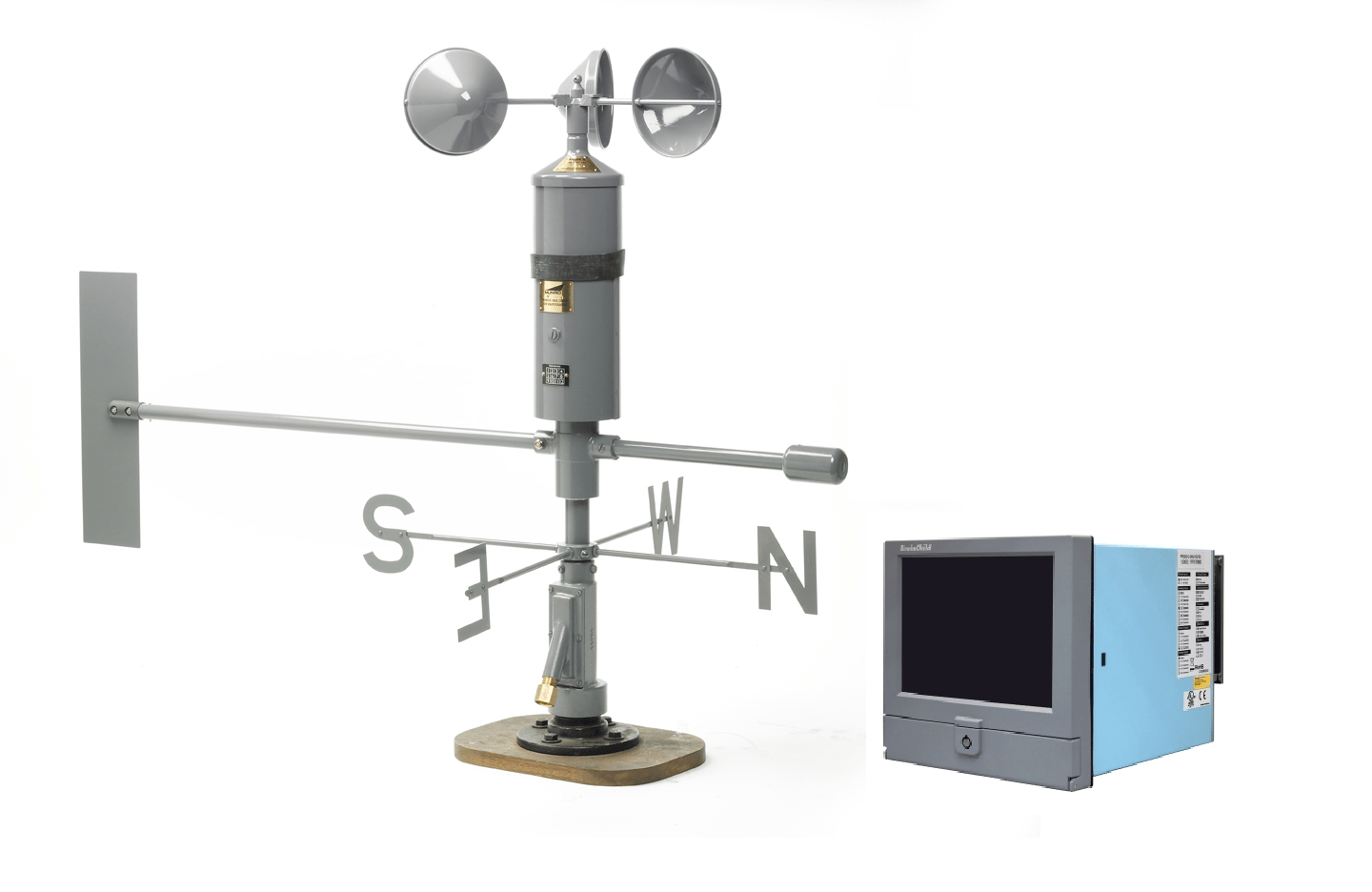
Wind speed sensors are essential instruments in weather stations, providing accurate and real-time data about wind velocity and direction. These measurements are crucial for meteorological observations, climate research, aviation safety, renewable energy management, and environmental monitoring. By understanding wind patterns and behavior, weather stations can offer more precise forecasts, improve public safety, and support various industries that rely on wind data.
A Wind Speed Sensor measures the velocity of air movement at a given location and converts it into readable data for analysis and reporting. Weather stations integrate these sensors alongside other instruments, such as temperature, humidity, and barometric pressure sensors, to provide comprehensive meteorological information. The applications of wind speed sensors in weather monitoring are extensive, ranging from basic forecasting to specialized scientific research and industrial operations.
Meteorological Forecasting
One of the primary applications of wind speed sensors in weather stations is meteorological forecasting. Accurate wind measurements allow meteorologists to track weather systems, predict storms, and understand the movement of air masses.
Wind speed data is critical for short-term forecasts, such as predicting gusts, squalls, or changes in wind direction, which can affect daily weather conditions. Long-term data also helps in understanding seasonal wind patterns, enabling more accurate climate modeling. The combination of wind speed and direction data allows meteorologists to anticipate weather events like hurricanes, tornadoes, and cold fronts, improving public safety and preparedness.
Aviation and Marine Applications
Weather stations equipped with wind speed sensors play a vital role in aviation and maritime operations. Airports rely on wind data to guide takeoffs and landings, ensuring the safety of passengers and crew. Sudden changes in wind velocity or direction can affect aircraft performance, making real-time monitoring indispensable.
Similarly, marine operations depend on accurate wind measurements to navigate safely, prevent accidents, and optimize sailing or shipping routes. Wind speed sensors in coastal weather stations help ship captains and port authorities make informed decisions regarding docking, departure, and cargo handling, reducing risks caused by strong or unpredictable winds.
Renewable Energy Optimization
Wind speed sensors are crucial for optimizing wind energy generation. Weather stations that monitor wind conditions provide data to assess potential sites for wind turbines and ensure the efficient operation of existing turbines.
By analyzing wind speed patterns, energy operators can predict turbine output, schedule maintenance, and adjust operations to maximize energy production. Wind speed sensors help determine cut-in and cut-out speeds for turbines, protecting equipment from damage due to excessive wind and ensuring optimal energy capture during variable conditions. This application is critical for sustainable energy projects and effective grid management.
Environmental and Agricultural Monitoring
Wind speed sensors also contribute to environmental and agricultural monitoring. Understanding local wind conditions helps researchers study pollutant dispersion, forest fire behavior, and the movement of dust or pollen. Weather stations equipped with these sensors provide data for air quality studies and environmental protection measures.
In agriculture, wind speed monitoring supports precision farming practices. Farmers use wind data to determine optimal spraying times for pesticides or fertilizers, reducing drift and minimizing chemical exposure to unintended areas. Monitoring wind conditions also aids in protecting crops from potential wind damage during storms.
Urban Planning and Safety
In urban areas, wind speed sensors help planners and engineers design safer, more comfortable environments. Wind studies in cities inform the placement of tall buildings, pedestrian pathways, and public spaces to reduce wind tunnels and prevent hazards caused by strong gusts.
Emergency management agencies rely on wind data from weather stations to prepare for severe weather events, such as storms or tornadoes. Timely and accurate wind measurements support evacuation planning, resource allocation, and public alerts, enhancing overall safety and community resilience.
Scientific Research
Weather stations equipped with wind speed sensors provide critical data for scientific research in meteorology, climatology, and environmental science. Long-term wind datasets help scientists study climate change, analyze global wind patterns, and model atmospheric circulation.
These sensors also support specialized studies, such as the effects of topography on local wind patterns or the influence of urbanization on microclimates. The precision and reliability of modern wind speed sensors make them indispensable tools for researchers conducting both experimental and observational studies.
Conclusion
Wind speed sensors are integral components of modern weather stations, providing vital data for forecasting, aviation, marine navigation, renewable energy, environmental monitoring, and scientific research. By delivering accurate and real-time measurements, these sensors enhance safety, optimize operations, and contribute to a deeper understanding of wind patterns and their impact on various sectors. Integrating wind speed sensors into weather stations ensures that communities, industries, and researchers have the reliable information needed to make informed decisions, support sustainable energy initiatives, and improve overall public safety.