


Understanding Tonnage and Capacity in Power Press Machines
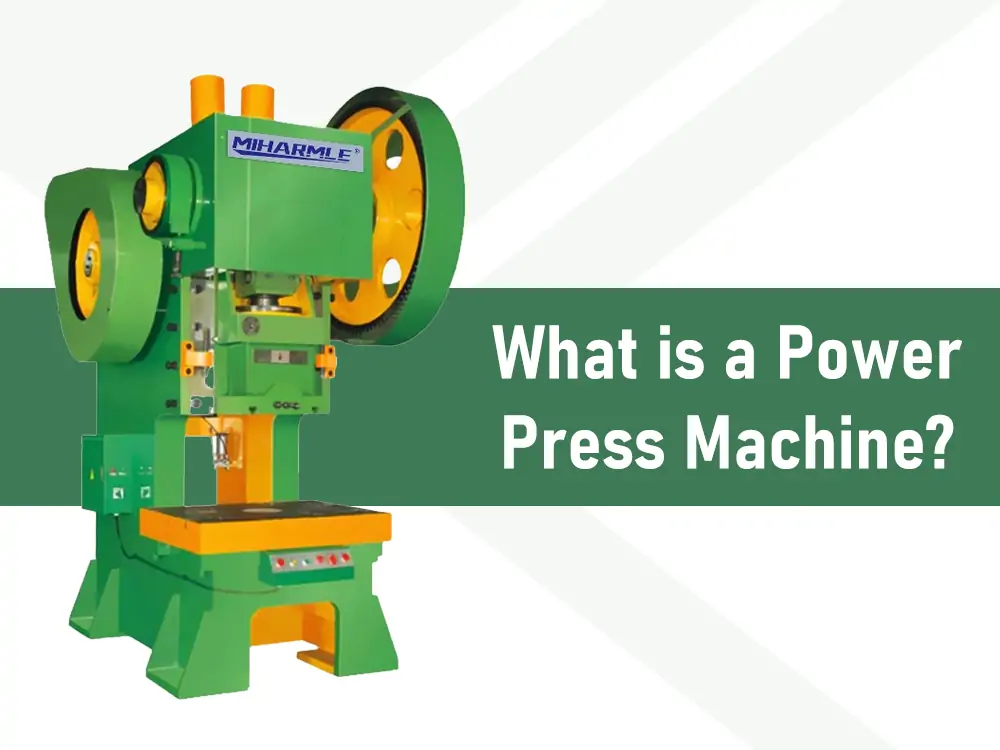
Power press machines are essential equipment in metalworking and manufacturing industries, widely used for operations such as punching, bending, forming, and cutting sheet metal. They are valued for their precision, speed, and ability to handle high-volume production. When selecting or operating a press, understanding its tonnage and capacity is critical. These two specifications determine the maximum force a press can exert and the size of materials it can handle safely. Proper knowledge of tonnage and capacity ensures efficient operation, prolongs machine life, and prevents accidents or product defects.
A Power Press generates substantial mechanical or hydraulic force to shape or cut materials. Exceeding the machine’s rated tonnage or capacity can lead to serious consequences, including equipment damage, die breakage, or operator injuries. Manufacturers typically provide detailed specifications, including maximum tonnage, bed size, stroke length, and shut height, which must be considered carefully to ensure the press is suitable for the intended application.
What is Tonnage in a Power Press?
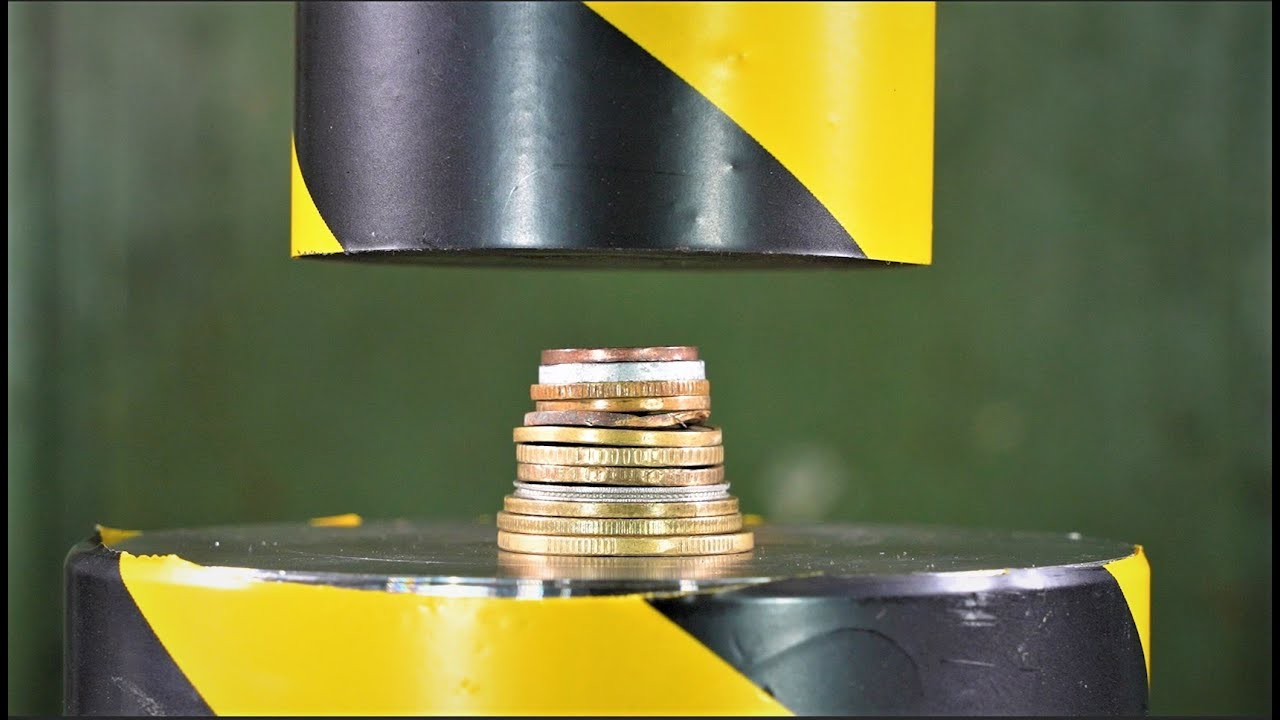
Tonnage is the measure of force that a power press can apply to a workpiece, usually expressed in tons. For example, a 100-ton press can exert a force of 100 tons at the point of contact with the material. Tonnage is a crucial parameter because it determines the types of materials and thicknesses the press can process safely.
Tonnage requirements vary depending on the operation. Cutting or punching thick metal sheets requires the maximum force of the press, while forming or bending operations often distribute the force more evenly. Operators must ensure that the press provides sufficient tonnage for the material type, thickness, and die configuration to avoid overloading the machine and ensure consistent results.
Factors Affecting Required Tonnage
Several factors influence the tonnage needed for a particular operation:
- Material Type: Harder metals such as stainless steel require more force than softer metals like aluminum or brass.
- Material Thickness: Thicker sheets require higher tonnage to cut, bend, or form.
- Die Design: Complex dies with multiple cutting or forming points may demand additional force.
- Stroke Position: The maximum force is often available at a specific point in the ram stroke, and some operations require precise alignment to achieve optimal results.
Understanding these factors helps operators select the right press for the task, ensuring safety and maintaining product quality.
Understanding Capacity in a Power Press
While tonnage refers to the force a press can apply, capacity relates to the physical limitations of the machine. Capacity includes aspects such as:
- Bed Size: The surface area where the workpiece is placed. Larger beds can accommodate bigger sheets or multiple parts simultaneously.
- Stroke Length: The distance the ram travels during each cycle, which affects bending depth or forming ability.
- Shut Height: The distance between the ram and the bed when the press is fully closed, which must accommodate the die and material thickness.
Matching the press’s capacity to the size and thickness of the workpiece is essential for operational efficiency. Using a press with insufficient capacity can result in improper forming, tool damage, or even machine failure.
Selecting the Right Power Press Based on Tonnage and Capacity
Choosing the appropriate press requires balancing tonnage and capacity according to production needs. Key considerations include:
- Calculating the required tonnage based on material type and thickness.
- Ensuring the bed size and stroke length accommodate the intended dies and workpieces.
- Considering potential future production changes, such as processing thicker materials or larger sheets.
- Consulting manufacturer specifications to avoid operating beyond the press’s rated limits.
Selecting the correct press improves safety, minimizes machine wear, and enhances the consistency of production outputs.
Safety Considerations Related to Tonnage and Capacity
Operating a power press beyond its rated tonnage or capacity can have serious consequences. These may include:
- Die or tool breakage, which can produce flying fragments and injure operators.
- Mechanical failure of critical components such as the ram, crankshaft, or frame.
- Misalignment or deformation of workpieces, resulting in defective products.
Operators must always calculate the required tonnage for each operation, use machines within their rated capacity, and perform routine inspections and maintenance to maintain safe and reliable performance.
Conclusion
Understanding tonnage and capacity in power press machines is essential for efficient, safe, and productive operations. Tonnage determines the force available to shape, bend, or cut materials, while capacity defines the machine’s physical limitations, including bed size, stroke length, and shut height. Selecting the right press based on these factors, adhering to manufacturer specifications, and following safety protocols ensures optimal performance, prevents accidents, and extends the life of the machine. By integrating this knowledge into daily operations, manufacturers can maintain high-quality production while protecting both equipment and personnel.