

What Is a Power Punch Machine and How It Works
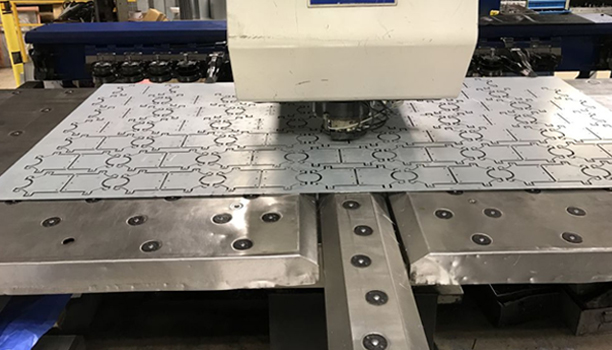
A power punch machine is an essential piece of equipment in the metalworking and fabrication industries. Designed to cut, shape, and form metal sheets with precision, these machines provide consistent results while improving efficiency in manufacturing processes. They are widely used in industries such as automotive, aerospace, electronics, and construction, where accuracy, speed, and reliability are critical. Understanding what a power punch machine is and how it operates can help businesses make informed decisions when investing in this technology.
Definition and Purpose of a Power Punch Machine
At its core, a power punch machine is a mechanical or hydraulic device that applies controlled force to a punch tool, which in turn cuts or shapes the metal sheet against a die. Unlike manual punching methods, power punch machines use energy from motors or hydraulics to exert a consistent and precise force. This allows for faster production cycles and greater repeatability, making them ideal for high-volume operations. Modern power punch machines also often include automation features, enabling them to handle complex punching sequences without constant manual intervention. Leading Power Punch Machine manufacturers provide solutions that integrate advanced control systems, ensuring optimal performance and precision.
Key Components of a Power Punch Machine
A power punch machine typically consists of several essential components:
- Frame: The machine’s frame provides structural support and ensures stability during operation. High-quality steel or alloy construction is used to withstand high forces and prevent deformation.
- Punch and Die: The punch is the tool that makes contact with the metal sheet, while the die provides a matching surface for cutting or shaping. Different punches and dies can be used for specific applications, including round holes, slots, or custom shapes.
- Ram or Slide: The ram, sometimes called the slide, moves the punch toward the die with controlled force. The ram can be driven mechanically, hydraulically, or electrically depending on the machine type.
- Drive System: Power punch machines utilize motors, hydraulic pumps, or servo drives to generate the necessary force. Mechanical systems often use flywheels and crank mechanisms, while hydraulic systems rely on fluid pressure for controlled punching.
- Control System: Modern machines feature programmable logic controllers (PLCs) or CNC interfaces. These systems allow operators to program punching sequences, control stroke speed, and monitor performance.
- Safety Mechanisms: To protect operators, machines include emergency stops, protective guards, and light curtains. These features are critical for reducing workplace accidents and ensuring compliance with safety standards.
How a Power Punch Machine Works
The operation of a power punch machine involves several steps that ensure precise and efficient punching:
- Material Positioning: The metal sheet is positioned on the machine bed, either manually or with automated feeders. Accurate alignment ensures that each punch occurs at the correct location.
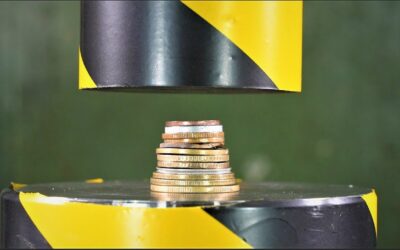
- Punching Process: When the machine is activated, the ram drives the punch into the sheet with controlled force, pressing the material against the die. This action shears the metal, creating the desired hole or shape.
- Cycle Repetition: The machine then retracts the punch, allowing the material to move to the next position. Automated machines can repeat this cycle hundreds or thousands of times, maintaining consistent results with minimal human intervention.
- Finishing: Depending on the application, additional processes such as deburring or bending may follow the punching operation. Advanced machines may integrate these processes to provide a complete manufacturing solution.
Advantages of Using a Power Punch Machine
Power punch machines offer several benefits over manual or less advanced punching methods:
- Precision and Consistency: Automated control systems ensure uniform results across multiple operations.
- Speed and Efficiency: Machines can perform high-volume operations faster than manual methods, increasing productivity.
- Versatility: Interchangeable punches and dies allow for various shapes and sizes to be created.
- Reduced Labor Requirements: Automation reduces the need for manual handling, lowering labor costs and improving safety.
- Durability: High-quality materials and robust design allow machines to withstand heavy-duty operations over extended periods.
Applications in Industry
Power punch machines are widely used in industries that require precision metal fabrication. In the automotive sector, they create components such as brackets, panels, and chassis parts. In electronics, they are used for enclosures, connectors, and mounting plates. The construction industry utilizes these machines for structural components, frames, and metal fittings. Their versatility and efficiency make them a cornerstone of modern industrial operations.
Conclusion
A power punch machine is a sophisticated piece of equipment that combines mechanical or hydraulic power with precision tooling to cut and shape metal sheets efficiently. By understanding its components, working principles, and industrial applications, businesses can make informed decisions about selecting the right machine for their production needs. Investing in a high-quality Power Punch Machine ensures enhanced productivity, consistent performance, and long-term operational reliability, making it an invaluable asset for modern manufacturing environments.