
Why Bronze Is the Preferred Material for Children’s Sculptures?
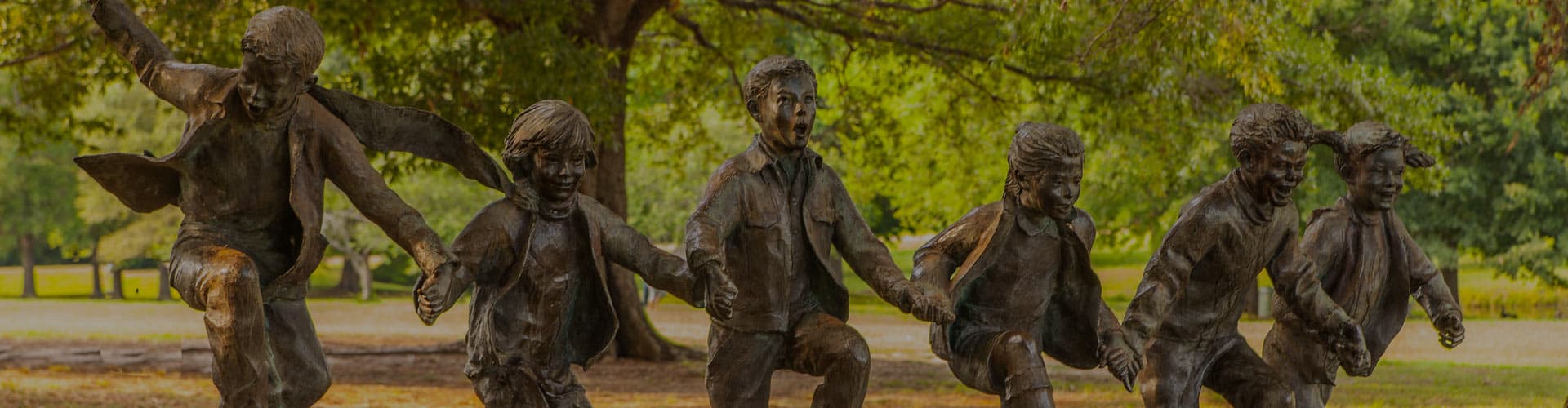 children's bronze sculptures
Artists, collectors, and public institutions often choose bronze for sculptures depicting children. The material supports long-term durability while allowing expressive detail and emotional accuracy. These qualities matter when the subject represents innocence, movement, and personality. Because of this balance between strength and artistry, children’s bronze sculptures remain widely preferred for both private and public display.
Key Qualities That Make Bronze Ideal for Children’s Sculptures
Bronze is widely chosen for sculptures of children because it combines strength, precision, and visual appeal. Its unique properties allow artists to create works that remain expressive, safe, and enduring over time. Here are the main reasons why bronze is preferred:
Durability That Supports Long-Term Display
Bronze resists cracking, corrosion, and structural damage, making it ideal for sculptures intended to last for decades. It withstands changes in temperature, moisture, and sunlight, making it suitable for both outdoor and indoor displays with minimal maintenance.
Detail and Expression in Sculpted Form
Sculptors can capture delicate features such as facial expressions, body posture, and flowing clothing. This level of detail gives children’s bronze sculptures a lifelike, emotive quality that preserves the artist’s original vision.
Stability and Safety in Accessible Spaces
Bronze provides a solid, balanced structure that resists tipping or surface damage. Unlike materials that chip or splinter, it maintains smooth edges and a consistent texture, making it suitable for family-oriented areas where people can interact closely with the artwork.
Visual Warmth and Natural Aging
The natural tones of bronze feel inviting and approachable. Over time, bronze develops a patina that adds depth and character without weakening the sculpture. Artists can also apply finishes to achieve specific colours and textures to complement different environments.
Performance in Outdoor Conditions
Bronze performs exceptionally well in outdoor settings, tolerating rain, heat, and seasonal temperature changes. It does not absorb moisture or degrade quickly, making it a reliable material for public parks, gardens, and schools.
Comparison With Alternative Materials
Other materials have limitations: stone is strong but limits fine detailing; resin allows detail but wears outdoors; wood is warm but requires frequent care. Bronze strikes a balance between durability, flexibility, detail, and aesthetic consistency, making it the preferred choice for children’s sculptures.
The Enduring Appeal of Bronze in Children’s Sculptures
Bronze continues to hold a special place in the world of children’s sculpture for its unique combination of strength, detail, and timeless beauty. Artists can capture the innocence, movement, and personality of young subjects with precision, while collectors and institutions appreciate its durability and low-maintenance nature. Children’s bronze sculptures withstand outdoor exposure and daily interaction without losing their charm, offering both safety and aesthetic appeal. This enduring material allows artworks to remain expressive, visually engaging, and meaningful across generations, making it the preferred choice for depicting children.
Conclusion
Bronze remains the preferred material for sculptures of children because it combines strength, detail, and lasting visual appeal. It supports expressive design while performing reliably in public and private settings. These qualities explain why children’s bronze sculptures continue to be chosen by artists and collectors seeking meaningful, long-lasting artwork.