

Why Marine Chains Matter: Strength, Safety, and Seamless Performance
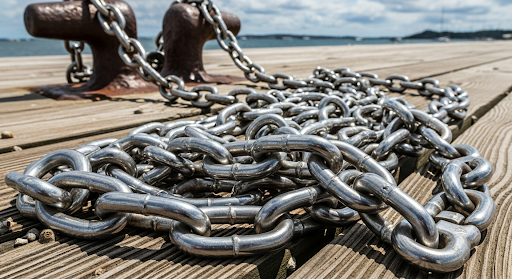
When it comes to maritime operations, one of the most critical yet often overlooked components is the marine chain. Whether anchoring a vessel, securing cargo, or supporting mooring systems, these chains serve as the unsung backbone of safety at sea. From small coastal boats to massive commercial ships, the reliability of a marine chain defines not just a vessel’s holding power but also the safety of the crew, cargo, and overall operations. Understanding the importance of high-quality chains, particularly stainless steel marine chains, is essential for any maritime professional.
This guide explores the crucial role of marine chains, the advantages of using stainless steel variants, industry standards, applications, and maintenance practices that ensure optimal performance and safety.
Types of Marine Chains
Marine chains are manufactured in various types, tailored to vessel size, operational needs, and environmental conditions. Standard steel chains are widely used for heavy-duty applications due to their strength, durability, and cost-effectiveness. These chains are suitable for large commercial vessels, industrial operations, and offshore installations, where high tensile strength and reliability are paramount.
In highly corrosive environments, such as warm saltwater or areas with heavy marine traffic, a stainless steel marine chain is the preferred choice. Stainless steel chains resist rust, pitting, and corrosion, offering extended service life with minimal maintenance. Their ability to withstand environmental stressors while maintaining structural integrity makes them ideal for smaller vessels, luxury yachts, or high-value cargo operations.
Whether for anchoring, mooring, or securing equipment, selecting the right type of chain is a fundamental step in ensuring safe and seamless maritime operations.
Strength and Durability
The strength of a marine chain is a critical factor for safety at sea. Chains must endure high tensile loads while resisting fatigue from repeated tension cycles caused by waves, wind, and current fluctuations. Link design, material quality, and manufacturing precision all influence the chain’s ability to perform reliably under extreme conditions.
A properly engineered stainless steel marine chain combines corrosion resistance with high tensile strength, making it suitable for critical maritime applications. Durability, however, is not limited to the chain alone; the overall anchoring and mooring system—including anchors, windlasses, and winches must withstand dynamic loads without deformation to maintain secure vessel positioning, even during storms or turbulent waters.
Safety and Compliance
Safety is a top priority in maritime operations. A failure in a marine chain can compromise the entire anchoring or mooring system, putting vessels, cargo, and crew at risk. To minimize such hazards, marine chains are produced following stringent international standards.
Certified stainless steel marine chains not only improve corrosion resistance but also ensure consistent mechanical performance. Compliance with recognized standards guarantees that chains can handle expected loads, retain structural integrity over time, and provide crews with confidence in the reliability of their anchoring and mooring systems. This adherence to quality standards is crucial for both commercial and private vessels operating in diverse maritime environments.
Corrosion Resistance: A Critical Factor
The marine environment is extremely harsh, and corrosion remains one of the most significant threats to chain longevity. Saltwater accelerates rusting and pitting, weakening steel chains if low-grade materials are used or protective coatings are insufficient. A stainless steel marine chain provides an effective barrier against corrosion, significantly extending service life and reducing maintenance needs.
Even the highest-quality stainless steel chains benefit from routine care. Regular inspection, cleaning, and lubrication prevent corrosion, help identify early signs of wear, and ensure safe and reliable operation. Proper attention to corrosion prevention is essential for maintaining vessel security and minimizing operational risks in challenging maritime conditions.
Applications in Maritime Operations
Marine chains are versatile components that serve a variety of purposes beyond simple anchoring. They secure cargo, connect mooring lines, and are used in offshore operations such as platform anchoring and towing. The selection of a chain depends on the vessel type, load requirements, and environmental conditions.
For instance, stainless steel marine chains are ideal for smaller vessels, luxury yachts, or operations involving high-value cargo where corrosion resistance is critical. Heavy-duty steel chains, whether new or second-hand, are better suited for large ships, industrial vessels, or offshore platforms due to their high tensile strength and ability to withstand extreme loads. Choosing the right chain ensures that maritime operations remain safe, efficient, and uninterrupted.
Expertise and Supplier Reliability
Selecting the right supplier is as important as choosing the appropriate chain type. A reputable marine equipment provider offers extensive experience and a wide selection of new and second-hand marine chains, anchors, windlasses, and other essential maritime tools.
Expert guidance helps maritime professionals identify the ideal chains for their operations, whether that involves corrosion-resistant stainless steel marine chains or heavy-duty steel chains for industrial applications. Working with a knowledgeable supplier ensures vessels operate safely and efficiently while extending the lifespan of critical equipment through proper selection, handling, and maintenance practices.
Maintenance and Longevity
Proper maintenance is essential to maximize a marine chain’s performance and reliability. Even high-quality stainless steel marine chains require regular inspection, cleaning, and occasional lubrication. Routine upkeep allows crews to detect wear early, replace damaged components promptly, and maintain safe operation in all maritime conditions.
Consistent maintenance extends the chain’s lifespan and significantly enhances overall vessel safety by reducing the risk of unexpected failures during anchoring, mooring, or heavy-duty operations at sea. Well-maintained chains contribute to smooth, dependable maritime operations, allowing vessels to remain secure and performance consistent in even the harshest marine environments.
Choosing the Right Chain for Your Vessel
The correct selection of a marine chain involves evaluating factors such as vessel size, operating environment, load requirements, and maintenance capabilities. For long-term reliability, operators should consider:
- Material grade and corrosion resistance
- Tensile strength and fatigue resistance
- Chain link design and flexibility
- Compliance with international standards
- Proven supplier support and availability
By considering these factors, maritime professionals ensure that their chains deliver both performance and safety, whether used for anchoring, mooring, or offshore operations.
Conclusion
Marine chains are essential components that ensure a vessel’s anchoring and mooring systems function safely and reliably. Choosing high-quality materials like stainless steel marine chain, adhering to industry standards, and implementing regular maintenance practices are key to seamless maritime operations.
Trusted suppliers such as Wismar Marine Heavy Equipment Trading LLC provide a wide range of marine equipment, including chains, anchors, windlasses, winches, compressors, and both new and second-hand marine machinery. Their expertise and extensive inventory help maritime professionals source the right equipment, ensure safe operations, and maintain performance across all marine environments.