Every car is subject to wear and tear, irrespective of its brand or model. As time progresses, certain parts start to deteriorate and may need replacement. When such a situation arises, the owner of the vehicle has a very critical decision to make regarding where to obtain the replacement: to buy completely new replacement parts or look for cheaper alternatives. Among the most reasonable and efficient options available is buying used auto parts. From simple mechanical parts to major systems such as used transmissions, used auto parts markets provide effective alternatives to save money, reduce waste, and keep your car running smoothly.
Understanding the Used Auto Parts Market
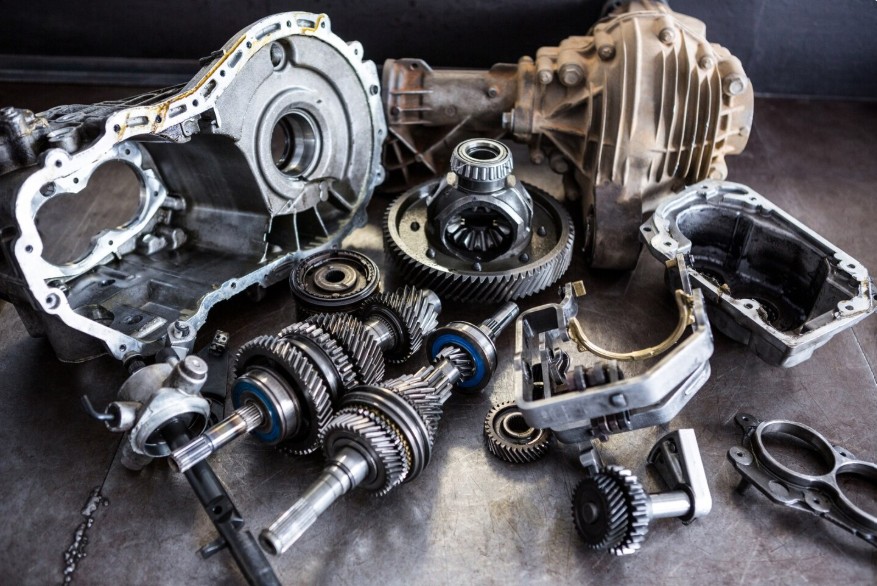
Used auto parts are items salvaged from vehicles that are no longer in use but have functioning components. These parts are highly scrutinized, tested, and often refurbished before being made available for resale. Used auto parts industries have thrived in recent years due to growing awareness of sustainability and cost efficiency.
Whether it is a fender, headlight, alternator, or transmission, the used parts are salvaged from junkyards, auto recyclers, or directly from car dismantlers. Modern recycling facilities follow strict standards to ensure the parts meet safety and performance benchmarks.
The used parts market is driven by technological advancements. Finding the exact part for your vehicle has never been easier, with online inventories, digital databases, and compatibility matching systems.
The Economic Advantage of Buying Used Auto Parts
The biggest advantage when buying used auto parts, though, is the cost savings. Brand-new components for recent cars can cost so much because manufacturing, logistics, and brand markups have to be factored into the final price. Used parts can be relatively inexpensive compared to their new counterparts while offering comparable functionality.
For example, depending on where you live, a brand-new transmission could be several thousands of rupees or dollars, while a used transmission may be available at substantially lower prices. For many owners of cars, especially those with older models, investing in used spare parts makes a lot of sense.
Besides, resale value for older vehicles does not justify the installment of expensive new parts. In its place, buying a well-tested used component allows car owners to maintain performance without overspending.
Environmental Benefits of Using Used Auto Parts
Choosing to buy used auto parts isn’t just a financial decision; it’s also an environmentally responsible one. Each time a part is reused, it helps reduce waste and conserve natural resources. Manufacturing new parts consumes raw materials, water, and energy—all of which leave a carbon footprint.
This reduces the demand for new production by reusing engines, transmissions, and alternators. Minimizing pollution in metal extraction and manufacturing processes, fewer discarded parts also end up in landfills. Used parts are therefore considered to be more ecological alternatives by environmentally concerned vehicle owners.
Another important participant in the circular economy is auto recycling facilities, which remove valuable metals, recycle fluids, and dispose of hazardous materials in an environmentally responsible way.
Why Used Transmissions Are a Smart Buy
Among car components, the transmission is always one of the most critical and expensive. It adjusts the power transmission from an engine into the wheels, allowing your vehicle to change gear seamlessly. Its breakdown may translate into overwhelming replacement costs. That’s where used transmissions come in as a smart and practical alternative.
A used transmission of high quality, provided it is sourced from a reliable supplier, can work almost as well as a new one. These are usually taken from vehicles that have been totaled due to reasons unrelated to mechanical issues, meaning the transmission remains in excellent working condition.
Used transmissions normally undergo extensive inspection and are tested before resale to ensure efficiency in their working. Many of the suppliers offer limited warranty or testing documents for added assurance.
Advantages include:
- Cost savings: A used transmission can be 40–70% cheaper than a new one.
- Quicker availability: Unlike new units, which may be ordered or face manufacturing delays, used ones are almost always available.
- Compatibility: Many used transmissions come from the same models, making sure that you’ll get the perfect fit without any modifications.
What to Check Before Buying Used Auto Parts
By following a few guidelines, you can make the most out of your decision to buy used auto parts:
- Know Your Vehicle Details: Always check for the make, model, and year of your car and its engine before buying any used part. This ensures compatibility and proper fit.
- Inspect or request testing proof: Check the part yourself, if possible, or request for performance test reports. Ask the seller whether the transmission has been pressure tested or checked for leaks if it is a used transmission.
- Ask about their warranties: Most highly regarded sellers will offer a limited warranty with used components. Even a short warranty can be a good sign that the part has been checked for quality.
- Check the mileage: On mechanical components such as transmissions or engines, knowing the mileage of the donor vehicle gives you an indication of longevity.
- Look for signs of wear: Cracks, rust, or oil leaks are warning signals. Avoid parts that show visible damage unless you plan to refurbish them.
- Return policy: Understand whether you can return or exchange the part if it doesn’t fit or serve the expected purpose.
Being informed helps prevent purchasing low-quality or incompatible parts and ensures long-term performance.
The Role of Auto Recyclers and Salvage Yards
Salvage yards and auto recyclers form the foundation for the industry of used parts. They take apart old or damaged vehicles and identify which components are still functional. The parts are then cleaned, cataloged, and resold.
Most modern salvage yards have adopted digital systems whereby customers can search parts online using VINs or part codes. This level of organization ensures transparency and accuracy in the selection of parts.
Professional dismantlers also adhere to strict environmental regulations regarding the drainage of fluids or the disposal of hazardous materials, which further contributes to eco-friendly practices in the automotive industry.
Commonly Bought Second-Hand Vehicle Parts
While used transmissions are among the most in-demand items, there are numerous other parts that are perfect candidates for reuse:
- Engines: These are usually refurbished and performance-tested.
- Alternators and starters: When pulled from low-mileage vehicles, these are reliable and long-lasting.
- Suspension components: Such as control arms and shocks, which can be reconditioned.
- Body panels and mirrors: These are ideal to replace damaged parts after any accident.
- Interior: These are costly interior parts like seats, dashboards, and switches.
This wide variety of options gives car owners the flexibility to maintain and restore their vehicles at a fraction of the usual cost.
Safety and Quality Considerations
Reliability issues make some car owners wary of purchasing used parts. However, high-quality used parts have become as reliable as new parts with advances in testing and reconditioning.
While using secondhand transmissions, or major mechanical parts for that matter, it is better to be dealing with certified or reputed sellers following industry standards. Many facilities use specialized diagnostic tools to ensure the parts meet performance expectations.
Besides, modern tracking and labeling systems allow for easy tracing of the origin of a part and confirmation of its status. This transparency nurtures trust and confidence in the market for used parts.
Conclusion: Practical, Sustainable, and Smart
Choosing to buy used auto parts and used transmissions is not just about saving money; it is a decision that comes out of practicality, sustainability, and reliability all combined. It allows you to extend the life of your vehicle, minimize environmental impact, and enjoy quality performance without the hefty costs of new replacements. By understanding how to choose, check, and maintain these parts, you can make confident choices that help both your car and your wallet. As more and more drivers understand the value of the used auto parts market, this practice continues to grow as a cornerstone in sustainable automotive ownership.