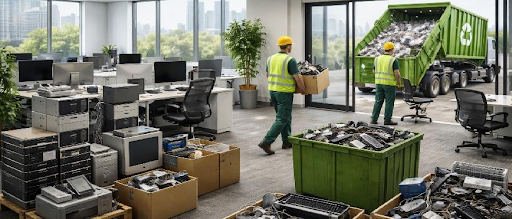
Modern businesses rely on computers, servers, printers, mobile devices, networking equipment, and electronic tools to keep operations moving. As technology changes, equipment becomes outdated, damaged, or inefficient, creating electronic waste. Leaving these items in storage or sending them to general waste facilities can waste valuable resources and create environmental and security concerns.
A planned approach to recycle electronics helps organizations manage retired equipment responsibly while supporting sustainability goals. It also connects waste management with resource conservation, data protection, and accountable business practices.
Understanding the Business E-Waste Challenge
Electronic waste includes discarded devices, components, and accessories containing reusable materials and substances that require careful handling. Computers, servers, printers, monitors, and mobile phones contribute to this growing waste stream. When businesses replace equipment without proper disposal plans, outdated devices can accumulate, occupy storage space, and become difficult to manage. Improper handling may also release harmful substances into the environment.
A structured recycling program helps organizations manage obsolete equipment through collection, sorting, reuse, material recovery, and responsible processing, reducing environmental risks while supporting sustainable business waste management practices.
Conserving Natural Resources Through Material Recovery
Electronic products contain valuable materials that can be recovered and reused in manufacturing. Metals such as copper, aluminum, and precious metals can be extracted from circuit boards, cables, and other components. Glass and certain plastics can also enter suitable recycling streams after proper sorting.
Recovering these resources reduces dependence on newly extracted raw materials, helping conserve energy, water, and natural resources. For businesses, responsible material recovery transforms discarded equipment into valuable resources, reduces unnecessary waste, and supports sustainable production practices while contributing to a more circular economy.
Reducing Landfill Waste and Environmental Harm
Landfills are not suitable destinations for every discarded electronic product. Devices may contain batteries, circuit boards, and other components that need controlled treatment. When electronic waste is mixed with ordinary rubbish, opportunities for recovery are lost and the risk of pollution can increase.
A structured recycling program diverts suitable equipment from general disposal channels. Devices are assessed, dismantled where necessary, and separated into material categories. Components that cannot be reused are directed toward further processing through appropriate facilities. This approach helps reduce waste sent to landfills and encourages a more circular use of resources.
Protecting Sensitive Business Information
Environmental responsibility is only one part of electronics disposal. Retired computers, laptops, servers, phones, and storage devices may contain customer details, employee records, financial information, passwords, or confidential business files. Deleting visible files or resetting a device does not always ensure that stored information is permanently unrecoverable.
Before equipment is reused, resold, donated, or dismantled, organizations should identify data-bearing assets and select an appropriate sanitization or destruction method. Depending on the device and its intended next use, this may involve verified data wiping, degaussing for compatible magnetic media, or physical shredding. A documented chain of custody helps track devices throughout the process.
Building a Practical Workplace Recycling Program
An effective workplace recycling program begins with maintaining an inventory of outdated computers, laptops, printers, servers, and other electronic devices. Businesses should record equipment quantities, locations, and conditions to simplify collection and disposal. Establish clear procedures so employees know how to handle retired electronics and where to store them safely.
Separate data-bearing devices from general equipment and choose a qualified recycling provider with secure collection, transportation, data destruction, and material recovery processes. Regular collection schedules and proper documentation help organizations maintain accountability, reduce waste accumulation, and support long-term sustainability goals.
Why Documentation and Accountability Matter
Business waste management should be measurable rather than informal. Collection records, asset inventories, recycling certificates, and destruction certificates provide evidence of how retired equipment was handled. They can support internal audits, procurement reviews, sustainability reporting, and responses to stakeholder questions.
Businesses should review a provider’s credentials, operating procedures, and downstream handling arrangements instead of relying on broad environmental claims. A transparent process gives decision-makers greater confidence that equipment is managed responsibly from pickup through final processing.
Supporting Circular Economy Goals
A circular economy aims to keep products and materials in use for as long as practical, rather than following a simple purchase, use, and disposal pattern. Electronics programs can contribute by prioritizing repair, refurbishment, redeployment, and donation when equipment is safe and suitable for another user.
Extending a device’s useful life can delay the need for replacement and reduce demand for new resources. When reuse is not practical, dismantling and material recovery provide another route for keeping valuable components in circulation. Businesses should apply data protection and quality checks before any equipment is transferred for another use.
The Value of Local Recycling Expertise
Organizations in the UAE should consider providers familiar with local collection requirements, environmental expectations, and business operating needs. Professional electronics recycling in Dubai can help companies coordinate equipment pickup, secure data handling, sorting, material recovery, and supporting documentation through an organized service.
A suitable provider should explain which devices it accepts, how sensitive storage media are treated, and how reusable and non-reusable materials are processed. Businesses should also confirm whether certificates or inventory reports are available after service completion. Clear communication before collection helps avoid confusion about asset ownership, access, and preparation.
Conclusion
Sustainable business waste management requires more than removing unwanted equipment from the workplace. It involves protecting information, recovering useful materials, reducing avoidable landfill waste, and keeping accurate records. By creating a consistent process for assessment, collection, secure handling, and recovery, organizations can make technology replacement more responsible. Choosing to recycle electronics as part of an ongoing business strategy supports resource conservation, operational accountability, and a cleaner environment for the future.
For businesses seeking dependable electronic waste management, Planet Green Recycling offers collection, sorting, secure data destruction, material separation, and recycling documentation. Their services help organizations manage retired IT equipment responsibly, protect sensitive information, and direct recoverable materials toward appropriate processing. Contact Planet Green Recycling to discuss a practical recycling plan for your workplace across Dubai and the wider UAE today.