
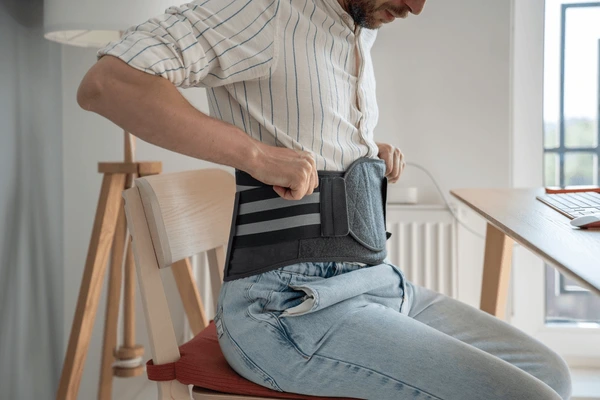
Lower back pain and discomfort have become increasingly common due to sedentary lifestyles, long hours of sitting, and physically demanding activities. Many individuals seek solutions that provide support, alleviate pain, and promote proper posture. Among the options available, a neoprene back brace is a popular choice due to its combination of flexibility, stability, and comfort. However, not all back braces are created equal. Understanding the key design features of an effective neoprene back brace can help users choose a product that delivers maximum benefits.
A Neoprene Back Brace is designed to provide support and compression to the lumbar region while allowing natural movement. Its construction, materials, and adjustability are critical factors that determine how well it performs in supporting the lower back, improving posture, and reducing strain during daily activities. By examining the essential design elements, users can identify braces that are both comfortable and effective.
High-Quality Neoprene Material
The foundation of an effective back brace is the material used in its construction. Neoprene is widely preferred because of its elasticity, durability, and heat-retaining properties. A high-quality neoprene back brace should be flexible enough to allow natural movement while providing firm support to the lower back muscles.
Neoprene’s ability to retain warmth is another important feature. By keeping muscles warm, it promotes circulation and helps reduce stiffness, tension, and discomfort. This is particularly beneficial for individuals who spend long hours sitting or standing, as well as for athletes recovering from minor strains.
Durable neoprene also ensures that the brace maintains its shape and effectiveness over time. A poorly constructed brace may lose compression or develop weak points, reducing its ability to provide reliable support.
Adjustable Compression for Customized Support
One of the most important features of a neoprene back brace is adjustable compression. Every user has different support needs depending on body type, activity level, and severity of discomfort. Braces with adjustable straps or Velcro closures allow users to control the tightness and level of support.
Proper compression stabilizes the lumbar muscles and reduces excessive movement, which in turn minimizes strain and fatigue. Adjustable braces are also versatile, making them suitable for various activities, such as sitting at a desk, performing physical work, or exercising.
The ability to fine-tune compression is critical for comfort. Overly tight braces can restrict blood flow and limit mobility, while loose braces may fail to provide the necessary support.
Ergonomic and Anatomical Design
An effective neoprene back brace should have an ergonomic design that conforms to the natural curves of the spine. The brace should target the lumbar region, which is the area most prone to strain and discomfort. Anatomically designed braces distribute pressure evenly across the lower back, reducing stress on specific muscles or ligaments.
A well-shaped brace also encourages proper posture. By aligning the spine in a neutral position, it helps prevent slouching and supports long-term spinal health. Ergonomic design ensures that users can wear the brace comfortably for extended periods, whether at work, during exercise, or performing daily tasks.
Reinforced Support Features
Some neoprene back braces include reinforced support elements, such as flexible stays, lumbar pads, or additional panels. These components provide extra stability to the lower back, especially during heavy lifting or strenuous physical activity.
Reinforced support helps maintain proper spinal alignment, reduces muscle strain, and prevents the brace from rolling or shifting during movement. It also provides a sense of security for users who are recovering from minor injuries or managing chronic lower back discomfort.
Breathability and Comfort
Breathability is another essential design feature that contributes to comfort during prolonged use. High-quality neoprene braces often incorporate perforations, mesh panels, or ventilated designs to allow airflow. This helps prevent excessive sweating, irritation, and discomfort, especially in warm environments or during physical activity.
Comfort is further enhanced by a lightweight design that minimizes bulkiness. Users should be able to move naturally while still feeling supported. A well-balanced combination of support, flexibility, and ventilation ensures that the brace can be worn for hours without causing fatigue or skin irritation.
Versatility for Multiple Activities
An effective neoprene back brace should be versatile enough to accommodate various daily activities. Whether sitting for extended periods, performing physical labor, or engaging in sports and fitness routines, the brace should provide consistent support without restricting movement.
Adjustable features, ergonomic design, and flexible material work together to make the brace suitable for a wide range of situations. This versatility ensures that users can rely on the brace for both preventive care and active support during recovery or exercise.
Conclusion
Choosing an effective neoprene back brace requires careful attention to its design features. High-quality neoprene material, adjustable compression, ergonomic shape, reinforced support, breathability, and versatility all contribute to a brace’s performance and comfort. By selecting a back brace that incorporates these elements, individuals can enjoy improved lower back support, reduced strain, better posture, and overall enhanced comfort during daily activities. A well-designed neoprene back brace is not just a tool for pain relief—it is an essential accessory for maintaining spinal health and supporting an active lifestyle.