Introduction to Yellow Lab Grown Diamonds
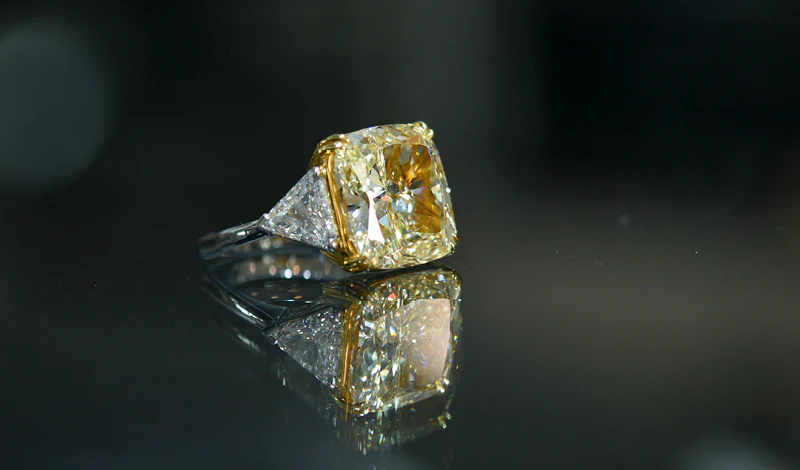
Yellow lab grown diamonds represent a remarkable fusion of scientific innovation and natural beauty. These gemstones are created in controlled laboratory environments that replicate the extreme conditions under which natural diamonds form deep within the Earth. What makes them especially distinctive is their warm yellow color, which adds a vibrant and elegant touch to modern jewelry designs. As both science and consumer preferences evolve, these diamonds have become an important part of the contemporary gemstone market.
The Science of Creating Yellow Lab Grown Diamonds
The creation of yellow lab grown diamonds is based on advanced technological processes that mimic natural geological conditions. Two primary methods are used: High Pressure High Temperature (HPHT) and Chemical Vapor Deposition (CVD). Both methods rely on carbon as the fundamental building block of diamonds, but they differ in how the crystals are formed.
In HPHT, a diamond seed is placed under extremely high pressure and temperature, simulating the natural environment found deep within the Earth’s mantle. Carbon atoms are then compressed around the seed, gradually forming a crystal structure. In the CVD process, a diamond seed is exposed to carbon-rich gases in a vacuum chamber, where carbon atoms are deposited layer by layer to form a diamond.
A key aspect of their unique color can be explored in more detail through yellow lab grown diamonds, where controlled nitrogen incorporation during growth plays a crucial role. This scientific precision allows manufacturers to produce consistent yellow hues ranging from light pastel tones to deep fancy vivid shades.
The Role of Nitrogen in Creating Yellow Color
The yellow color in these diamonds is primarily caused by the presence of nitrogen atoms within the crystal lattice. During the growth process, nitrogen is intentionally or naturally incorporated into the diamond structure. These nitrogen atoms absorb blue light from the visible spectrum, allowing yellow tones to be reflected back to the eye.
The intensity of the yellow hue depends on the concentration and distribution of nitrogen within the diamond. Lower concentrations result in faint or light yellow shades, while higher concentrations produce rich and intense golden colors. This controlled manipulation of nitrogen levels is one of the key scientific advantages of lab grown diamonds, as it allows for precise color customization.
The Intersection of Beauty and Technology
What makes yellow lab grown diamonds truly fascinating is the intersection of scientific precision and visual beauty. Unlike natural diamonds, which form unpredictably over millions of years, lab grown diamonds are created in highly controlled environments. This allows scientists and manufacturers to influence both the structural and optical properties of each stone.
The result is a gemstone that not only possesses the physical characteristics of a natural diamond but also offers enhanced control over color and clarity. The brilliance of these diamonds comes from their ability to reflect and refract light in a way that enhances their natural sparkle, while the yellow hue adds a unique visual identity.
Grading and Quality Evaluation
Yellow lab grown diamonds are evaluated using the same fundamental grading system as natural diamonds, known as the four Cs: cut, color, clarity, and carat weight. However, color plays a particularly important role in their evaluation due to their classification as fancy colored diamonds.
Color grading focuses on both hue and intensity. The presence of a pure and even yellow tone is highly desirable, while uneven coloration can reduce value. Clarity refers to the presence of internal inclusions, which are generally minimal in lab grown diamonds due to controlled production environments. Cut quality determines how well the diamond interacts with light, directly affecting its brilliance. Carat weight measures the size of the diamond, which also influences its overall value and appearance.
Advantages Over Natural Yellow Diamonds
One of the main reasons for the growing popularity of yellow lab grown diamonds is their accessibility compared to natural fancy yellow diamonds. Natural yellow diamonds are rare and often command extremely high prices. In contrast, lab grown versions offer similar visual appeal at a significantly lower cost.
In addition to affordability, lab grown diamonds offer greater consistency in color and clarity. This makes them particularly attractive for jewelry designers who require uniformity across collections. Their controlled production also eliminates concerns related to mining and environmental impact, making them a more sustainable choice.
Applications in Modern Jewelry Design
Yellow lab grown diamonds are widely used in contemporary jewelry design due to their vibrant color and versatility. They are commonly featured in engagement rings, earrings, pendants, and high-end fashion pieces. Designers often use them as center stones to create bold statements or as accent stones to enhance contrast and depth in a design.
Their warm golden tone pairs beautifully with various metals, including white gold, yellow gold, and rose gold. This adaptability allows for a wide range of design styles, from classic elegance to modern minimalism.
Market Growth and Consumer Trends
The demand for yellow lab grown diamonds has grown steadily as consumers become more aware of sustainable and affordable luxury options. Jewelry brands are increasingly incorporating these diamonds into their collections to meet changing market expectations.
As technology continues to improve, production efficiency and quality control are expected to advance further, making these diamonds even more accessible. This growth reflects a broader shift in the jewelry industry toward innovation, transparency, and environmental responsibility.
Conclusion
Yellow lab grown diamonds represent a perfect blend of scientific innovation and aesthetic beauty. Their creation process, driven by advanced technology and precise control of nitrogen, results in stunning gemstones with consistent color and exceptional brilliance. As consumer demand continues to rise, these diamonds are becoming an important part of modern jewelry design, offering a sustainable, affordable, and visually striking alternative to traditional mined diamonds.