
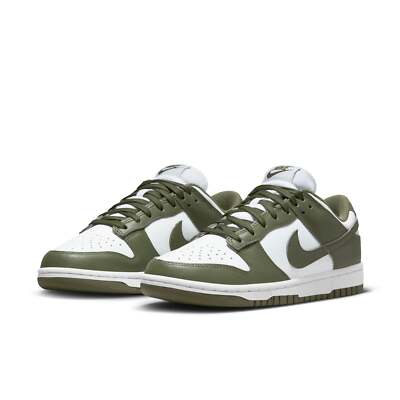
Work footwear has changed as women’s workplace needs have changed. Comfortable female work shoes now combine comfort, practical features, and professional style. Many roles involve standing, walking, commuting, or moving between different locations. Shoe design has responded with more attention to fit, cushioning, flexibility, and stability. Women can also choose styles that work with different professional outfits.
Comfort Has Become A Core Design Priority
Comfort is now an important part of everyday work footwear. A shoe may look suitable for work but still feel uncomfortable after several hours. Designers consider how footwear feels during repeated movement throughout the day.
A suitable fit can help reduce pressure around the toes and heel. Flexible materials can also allow more natural foot movement. Flats, loafers, low heels, and ankle boots can all offer a professional appearance.
Supportive Features Now Influence Shoe Design
Work shoes have also shifted towards features that create a secure and stable fit. These details can make a difference when footwear is worn throughout the day.
- Supportive Footbeds: A well-designed footbed can provide a comfortable base for everyday wear.
- Stable Soles: A stable sole can help you feel more secure while walking or standing.
- Adjustable Fastenings: Laces, buckles, and straps can help adjust the fit around your foot.
These features show how work shoe design now considers everyday use. They can also suit different workplaces and daily routines.
Materials Balance Comfort And Appearance
Materials can affect both the comfort and appearance of work shoes. Leather can offer durability and a polished look. Textile and synthetic materials are also common across different footwear styles. Breathable materials can help keep your feet comfortable during long periods of wear. Flexible materials may also allow easier movement throughout the day.
Style And Function Can Work Together
Modern work footwear does not have to look overly formal. Many styles combine practical features with designs that suit professional outfits.
- Flats: Flats are useful for women who prefer not to wear heels. They can pair with trousers, skirts, and dresses.
- Loafers: Loafers provide a polished look and suit many office outfits.
- Low Heels: Low heels can add some height without the feel of higher pumps.
- Ankle Boots: Ankle boots can work well during cooler weather. They also pair with various professional outfits.
- Neutral Colours: Black, brown, and tan can match different colours and clothing styles.
These choices make it easier to balance personal style with everyday comfort. They also allow women to choose footwear based on workplace expectations.
Work Footwear Can Suit Changing Daily Routines
A workday can involve more than sitting at a desk. You may commute, attend meetings, walk between locations, or travel for business. Your footwear should suit these changing activities.
- Daily Commuting: Choose footwear that feels comfortable during walking or public transport journeys.
- Walking Between Meetings: Flexible footwear can make movement between locations easier.
- Business Travel: For travel shoes, women need comfort and practicality for work trips.
- Different Activities: You may need footwear that works across several activities during one day.
- Work Outfits: Choose versatile styles that pair with different professional outfits.
Considering your routine can help you choose footwear that feels comfortable. It can also help you avoid buying shoes based only on appearance.
How To Choose Work Shoes For Your Routine
Choosing work footwear becomes easier when you consider how you spend your day. Look beyond appearance and think about movement, fit, and workplace requirements.
- Work Demands: Consider how much standing, walking, or sitting your role involves.
- Comfort: Look for cushioning and a fit that feels comfortable during working hours.
- Fit: Make sure the shoe feels secure without creating unnecessary pressure.
- Fastening: Choose laces or straps that allow you to adjust the fit.
- Work Style: Match your footwear with your workplace dress code and usual outfits.
When choosing comfortable female work shoes, consider both your routine and workplace needs. The right pair should feel suitable throughout the day. These factors can also help when choosing travel shoes for women may wear during business trips. A practical pair should suit the activities you expect to complete.
Conclusion
Women’s work shoe design has shifted towards a balance between function and style. Comfort, fit, stability, and suitable materials now influence everyday footwear choices. Flats, loafers, low heels, and ankle boots offer different options for professional settings. The right choice depends on your movement, workplace dress code, and personal preferences.