



CCTV Cable Connectors and Their Role in Secure Surveillance Networks
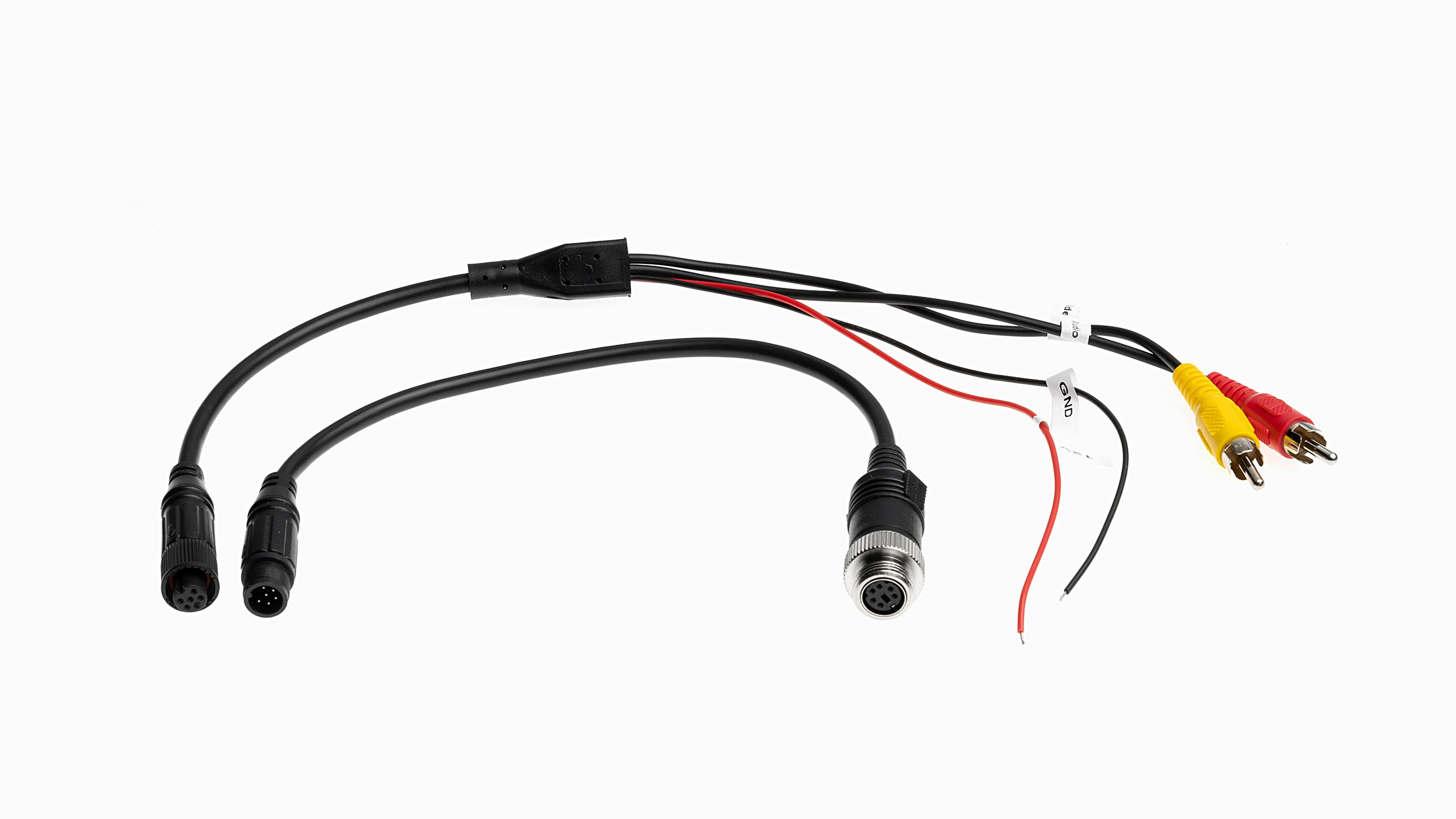
Surveillance systems are designed to provide continuous monitoring and reliable security coverage across homes, businesses, and public spaces. While cameras and recording devices are often the most visible components, the stability of the entire network depends heavily on how well each device is connected.
In modern security infrastructure, cctv cable connectors play a foundational role in ensuring secure communication between system components. They help maintain uninterrupted video transmission and stable power delivery, which are both essential for effective surveillance.
Understanding Secure Surveillance Networks
A secure surveillance network is a system where all devices communicate efficiently without signal loss or interruption. This includes cameras, DVRs or NVRs, power supplies, and transmission cables.
For such a network to function properly, every connection point must remain stable and resistant to environmental and electrical disturbances. Even a single weak connection can compromise the entire system.
Why CCTV Cable Connectors Are Essential
Cable connectors act as the physical interface between different components in a surveillance system. They ensure that video signals and power flow smoothly through the network.
Their importance includes:
- Maintaining uninterrupted communication between devices
- Preventing signal degradation over distance
- Supporting continuous power delivery
- Reducing system vulnerabilities
Without reliable connectors, even advanced surveillance systems can become unstable.
How Connectors Support Network Security
Although connectors are physical components, they directly impact the security and reliability of surveillance networks.
Preventing Signal Disruption
Secure connectors reduce the risk of accidental disconnection or signal interruption, ensuring continuous monitoring.
Supporting Stable Data Transmission
In both analog and digital systems, connectors help maintain consistent data flow between cameras and recording devices.
Reducing Vulnerability Points
Weak or loose connections can become failure points in a surveillance network. Strong connectors help eliminate these risks.
Types of CCTV Cable Connectors in Surveillance Networks
Different connectors are used depending on the system design and technology involved.
BNC Connectors
BNC connectors are widely used in analog and HD-over-coax systems. Their locking mechanism provides a secure and stable video connection.
They are commonly used in:
- Analog CCTV networks
- HD-TVI and HD-CVI systems
- AHD surveillance setups
RJ45 Connectors
RJ45 connectors are used in IP-based surveillance systems. They support both data transmission and Power over Ethernet (PoE), allowing a single cable to handle multiple functions.
DC Power Connectors
These connectors supply electrical power to cameras, ensuring uninterrupted operation of surveillance devices.
Coaxial Connectors
Coaxial connectors are used in systems that require long-distance analog or HD video transmission with minimal signal loss.
Role of Connectors in Network Stability
A stable surveillance network depends on consistent connectivity across all devices. Connectors ensure this stability by maintaining strong physical and electrical links.
Maintaining Continuous Monitoring
Secure connectors help ensure that cameras remain online and operational at all times.
Supporting System Expansion
As surveillance networks grow, connectors allow new devices to be added without disrupting existing connections.
Enhancing Signal Integrity
Properly designed connectors reduce noise and interference, helping maintain clear video quality.
Security Risks Caused by Poor Connectors
Low-quality or improperly installed connectors can create vulnerabilities in surveillance networks.
Signal Loss and Gaps
Loose connections may cause temporary or permanent video loss, creating blind spots in security coverage.
Power Instability
Poor power connectors can lead to camera shutdowns or system resets.
Data Interruption in IP Systems
In digital networks, weak connectors can cause packet loss or unstable video streaming.
Best Practices for Secure CCTV Network Connections
To maintain a secure and stable surveillance system, proper connector usage is essential.
Use High-Quality Components
Reliable connectors reduce the risk of failure and improve long-term performance.
Ensure Proper Installation
All connectors should be securely attached and tested before system deployment.
Protect Outdoor Connections
Weatherproof housings and protective enclosures help prevent environmental damage.
Regular System Inspection
Routine checks help identify worn or loose connectors before they cause system failures.
Importance of Connectors in System Scalability
As surveillance needs grow, systems often expand to include additional cameras and storage devices.
Connectors make this possible by:
- Allowing easy integration of new devices
- Supporting hybrid system configurations
- Reducing installation complexity
- Maintaining network consistency
This flexibility is essential for modern security infrastructure.
Conclusion
CCTV cable connectors play a critical role in maintaining secure and reliable surveillance networks. They ensure stable communication between devices, support continuous monitoring, and reduce the risk of system failure.
By using high-quality connectors and following proper installation practices, surveillance systems can achieve stronger performance, improved stability, and enhanced security coverage across all environments.