
Businesses today operate in an increasingly connected digital landscape where customers expect seamless, personalized, and consistent interactions across every touchpoint. Whether customers engage through websites, mobile applications, social media platforms, or customer support channels, organizations must deliver experiences that are fast, intuitive, and relevant. Behind these interactions lies a complex ecosystem of applications, databases, and business systems that must work together flawlessly.
This is where enterprise application integration becomes essential. Organizations can no longer afford isolated technology environments that create data silos and operational inefficiencies. At the same time, companies must continuously enhance the digital customer experience to meet rising consumer expectations and remain competitive in rapidly evolving markets.
By combining modern integration strategies with customer-centric digital initiatives, enterprises can unlock new opportunities for growth, improve operational efficiency, and build stronger relationships with customers.
The Growing Need for Connected Enterprise Systems
Digital transformation has accelerated across industries, driving businesses to adopt cloud platforms, customer relationship management tools, e-commerce systems, analytics solutions, and automation technologies. While these investments create new capabilities, they also introduce complexity.
Many organizations struggle with disconnected applications that prevent departments from sharing information effectively. Sales teams may use one platform, marketing teams another, and customer service departments an entirely different system. Without proper connectivity, valuable business data remains fragmented.
Enterprise application integration addresses this challenge by enabling seamless communication between systems, applications, and data sources. It creates a unified technology ecosystem where information flows efficiently across the organization.
Modern integration frameworks help businesses:
- Connect legacy and cloud applications.
- Synchronize customer and operational data.
- Automate workflows.
- Improve visibility across departments.
- Accelerate decision-making.
- Enhance business agility.
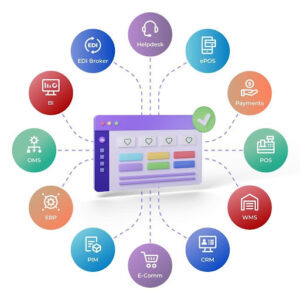
A well-integrated environment not only improves internal operations but also serves as the foundation for delivering superior customer experiences.
Why Digital Customer Experience Matters More Than Ever
Today’s customers expect frictionless interactions regardless of the channel they choose. They want personalized recommendations, quick access to information, consistent service, and responsive support.
Companies that fail to meet these expectations risk losing customers to competitors that offer more engaging experiences. As a result, improving the digital customer experience has become a strategic priority for organizations worldwide.
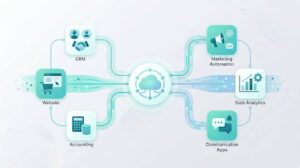
An effective customer experience strategy focuses on:
- Personalized interactions.
- Omnichannel consistency.
- Fast and intuitive interfaces.
- Data-driven engagement.
- Self-service capabilities.
- Real-time communication.
Businesses that invest in customer experience initiatives often benefit from higher customer satisfaction, stronger loyalty, and increased revenue.
How Enterprise Application Integration Enhances Digital Customer Experience
The connection between enterprise integration and customer experience is stronger than ever. Customers interact with brands through multiple channels, but they expect every interaction to feel connected.
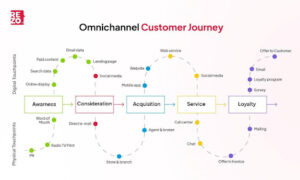
Consider an online retail business. A customer browses products on a website, adds items to a cart through a mobile app, contacts customer support, and later receives personalized recommendations by email. Delivering this journey requires seamless coordination between numerous systems.
Through effective enterprise application integration, organizations can:
Create Unified Customer Profiles
Integrated systems consolidate customer information from various sources into a single view. This enables teams to understand customer preferences, purchase history, and engagement patterns.
Deliver Personalized Experiences
When customer data flows across systems in real time, businesses can provide tailored recommendations, targeted offers, and relevant content.
Improve Operational Efficiency
Automation reduces manual processes and ensures that teams have immediate access to accurate information.
Strengthen Customer Support
Support teams can quickly resolve issues when they have visibility into customer interactions across departments.
Enable Omnichannel Engagement
Customers receive consistent experiences whether they interact through websites, mobile applications, social platforms, or physical stores.

Key Technologies Driving Modern Integration
Organizations rely on various technologies to support integration initiatives and customer experience transformation.
Cloud Platforms
Cloud computing enables businesses to scale operations, deploy applications quickly, and integrate systems efficiently.
APIs
Application Programming Interfaces (APIs) facilitate communication between platforms and services, allowing businesses to exchange information securely and in real time.
Data Analytics
Analytics platforms provide insights into customer behavior, operational performance, and business trends.
Artificial Intelligence
AI enhances customer engagement through intelligent recommendations, chatbots, predictive analytics, and automation.
Automation Tools
Workflow automation streamlines repetitive tasks and improves overall productivity.
Together, these technologies create the foundation for modern enterprise ecosystems that prioritize both operational excellence and customer satisfaction.

Industry Use Cases
Organizations across industries are leveraging integration and customer experience strategies to achieve measurable business outcomes.
Retail
Retailers connect inventory systems, e-commerce platforms, and customer data to provide personalized shopping experiences and optimize supply chains.
Financial Services
Banks and financial institutions integrate customer data, transaction systems, and digital channels to enhance security and improve customer engagement.
Healthcare
Healthcare organizations connect patient records, scheduling systems, and digital portals to improve care coordination and patient experiences.
Manufacturing
Manufacturers integrate operational systems, supply chain applications, and analytics platforms to improve efficiency and customer service.
Technology
Technology companies use integrated environments to accelerate innovation, streamline operations, and deliver superior digital products.
Best Practices for Successful Transformation
Organizations seeking to improve both integration and customer experience should adopt a strategic approach.
Key recommendations include:
- Establish clear business objectives.
- Eliminate data silos.
- Invest in scalable integration platforms.
- Prioritize customer-centric design.
- Leverage analytics for decision-making.
- Automate repetitive processes.
- Continuously optimize customer journeys.
Success depends on aligning technology investments with business goals and customer expectations.
The Road Ahead
As digital ecosystems continue to evolve, businesses must rethink how applications, data, and customer experiences connect. Organizations that embrace enterprise application integration can create agile, scalable environments capable of supporting future innovation.
At the same time, delivering an exceptional digital customer experience will remain critical to building customer trust and long-term loyalty. Companies that successfully combine these capabilities will be better positioned to adapt to changing market demands and capitalize on new opportunities.
In an increasingly digital world, integration and experience are no longer separate initiatives—they are interconnected drivers of business success. Enterprises that invest in both will gain the flexibility, intelligence, and customer insights needed to thrive in the years ahead.