A flat wall does not always need additional furniture, artwork, or architectural detailing to gain visual character. Dimensional wallpaper can create perceived depth through perspective, shading, scale, and layered imagery. The effect gives an otherwise ordinary surface greater presence while allowing the room to retain its existing layout and functional arrangement.
For residences where walls are expected to contribute more strongly to the interior concept, premium 3D wallpaper offers an opportunity to combine artwork with spatial illusion. Botanical scenery, architectural compositions, abstract forms, landscapes, and personalized imagery can transform a blank surface into a focal feature shaped around the dimensions and purpose of the room.
Understanding What Creates the Three-Dimensional Effect
Three-dimensional wallpaper relies on visual techniques rather than physical construction to establish depth. Perspective can make architectural elements appear recessed, while overlapping imagery creates foreground and background layers. Shadows, gradients, detailed textures, and differences in scale further strengthen the impression that the wall extends beyond its actual surface.
Room size influences how convincingly these effects are perceived. Large uninterrupted walls provide enough viewing distance for expansive scenes, whereas smaller surfaces may benefit from controlled imagery with fewer competing elements. Furniture placement should also remain part of the planning process because large pieces can conceal important portions of a mural.
Several elements influence the final appearance:
- Perspective and visual layering within the artwork
- Scale of imagery relative to wall dimensions
- Available viewing distance inside the room
- Placement of furniture and decorative accessories
Custom Designs Make Dimensional Walls More Personal
A ready-made mural can provide an immediate design direction, but customization gives homeowners greater control over what appears within their interiors. An image, reference, or specific idea can become the starting point for a bespoke composition developed according to the available wall dimensions and desired aesthetic.
Precise measurements are particularly valuable for customized artwork. A mural designed for a broad living room wall requires different proportions from one intended for a narrow bedroom surface. Knowing the dimensions beforehand helps position focal details where they remain visible after the wallpaper is fitted.
Architectural Imagery Creates Perceived Distance
Arches, windows, corridors, and similar architectural imagery can visually extend a surface. Perspective lines create an impression of distance, making the wall appear more layered while adding decorative structure without requiring physical architectural modifications.
Botanical Scenes Introduce Layered Detail
Leaves, flowers, branches, and landscape elements naturally support foreground and background arrangements. When distributed across different visual depths, botanical imagery can create an immersive feature suitable for living rooms, bedrooms, or other residential areas.
Abstract Artwork Brings Flexible Dimension
Abstract compositions use shapes, curves, textures, and tonal transitions rather than recognizable scenery. Their flexibility allows them to complement contemporary furnishings while still providing visual movement across a broad wall.
Children’s Murals Encourage Imaginative Themes
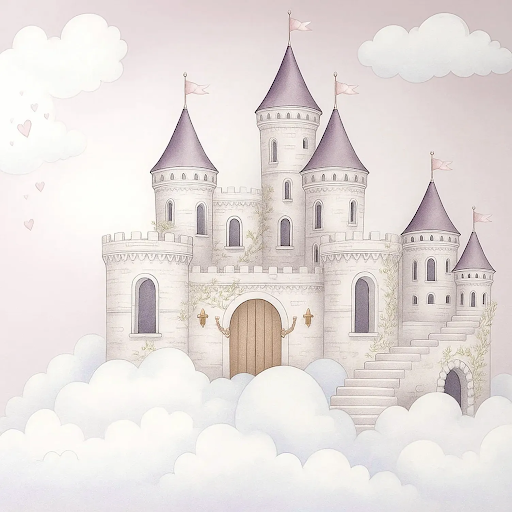
Animal scenes, underwater environments, maps, aviation imagery, and other playful concepts can turn children’s walls into storytelling surfaces. Softer palettes can support nurseries, while more animated compositions can introduce personality into playrooms and bedrooms.
Neutral Designs Keep Depth Understated
Dimensional effects do not always require intense colors. Beige, cream, muted gray, and other restrained palettes can use texture and perspective to establish depth while maintaining a quieter atmosphere suited to sophisticated residential interiors.
Personalized Imagery Creates a Unique Feature
Uploading an individual idea gives homeowners another route toward customized wall decoration. The selected concept can be developed according to specific colors, elements, textures, and measurements, resulting in artwork designed for a particular surface rather than a generic room.
Choosing the Right Wall for a Dimensional Mural
Placement can determine whether a 3D design becomes a successful focal point or simply another decorative element. Walls behind sofas, beds, dining areas, or other prominent furniture often provide natural locations because attention already moves toward these parts of the room.
Visibility should be assessed before the design is confirmed. Tall cabinets, televisions, headboards, shelving, and artwork may cover sections of the mural. Evaluating these obstructions early helps preserve the most important visual elements once the room is fully furnished.
Before selecting the wall, homeowners can assess:
- How much of the surface remains unobstructed
- Where attention naturally falls upon entering
- Whether adequate viewing distance is available
- How nearby furnishings interact with the artwork
Samples and Measurements Help Refine the Selection
Digital images provide useful inspiration, but physical samples help homeowners understand material appearance within the intended environment. Natural daylight, warm interior lighting, flooring, upholstery, and nearby finishes can all influence how colors and textures appear after placement.
A home visit can combine sample selection with accurate measurement. Instead of estimating dimensions independently, the wall can be assessed while design options are considered in the actual space. This makes it easier to connect visual preferences with practical requirements before ordering.
The evaluation process can include:
- Comparing samples under existing room lighting
- Checking colors beside upholstery and flooring
- Measuring the complete installation surface
- Reviewing the intended mural position
Why Professional Fitting Matters for 3D Designs
Alignment becomes especially important when wallpaper contains continuous artwork. A slight positioning error can interrupt architectural lines, separate botanical elements, or distort the intended depth effect. Accurate fitting allows individual sections to connect properly so the overall composition reads as one uninterrupted scene.
Wall preparation and adhesive choice contribute to the finished appearance as well. Proper positioning, careful handling, clean edges, and appropriate glue help maintain the intended surface quality. For customized designs, professional fitting also ensures that artwork created around exact measurements appears where it was originally planned.
Final Thoughts
What turns an impressive mural into a wall that genuinely feels complete? The answer lies in connecting design, accurate sizing, appropriate materials, and skilled wallpaper installation in UAE properties rather than viewing each stage separately. A dimensional concept achieves its strongest visual impact when the artwork is planned for the wall and fitted with careful attention to alignment.
For homeowners seeking a guided process, Wallchic UAE brings design selection and execution together through 3D custom designs, an upload-your-idea option, free home visits with more than 500 samples, free measurements, quotations, non-toxic glue, and professional installation. These services allow homeowners to move from inspiration to a finished feature wall through a coordinated process suited to the individual interior.