Fresno is known for its long, hot summers, with temperatures that can put significant strain on heating and cooling systems. As the weather warms up, preparing your HVAC system becomes essential for maintaining indoor comfort and preventing unexpected breakdowns. A little preparation before the hottest months arrive can improve efficiency, lower energy costs, and extend the lifespan of your equipment.
Scheduling professional HVAC Fresno maintenance before summer begins is one of the best ways to ensure your system is ready for increased demand. Combining routine inspections with simple homeowner maintenance can help your air conditioner perform reliably throughout the season.
Why Summer Preparation Is Important
Air conditioning systems often run for extended periods during Fresno’s hottest months. Without proper maintenance, this increased workload can lead to reduced efficiency and costly repairs.
Preparing your HVAC system helps:
- Improve cooling performance.
- Reduce monthly energy bills.
- Prevent unexpected breakdowns.
- Extend equipment lifespan.
- Maintain consistent indoor comfort.
Routine maintenance also allows technicians to identify small issues before they become major problems.
Replace the Air Filter
One of the simplest and most effective maintenance tasks is replacing the air filter.
A clean filter provides:
- Better airflow.
- Improved indoor air quality.
- Lower energy consumption.
- Reduced strain on the HVAC system.
Most filters should be inspected monthly and replaced every one to three months, depending on household conditions.
Clean the Outdoor Condenser Unit
The outdoor condenser plays a critical role in releasing heat from your home.
Before summer begins:
- Remove leaves and debris.
- Trim nearby shrubs and plants.
- Clean dirt from the condenser fins.
- Maintain at least two feet of open space around the unit.
Proper airflow allows the system to cool your home more efficiently.
Test Your Thermostat
Your thermostat controls when and how your HVAC system operates.
Before temperatures rise, make sure:
- Cooling mode is selected.
- Temperature readings are accurate.
- Batteries are replaced if needed.
- Programmable schedules are updated.
A properly functioning thermostat improves both comfort and energy efficiency.
Inspect Air Vents
Blocked or closed vents can reduce airflow and create uneven temperatures throughout your home.
Walk through each room and ensure:
- Supply vents are fully open.
- Furniture is not blocking airflow.
- Dust is removed from vent covers.
Balanced airflow helps the HVAC system distribute cool air more effectively.
Schedule Professional Maintenance
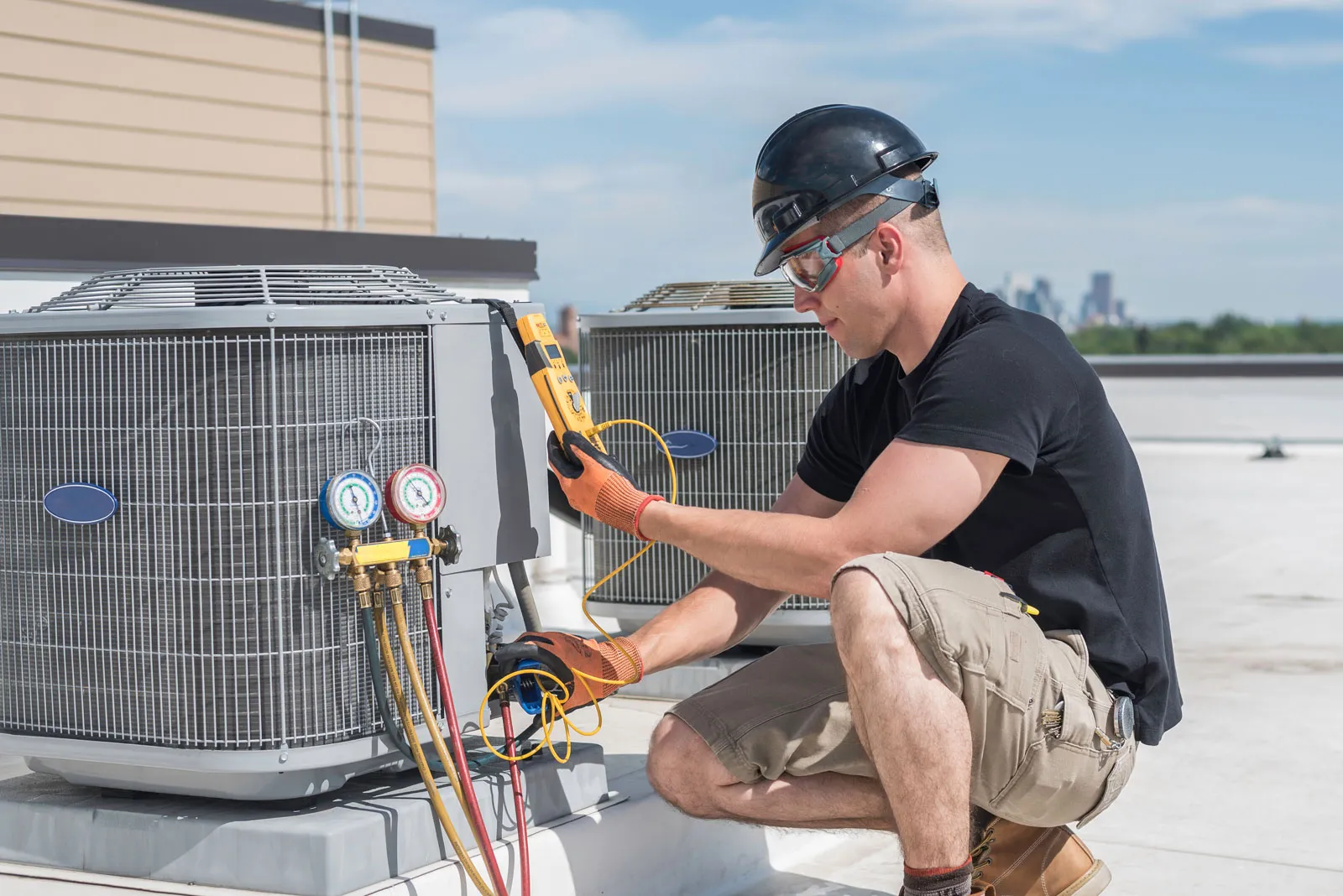
An annual inspection is one of the best ways to prepare your HVAC system for heavy summer use.
A professional technician may:
- Inspect refrigerant levels.
- Clean evaporator and condenser coils.
- Check electrical connections.
- Test system performance.
- Lubricate moving components.
- Identify worn parts before they fail.
Routine maintenance helps reduce the risk of emergency repairs during peak cooling season.
Seal Air Leaks
Air leaks around your home force the HVAC system to work harder than necessary.
Inspect areas around:
- Windows.
- Doors.
- Attic access points.
- Utility openings.
Sealing leaks helps maintain indoor temperatures while reducing energy waste.
Improve Home Insulation
Proper insulation keeps cool air inside and reduces heat entering your home.
Benefits include:
- Lower cooling costs.
- Improved comfort.
- Less strain on the HVAC system.
- More consistent indoor temperatures.
Good insulation works alongside your HVAC system to maximize efficiency.
Watch for Warning Signs
Before summer arrives, pay attention to any signs that your HVAC system may need attention.
Common warning signs include:
- Weak airflow.
- Warm air from vents.
- Unusual noises.
- Frequent cycling.
- Higher energy bills.
- Water leaks around the indoor unit.
Addressing these issues early helps prevent larger repairs later.
Use Energy-Saving Habits
Simple daily practices can reduce the workload on your HVAC system.
Helpful tips include:
- Close blinds during the hottest part of the day.
- Use ceiling fans to improve air circulation.
- Keep doors and windows closed while cooling.
- Avoid using heat-producing appliances during the afternoon.
- Set the thermostat to an efficient temperature when away from home.
These habits improve efficiency without sacrificing comfort.
Keep an Eye on Outdoor Conditions
Fresno’s dry climate can lead to dust and debris collecting around outdoor HVAC equipment.
Regularly inspect the outdoor unit for:
- Dirt buildup.
- Fallen leaves.
- Grass clippings.
- Obstructed airflow.
Keeping the area clean helps your system perform at its best throughout the summer.
Benefits of Early Preparation
Preparing your HVAC system before temperatures peak offers several long-term advantages.
These include:
- Fewer unexpected repairs.
- Lower utility bills.
- Better cooling performance.
- Improved indoor air quality.
- Extended equipment lifespan.
- Greater peace of mind during extreme heat.
Preventive maintenance is often much less expensive than emergency repairs.
Conclusion
Preparing your HVAC system for Fresno’s hot summers is one of the most effective ways to ensure reliable cooling when you need it most. Replacing air filters, cleaning the outdoor unit, sealing air leaks, and scheduling professional maintenance all contribute to improved efficiency and long-term performance.
By taking proactive steps before the summer season begins, homeowners can enjoy greater comfort, reduced energy costs, and a dependable HVAC system capable of handling Fresno’s demanding climate.