

Mini Bill Printer Benefits for Small Shops and Restaurants
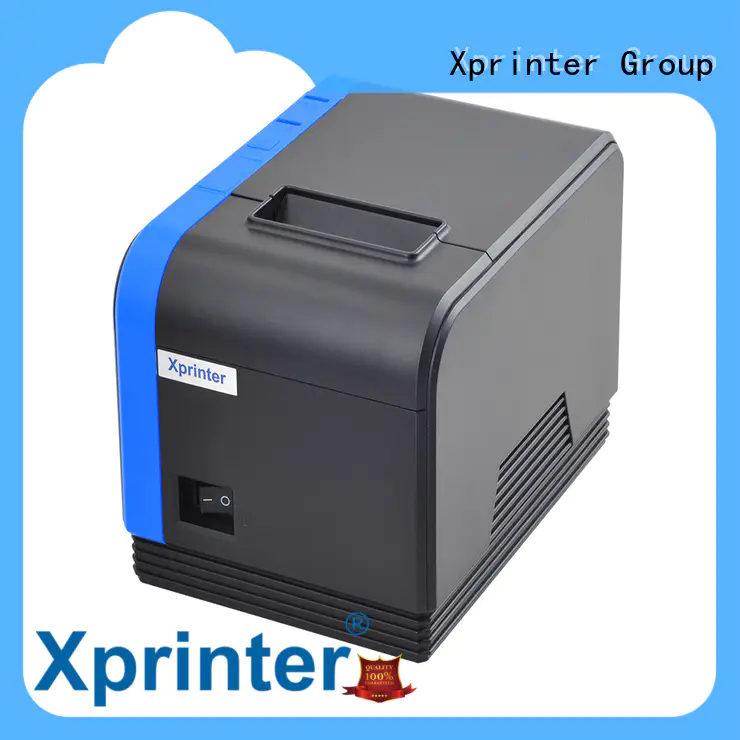
Small shops and restaurants often work with limited counter space, busy service periods, and tight operating budgets. Printing receipts and bills still needs to be quick and reliable, but large printing equipment may not always be practical for smaller businesses.
A Mini Bill Printer offers a compact way to produce receipts and transaction documents without taking up significant workspace. Depending on the model, it can also connect with mobile devices or POS systems, making it suitable for different business workflows.
Saves Valuable Counter Space
Space can be a major consideration for small shops and restaurants. A compact printer takes up less room than many traditional desktop printing devices, leaving more space for payment terminals, products, menus, or other essential equipment.
This can be especially useful for businesses operating from small counters, kiosks, food stalls, or compact service areas.
Supports Faster Transactions
Quick receipt printing can help employees complete transactions without unnecessary delays. Once a payment is processed, the printer can produce the bill or receipt for the customer.
During busy periods, even small improvements in transaction flow can help employees serve more customers efficiently.
Suitable for Restaurants and Cafés
Restaurants and cafés can use compact printers to produce customer bills and receipts at the point of service. Depending on the setup, the printer may be connected to a POS terminal, tablet, or other compatible device.
Portable models can also provide flexibility for outdoor dining areas, food trucks, temporary service points, and other locations away from a fixed counter.
Useful for Small Retail Shops
Small retailers can use compact printers for receipts and transaction records without installing a large checkout system. A suitable model can work alongside a POS terminal or mobile device to support everyday sales.
For businesses with limited floor space, the smaller footprint can make equipment placement easier.
Simple Thermal Printing
Many mini bill printers use direct thermal printing technology. This process creates printed information by applying heat to specially coated thermal paper.
Because direct thermal printing does not require ink cartridges or toner, businesses can simplify consumable management. They still need to maintain an adequate supply of compatible thermal paper.
Easy Integration With Mobile Devices
Some compact printers support Bluetooth, Wi-Fi, USB, or other connection methods. This can allow them to work with compatible smartphones, tablets, computers, and POS systems.
Before purchasing, businesses should confirm that the printer supports the operating system and software used in their existing setup.
Portable Options for Flexible Operations
A battery-powered mini printer can be useful when employees need to print away from a fixed workstation. For example, restaurant staff may need to serve customers in different areas, while small retailers may operate temporary sales points.
Portability can provide additional flexibility without requiring a printer at every location.
Lower Maintenance Requirements
Direct thermal printers generally have fewer consumable components than traditional ink-based printers. There are no ink cartridges to replace, which can simplify routine maintenance.
However, the printer still requires suitable paper and occasional cleaning. Keeping the print head and paper path clean can help maintain consistent output.
Helps Improve Customer Service
Providing a printed receipt or bill immediately can make the transaction feel more complete and organized. Employees can issue documentation as soon as the sale or service is finished.
For small businesses, this can contribute to a smoother customer experience without requiring complex printing infrastructure.
What Small Businesses Should Consider
Although compact printers offer several advantages, the right model depends on the business’s actual requirements. Consider factors such as:
- Paper size and roll capacity
- Printing speed and clarity
- Connectivity options
- POS and software compatibility
- Battery life for portable use
- Expected daily printing volume
- Ease of paper replacement and maintenance
- Availability of compatible supplies
A printer designed for occasional low-volume use may not be appropriate for a restaurant or shop that handles continuous transactions throughout the day.
Conclusion
A mini bill printer can be a practical choice for small shops and restaurants that need reliable receipt printing without sacrificing valuable workspace. Its compact size, thermal printing capabilities, and potential compatibility with mobile POS systems make it suitable for a variety of everyday applications.
Before choosing a model, businesses should compare its printing capacity, connectivity, paper requirements, durability, and compatibility with their existing systems. Selecting equipment based on actual workload can help ensure reliable performance while keeping the checkout or billing area simple and efficient.