

Hydraulic Motor Manufacturer: Testing and Quality Control Explained
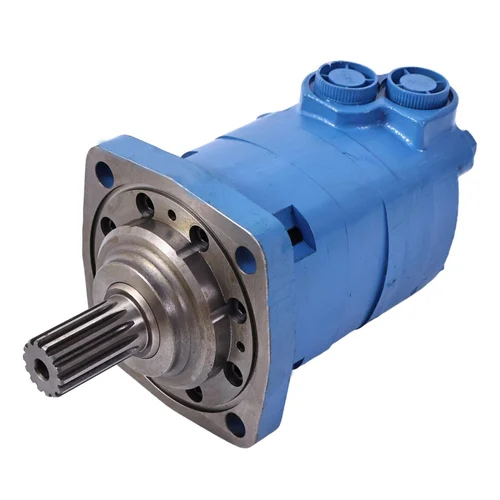
Hydraulic motors operate under pressure, load, and continuous mechanical stress, so consistent quality is essential for dependable industrial performance. Proper testing helps identify manufacturing defects, verify operating characteristics, and confirm that motors meet defined specifications before delivery.
A hydraulic motor manufacturer typically uses multiple quality-control stages throughout production rather than relying on a single final inspection. These stages can cover incoming materials, component dimensions, assembly accuracy, pressure resistance, leakage, and overall motor performance.
Why Testing Matters for Hydraulic Motors
Hydraulic motors are often installed in equipment where unexpected failure can cause costly downtime. Testing provides an opportunity to detect potential problems before the motor enters service.
A well-designed testing program can help verify that a motor operates within its specified pressure, speed, torque, and efficiency ranges. It can also reveal issues that may not be visible during a basic visual inspection.
Quality Control Starts With Raw Materials
Quality control can begin before motor components are manufactured. Materials used for housings, shafts, gears, pistons, bearings, and other parts should meet the required specifications.
Manufacturers may inspect material dimensions, composition, hardness, surface condition, or other characteristics depending on the component and application.
Controlling incoming materials helps create a consistent foundation for subsequent machining and assembly processes.
Precision Dimensional Inspection
Hydraulic motor components often require controlled dimensions and clearances. Small deviations can affect leakage, friction, alignment, efficiency, and service life.
During production, manufacturers may use precision measuring equipment to verify critical dimensions. Components that fall outside specified tolerances can be identified before they are incorporated into finished motors.
Surface and Machining Quality
The surface finish of internal components can influence friction, sealing, and wear. Poor machining or surface defects may create premature failure points.
Manufacturers can inspect machined surfaces and critical contact areas to ensure they meet the required engineering specifications.
Consistent machining also helps maintain similar performance between motors produced in different batches.
Assembly Quality Control
After individual components pass inspection, proper assembly becomes another important quality stage. Parts must be positioned, aligned, fastened, and sealed according to established procedures.
Controlled assembly helps reduce problems such as misalignment, improper sealing, excessive friction, and incorrect component positioning.
Manufacturers may use standardized work instructions and inspection points to improve assembly consistency.
Pressure Testing
Pressure testing is one of the most important checks for hydraulic motors. It helps determine whether the motor can withstand specified hydraulic pressures without unacceptable leakage or other problems.
The exact test pressure and procedure depend on the motor’s design and specifications. Continuous operating pressure and maximum or peak pressure should not automatically be treated as the same rating.
Leakage Testing
Hydraulic motors must maintain hydraulic fluid within their intended passages and prevent unacceptable external leakage.
Leakage checks can help identify problems with seals, joints, housings, or internal components. Detecting these issues before shipment reduces the risk of installation problems and fluid loss in the customer’s equipment.
Torque and Speed Testing
A motor’s ability to produce the required torque and operate at the intended speed is central to its function.
Performance testing can evaluate motor behavior at specified combinations of pressure and flow. This helps confirm whether the finished motor performs consistently with its design specifications.
For variable-displacement motors, testing may also cover performance across different displacement settings.
Efficiency Testing
Efficiency testing provides information about how effectively hydraulic energy is converted into mechanical output.
Hydraulic motor performance can be affected by internal leakage, friction, temperature, and operating conditions. Measuring efficiency under defined test conditions can help manufacturers identify abnormal performance and maintain product consistency.
Noise and Vibration Checks
Excessive noise or vibration may indicate issues involving bearings, alignment, internal clearances, pressure fluctuations, or other components.
Depending on the motor type and application, manufacturers may monitor operating behavior during testing to identify unusual vibration or noise.
These checks can be particularly relevant for machinery requiring smooth and stable operation.
Endurance and Durability Testing
For demanding applications, endurance testing can provide additional information about how a motor performs over extended operating periods.
A durability test may expose the motor to repeated loads, pressure cycles, speed changes, or other conditions that represent its intended service environment.
The purpose is to identify potential wear or performance degradation that may not appear during a short functional test.
Controlling Hydraulic Test Conditions
Testing is only useful when test conditions are properly controlled. Factors such as hydraulic fluid temperature, viscosity, pressure, flow rate, and cleanliness can influence measured results.
Manufacturers therefore need consistent testing procedures and appropriately maintained equipment to make performance results meaningful and comparable.
Calibration of Testing Equipment
Measurement accuracy depends on the condition and calibration of testing instruments. Pressure gauges, flow meters, torque sensors, speed sensors, and other equipment should be maintained and calibrated according to appropriate procedures.
Reliable measurement systems help ensure that quality decisions are based on accurate data rather than inconsistent readings.
Final Inspection Before Shipment
After manufacturing and testing are complete, a final inspection can verify that the finished motor is ready for delivery.
Final checks may cover:
- Product identification
- Dimensions
- Connections and mounting features
- Surface condition
- Leakage
- Test results
- Packaging
- Required documentation
The exact inspection process varies according to the manufacturer and product specifications.
Documentation and Traceability
Good quality systems often include documentation that allows products or components to be traced through production.
Records may include inspection results, material information, production batches, test data, and product identification. Traceability can be especially useful when investigating a quality issue or supporting future replacement orders.
For industrial buyers, asking about available quality documentation can provide additional insight into a manufacturer’s production controls.
Standards and Quality Management
Manufacturers may operate according to established quality-management systems or industry standards. Such systems can provide structured procedures for production, inspection, corrective action, and continuous improvement.
However, certification should not be treated as the only measure of product quality. Buyers should also consider actual testing practices, manufacturing consistency, technical capabilities, and application experience.
Quality Control Throughout the Production Process
Effective quality control is not limited to finished-product testing. It should cover multiple stages of manufacturing.
A typical process may include:
- Incoming material inspection
- Component machining and dimensional checks
- Surface and process inspection
- Controlled assembly
- Pressure and leakage testing
- Performance verification
- Final inspection
- Documentation and shipment checks
This layered approach can reduce the likelihood that a problem will pass unnoticed from one production stage to the next.
What Industrial Buyers Should Ask
When evaluating a hydraulic motor supplier, buyers can ask for information about the manufacturer’s testing and quality-control procedures.
Useful questions include:
- Which components receive incoming inspection?
- What dimensional checks are performed?
- Are finished motors pressure tested?
- How is leakage evaluated?
- Are torque and speed verified?
- What testing conditions are used?
- How often is test equipment calibrated?
- Is product traceability available?
- Are test reports provided when required?
- How are nonconforming products handled?
Clear answers can help buyers distinguish between suppliers with comprehensive quality systems and those that rely primarily on basic final inspection.
Quality Control and Long-Term Reliability
Testing cannot eliminate every possible failure, but it can reduce manufacturing-related risks. Reliability also depends on correct motor selection, installation, hydraulic fluid cleanliness, operating conditions, and regular maintenance.
A motor that passes factory testing can still experience problems if it is operated beyond its recommended pressure or speed range.
For this reason, quality control should be viewed as one part of a broader reliability strategy.
Conclusion
Testing and quality control are fundamental to the production of dependable hydraulic motors. From material inspection and precision machining to pressure testing, performance verification, and final inspection, each stage can contribute to consistent product quality.
Industrial buyers should look beyond general claims about quality and ask manufacturers how products are inspected, tested, documented, and controlled throughout production. A transparent testing process provides a stronger basis for evaluating supplier reliability and selecting motors suited to demanding applications.