

Hydraulic Components Manufacturer: Testing and Quality Control Explained
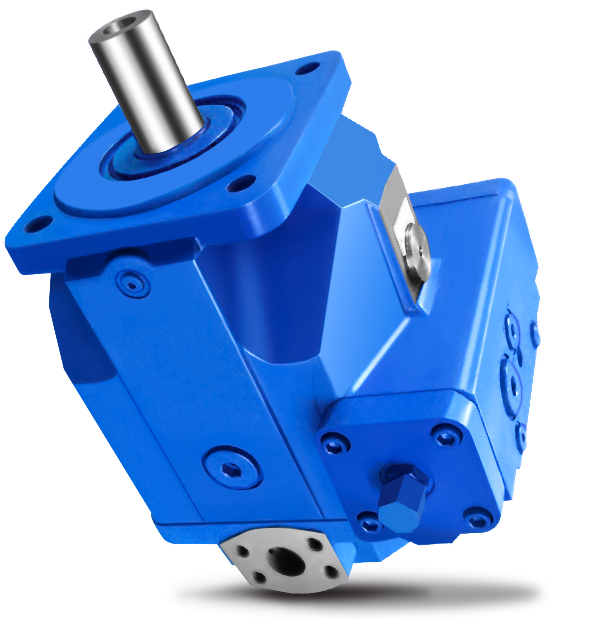
Hydraulic components operate under pressure and often experience repeated loads, vibration, friction, and temperature changes. Because a failure in one component can affect an entire hydraulic system, testing and quality control are essential parts of responsible manufacturing.
A reliable hydraulic components manufacturer uses inspection and testing procedures to verify that products meet defined technical requirements. These processes help identify manufacturing defects, confirm component performance, and maintain consistency between production batches.
Why Quality Control Matters in Hydraulic Manufacturing
Hydraulic systems depend on close coordination between pumps, valves, cylinders, hoses, fittings, and other parts. Small defects or dimensional variations can cause leakage, pressure loss, excessive wear, or reduced efficiency.
Quality control helps manufacturers detect these issues before products reach customers. It also creates consistent production standards that can be monitored and improved over time.
For buyers, a clear quality control process provides useful evidence that a supplier takes product reliability seriously.
Incoming Material Inspection
Quality control typically begins before manufacturing starts. Raw materials and purchased components can be inspected to ensure they meet specified requirements.
Depending on the product, inspections may involve checking material grades, dimensions, surface condition, hardness, or other relevant properties.
Consistent material quality is particularly important for components that must withstand high pressure or repeated mechanical loads.
Dimensional Inspection
Hydraulic components often require precise dimensions for proper assembly and operation. Manufacturers use measuring equipment to verify critical dimensions against engineering drawings and specifications.
Dimensional checks may cover bore diameters, shaft dimensions, thread sizes, mounting points, sealing surfaces, and other critical features.
Maintaining appropriate tolerances helps ensure that components fit correctly and remain compatible with the rest of the hydraulic system.
Pressure Testing
Pressure testing is one of the most important checks for many hydraulic components. It helps determine whether a product can withstand the pressures expected during operation.
Testing requirements vary according to component type and application. Cylinders, valves, fittings, and other pressure-containing parts may undergo different procedures based on their design and specified operating limits.
Proper testing can help identify leaks, structural weaknesses, or other problems before the component is placed into service.
Leakage Testing
Hydraulic fluid leakage can reduce system efficiency and create maintenance or safety concerns. Leakage testing is therefore important for components that contain or control pressurized fluid.
Testing may focus on seals, joints, ports, valves, cylinder assemblies, and other potential leakage points.
A component that passes dimensional inspection may still require leakage testing because sealing performance depends on factors beyond basic measurements.
Surface and Visual Inspection
Visual inspection is a straightforward but useful quality control method. Inspectors may examine components for scratches, cracks, corrosion, machining defects, surface damage, or other visible problems.
Surface quality is especially important for components that interact with seals or moving parts. An unsuitable surface finish can contribute to premature wear or leakage.
Visual inspection is generally used alongside, rather than instead of, more technical testing methods.
Hardness and Material Testing
Certain hydraulic components require specific material properties to withstand wear and mechanical stress. Hardness testing can help verify whether a heat-treated or specially processed part has reached the required condition.
Material testing may also be used when the application demands particular mechanical or chemical characteristics.
These checks are especially relevant for components that experience repeated loading, friction, or high-pressure operation.
Functional Testing
Some hydraulic products need to be tested under conditions that simulate actual operation. Functional testing can confirm whether moving parts, control mechanisms, or complete assemblies behave as intended.
For example, a hydraulic valve may be tested for proper flow control, while a cylinder may be evaluated for smooth movement and leakage performance.
Functional tests provide information that dimensional checks alone cannot provide.
In-Process Quality Control
Quality should not be checked only after a component has been completely manufactured. In-process inspections can identify problems while production is still underway.
Manufacturers may inspect components at key stages such as machining, welding, heat treatment, assembly, and surface finishing.
Finding issues early can reduce material waste, prevent defective products from progressing through production, and improve overall manufacturing consistency.
Final Inspection
Before shipment, finished components can undergo a final inspection to confirm that they meet the required specifications.
Final checks may include:
- Product dimensions
- Appearance and surface condition
- Functional performance
- Pressure or leakage results
- Correct labeling and identification
- Packaging condition
The specific inspection requirements depend on the product and customer specifications.
Calibration of Testing Equipment
Reliable test results depend on reliable measuring and testing equipment. Instruments such as pressure gauges, dimensional measuring devices, and hardness testers should be maintained and calibrated according to appropriate procedures.
Calibration helps ensure that measurements remain accurate and traceable.
Without properly maintained equipment, even a well-designed inspection process may produce unreliable results.
Documentation and Traceability
Quality control becomes more effective when inspection and testing results are documented. Records can help manufacturers track production batches, material information, inspection results, and corrective actions.
Traceability is particularly useful when investigating product issues or identifying affected batches.
Clear documentation also allows customers to better understand the specifications and quality requirements associated with their components.
Handling Nonconforming Products
A strong quality system needs a defined process for products that do not meet specifications. Nonconforming components should be identified and separated so they are not accidentally shipped.
Manufacturers may then determine whether the product can be reworked, repaired, tested again, or rejected.
Analyzing recurring defects can also help identify weaknesses in production processes and prevent similar problems in future batches.
Balancing Testing With Application Requirements
Not every hydraulic component requires the same testing program. The appropriate methods should be based on product design, operating conditions, industry requirements, and customer specifications.
Overly limited testing may fail to identify important defects, while unnecessary testing can increase production time and cost without providing meaningful additional information.
Effective quality control therefore focuses on tests that are relevant to the component’s actual performance requirements.
What Buyers Should Ask Manufacturers
Businesses evaluating a hydraulic component supplier can ask several practical questions about quality control:
- What inspections are performed during production?
- Which products undergo pressure or leakage testing?
- How are raw materials verified?
- How are critical dimensions controlled?
- Are testing instruments calibrated?
- How are defective products handled?
- Can relevant inspection or test records be provided?
Clear answers to these questions can help buyers compare suppliers based on measurable quality practices rather than marketing claims alone.
Conclusion
Testing and quality control are fundamental to the production of dependable hydraulic components. Material inspection, dimensional checks, pressure testing, leakage testing, functional evaluation, and final inspection each address different aspects of product performance.
A well-structured quality system combines these methods with controlled manufacturing processes, calibrated equipment, accurate documentation, and effective handling of nonconforming products. For buyers, understanding these practices can make it easier to evaluate suppliers and select hydraulic components that meet the demands of their applications.