
Buying Handmade From Another Country: What Should You Check First?
There’s a particular kind of hesitation that comes with buying handmade goods from a country you’ve never visited, from artisans you’ll never meet in person. You’re not just buying a product. You’re trusting a photograph, a description, and a supplier’s word that what arrives will match what you saw online. For retailers and boutique owners sourcing felt products wholesale, that trust gap matters even more, because a single bad batch doesn’t just cost money, it costs shelf space, customer confidence, and time you don’t get back.
The good news is that this hesitation is manageable. Most of the risk in cross-border handmade sourcing comes down to a handful of questions buyers either ask upfront or learn to ask the hard way. Here’s what actually matters before you commit to an order.
Start With the Material, Not Just the Product
It’s easy to fall for a good product photo. What’s harder to verify from a screen is what the item is actually made from. This matters more with handmade goods than mass-produced ones, because material quality varies significantly by region, supplier, and even by batch. Ask specifically what raw material is used, where it’s sourced, and whether it’s natural or synthetic.
For wool-based products, for instance, the difference between genuine sheep’s wool and a wool-blend filler affects durability, feel, and how the product ages over time. A supplier who can answer this clearly and consistently, without vague marketing language, is usually one who understands their own supply chain rather than simply reselling someone else’s inventory.
Ask Who Actually Makes the Product
Handmade carries an implicit promise: that a person, not a machine, shaped what you’re buying. That promise is worth verifying. Ask whether the products come from an in-house workshop, a network of home-based artisans, or a subcontracted factory that may or may not follow the same standards from batch to batch.
This isn’t just an ethical question, though it matters for that too. It’s a practical one. Suppliers who work directly with their artisans tend to have far more consistency in quality and turnaround time than those several layers removed from actual production. If a supplier is vague about who makes their products or how, that vagueness is worth paying attention to.
Request Real Samples, Not Just Photos
No amount of professional photography tells you how something feels in hand, how tightly it’s stitched, or how it holds up after a wash. Before committing to a bulk order, request a physical sample. A reputable exporter should have no hesitation providing one, even if it comes at a small cost.
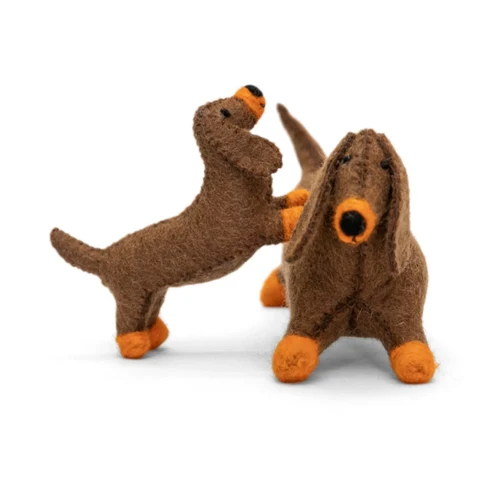
This step matters especially for detail-heavy items. If you’re evaluating handcrafted felt animal toys for your store, a sample lets you check stitching security, dye consistency, and whether small parts like eyes or embellishments are attached safely and durably, something that’s hard to judge from a listing alone, but essential if the products will be sold to families with young children.
Understand the Real Production Timeline
Handmade doesn’t scale the way factory production does. If a supplier promises a large bulk order within an unrealistically short window, that’s worth questioning rather than celebrating. Genuine handcraft production takes time, and suppliers who are upfront about realistic timelines, even when those timelines are longer than you’d like, tend to be more reliable overall.
Ask directly: how long does a batch of this size typically take, and what happens if there’s a delay? A supplier with a clear, honest answer is telling you more about their reliability than any marketing claim could.
Check for Certifications and Documentation
Depending on the product category, certain certifications can matter a great deal, particularly for items involving natural fibers, dyes, or materials that will come into contact with children or pets. Ask whether the supplier has any relevant quality or export certifications, and don’t hesitate to request documentation.
This is also where export experience becomes relevant. A supplier with a track record of shipping internationally will typically have customs paperwork, product documentation, and shipping logistics already worked out, which significantly reduces the chance of delays or unexpected costs once your order is in transit.
Clarify Shipping, Customs, and Return Policies Before You Order
Cross-border sourcing introduces variables that domestic purchasing doesn’t: customs duties, international shipping timelines, and what happens if a shipment arrives damaged or doesn’t match the agreed specifications. These details should be settled before payment, not discovered afterward.
Ask specifically who handles customs clearance, what the estimated delivery window looks like, and what recourse exists if there’s a quality issue on arrival. Suppliers who address these questions proactively, rather than deflecting them, are generally the ones worth building a long-term relationship with.
The Bottom Line
Buying handmade goods from another country doesn’t have to feel like a gamble. It requires the same due diligence any wholesale relationship demands, just applied with a bit more intention given the distance involved. Ask about materials, verify who’s actually making the product, request real samples, and get clarity on timelines and documentation before you commit. When you take these steps seriously, you’re not just protecting your order, you’re setting up a sourcing relationship that can actually last. For buyers looking to source authentic, ethically produced goods this way, selecting to buy Nepali products online through a transparent, experienced supplier is often the safest way to start.
Best Himalaya is Nepal’s leading manufacturer and exporter of handcrafted felt wool products, working directly with local artisans to ensure consistent quality and ethical production. With factory-direct pricing, proven export experience, and transparent sourcing practices, the company has become a trusted wholesale partner for international retailers and boutique owners.