
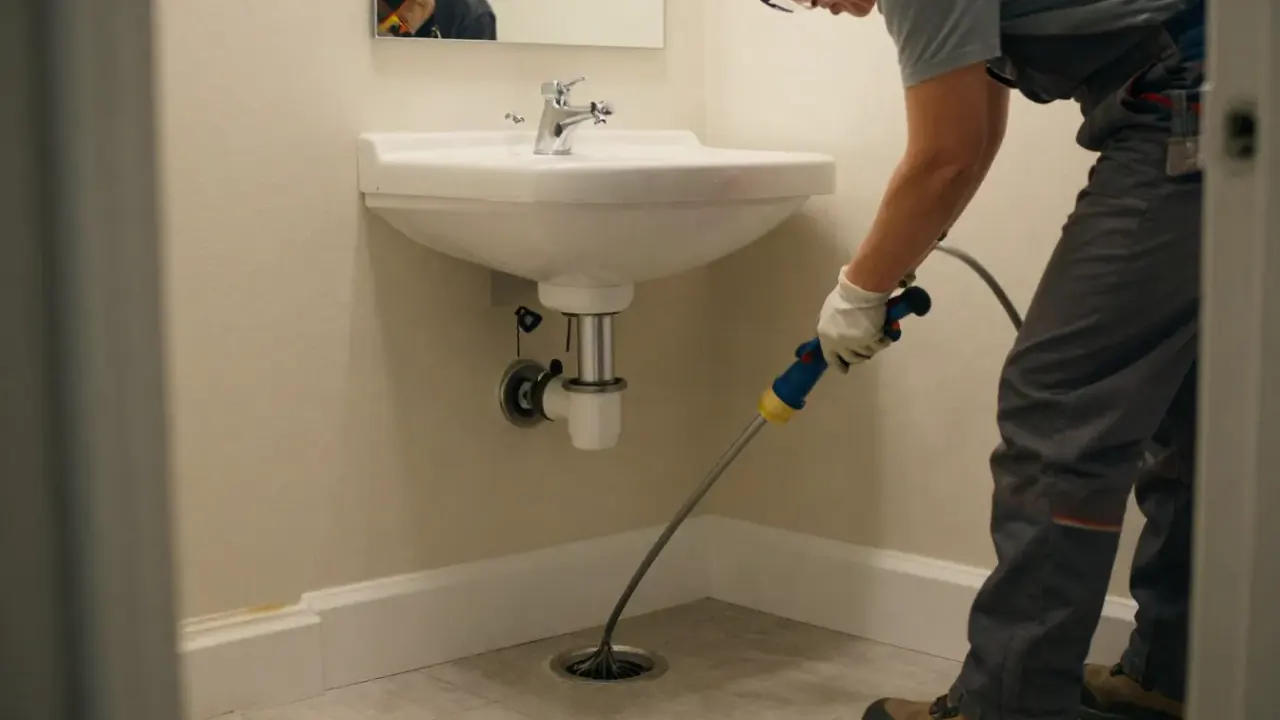
Maintaining large drainage systems requires reliable equipment capable of handling stubborn blockages and heavy accumulations of waste. Sewer pipes can collect grease, sludge, sediment, mineral deposits, and other debris that gradually restrict wastewater flow. In commercial, industrial, and municipal environments, these problems can disrupt operations and lead to expensive maintenance work if left untreated. High-pressure water cleaning offers an effective approach to removing many types of buildup and keeping suitable sewer lines in good working condition.
What Is a High Pressure Sewer Cleaner?
A high pressure sewer cleaner is a specialized machine that uses pressurized water to clear obstructions and clean the interior surfaces of drainage pipes. It typically consists of a high-pressure pump, water supply system, reinforced hose, control components, and purpose-designed cleaning nozzles.
During operation, the machine sends water through the hose and directs it into the sewer line. The nozzle produces controlled water streams that loosen accumulated deposits and help move debris through the drainage system.
For professional maintenance teams, selecting a suitable High Pressure Sewer Cleaner involves evaluating factors such as pressure, flow rate, pipe dimensions, and the type of material that needs to be removed. Matching the equipment to the application helps achieve effective cleaning while reducing the risk of damaging the pipework.
Major Advantages of High Pressure Sewer Cleaning
High-pressure sewer cleaning provides several practical benefits for professionals responsible for maintaining demanding drainage networks.
1. Effective Removal of Stubborn Blockages
Sewer lines can develop thick deposits that ordinary cleaning tools may struggle to remove. Grease, compacted sludge, sediment, and organic waste can combine to create persistent obstructions.
High-pressure water helps loosen these materials and flush them away. With suitable nozzles and operating settings, technicians can address different forms of buildup and restore wastewater movement.
2. Thorough Cleaning of Pipe Interiors
Some mechanical cleaning methods create an opening through a blockage without removing all the deposits attached to the pipe walls. Remaining material may continue collecting waste and contribute to another obstruction.
Water jetting can clean a broader section of the internal pipe surface. This helps remove accumulated residue and supports more consistent drainage performance.
3. Reduced Maintenance Downtime
Blocked sewer lines can interrupt activities in commercial buildings, factories, and public facilities. Delayed drainage maintenance may also affect sanitation and normal operations.
High-pressure cleaning equipment allows trained technicians to address many accessible obstructions through existing access points. This can reduce the need for extensive dismantling or excavation when the problem is limited to removable buildup.
4. Versatility Across Different Drainage Systems
High-pressure sewer cleaners are available in different sizes and configurations for various applications. Compact units may be suitable for smaller service jobs, while larger systems can support demanding commercial and municipal maintenance work.
With appropriate hoses and nozzle attachments, technicians can adapt cleaning methods to different pipe diameters and obstruction types.
5. Support for Preventive Maintenance
Routine sewer cleaning helps remove accumulated waste before it develops into a serious blockage. Scheduled maintenance is particularly useful in drainage networks that handle substantial wastewater volumes.
Combining cleaning with periodic inspections can also help identify recurring problem areas and determine whether a pipe requires additional attention.
6. Reduced Dependence on Chemical Drain Cleaners
High-pressure sewer cleaning primarily uses water to remove deposits. This can reduce the need for chemical drain-cleaning products in many suitable applications.
However, the wastewater and removed material must still be handled responsibly, and water jetting is not a universal replacement for every cleaning method.
How a High Pressure Sewer Cleaner Works
Understanding the cleaning process helps maintenance teams use equipment effectively and safely.
Initial Inspection
The technician first assesses the drainage system to identify the blockage and evaluate the pipe’s condition. A drain inspection camera may be used to locate accumulated material, root intrusion, cracks, or damaged joints.
This assessment helps determine whether high-pressure cleaning is appropriate.
Equipment and Nozzle Selection
The operator chooses a suitable hose and nozzle according to the pipe diameter, obstruction type, and required cleaning reach. Different nozzle designs produce different spray patterns for loosening deposits and moving debris.
Controlled Water Jetting
The pump delivers pressurized water through the hose. Water streams from the nozzle help break apart grease, sludge, sediment, and other accumulated material.
Some nozzle designs use rear-facing jets to help propel the hose through the pipe while moving loosened debris toward the access point.
Debris Removal and Flow Testing
As deposits are dislodged, water carries the material through the drainage system. Once cleaning is complete, the technician checks whether wastewater is moving freely and may perform another inspection if necessary.
Common Applications of Heavy-Duty Sewer Cleaners
High-pressure cleaning equipment is useful in environments where drainage systems experience frequent use or substantial waste accumulation.
Municipal Sewer Networks
Public sewer systems cover extensive underground areas and require regular maintenance. High-pressure machines help remove sediment, grease, and other deposits that restrict wastewater movement.
Industrial Facilities
Factories and processing facilities may have drainage lines affected by sludge, sediment, and process-related residue. Suitable high-pressure equipment can help maintain these systems according to their specific cleaning requirements.
Commercial Properties
Hotels, shopping centers, office buildings, and restaurants depend on functional drainage systems. Regular cleaning can help manage grease and other deposits that develop through daily wastewater use.
Residential Sewer Lines
High-pressure cleaning may also be used for suitable household sewer connections, particularly when recurring grease or sediment buildup affects drainage performance.
Public and Institutional Facilities
Hospitals, educational institutions, transport facilities, and other public buildings require dependable drainage maintenance to support sanitation and uninterrupted operations.
Important Factors When Selecting a High Pressure Sewer Cleaner
Choosing appropriate machinery requires consideration of the working environment and the demands of the drainage network.
Pressure and Water Flow Rate
Pressure helps loosen deposits, while water flow supports the removal of dislodged debris. Both specifications should be considered when evaluating a machine’s cleaning performance.
Pump Performance
A reliable pump is essential for maintaining consistent operating conditions. Buyers should examine construction quality, rated capacity, service requirements, and suitability for the expected workload.
Hose Length and Strength
The hose should provide sufficient reach for the pipes being serviced and withstand the machine’s operating pressure. Durable connections and compatible fittings are also important.
Nozzle Compatibility
Different cleaning tasks may require different nozzle designs. A machine with suitable accessory options gives technicians greater flexibility when dealing with grease, sediment, and other deposits.
Portability and Power Source
Equipment may be mounted on a portable frame, trailer, or service vehicle, depending on its size and intended use. Buyers should consider transport requirements, available power sources, and access to water at job sites.
Maintenance and Technical Support
Regular servicing helps maintain reliable performance. Before purchasing, consider the availability of replacement parts, technical assistance, warranty coverage, and routine maintenance requirements.
Safety Practices for High-Pressure Sewer Cleaning
High-pressure water can cause serious injuries and damage if equipment is used incorrectly. Professional operators must follow appropriate safety procedures throughout the cleaning process.
Important precautions include:
- Inspect hoses, fittings, pumps, and connections before operation.
- Wear suitable protective clothing, gloves, and eye protection.
- Follow the manufacturer’s operating instructions and pressure limits.
- Keep unauthorized personnel away from the cleaning area.
- Never direct high-pressure water toward people or animals.
- Confirm that the pipe material and condition are suitable for jetting.
- Use proper procedures when working around contaminated wastewater.
Older, cracked, or deteriorated pipes may not withstand high-pressure cleaning. A professional assessment should determine the safest method before work begins.
Conclusion
A high pressure sewer cleaner offers an effective solution for heavy-duty drain maintenance by using pressurized water to loosen and remove stubborn deposits from suitable drainage pipes. Its ability to address grease, sludge, sediment, and other accumulated material makes it valuable for residential, commercial, industrial, and municipal applications.
Selecting the right machine requires attention to pump performance, water flow, pressure settings, hose durability, and nozzle compatibility. When combined with proper inspections, trained operators, and scheduled maintenance, high-pressure sewer cleaning helps maintain clear drainage networks and reduce the likelihood of disruptive blockages.