
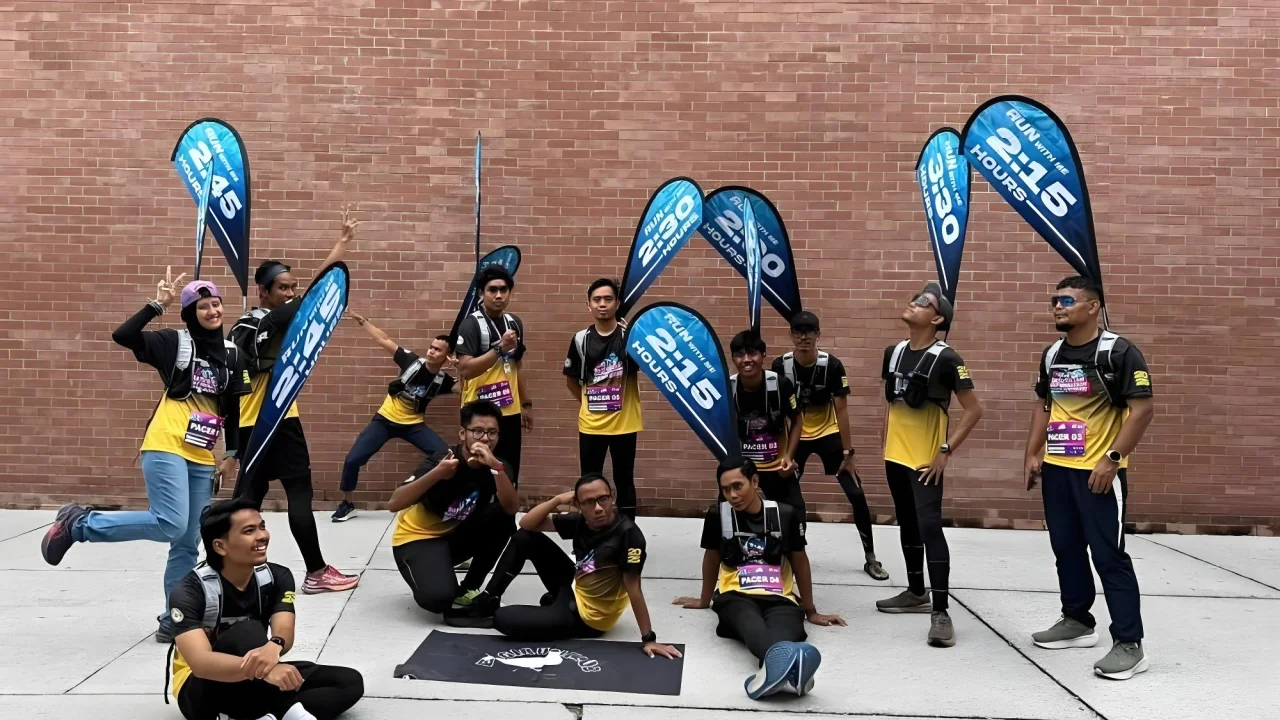
Businesses often rely on visual advertising to introduce their products, promote special offers, and make their locations easier to recognize. Whether used outside a retail store, at a trade show, or during a public event, an effective display needs to attract attention without overwhelming its surroundings. Choosing an appropriate banner shape and support system can help create a more distinctive presentation.
Convex Banners offer an alternative to traditional rectangular promotional displays. Their outward-curved profile creates a recognizable silhouette, while their vertical format provides room for logos, graphics, and concise advertising messages. These features make them a useful option for businesses seeking a display that combines visual appeal with practical functionality.
What Are Convex Banners?
Convex banners are promotional flags or fabric displays characterized by an outward-curving edge. This shape gives them a rounded appearance that differs from the inward curve of concave designs and the straight edges of conventional rectangular banners.
They are generally produced using printed fabric and a compatible pole or frame system. The supporting structure helps maintain the intended shape and keeps the advertising surface visible.
Depending on the design, convex banners can be used in outdoor commercial spaces, exhibitions, sporting events, and other promotional environments. Their size, fabric, and mounting options can vary according to the intended application.
Why Convex Banners Stand Out in Promotional Advertising
The appearance of an advertising display influences whether people notice it and recognize the message. Convex banners offer several characteristics that can help businesses create a distinctive visual presence.
A Recognizable Curved Profile
The outward-curved shape gives these banners a different appearance from standard flat-edged displays. This distinction can help a business stand out when several promotional signs are positioned close together.
A consistent curved design across multiple displays can also contribute to a recognizable brand presentation.
Effective Use of Vertical Space
Convex banners make use of vertical display space while generally requiring a relatively compact ground footprint. This can be helpful in locations where businesses need to promote their brands without taking up too much room.
They can be positioned near storefronts, exhibition booths, entrances, and event areas, provided sufficient clearance is maintained.
Opportunities for Custom Branding
The fabric surface can accommodate business names, logos, product images, campaign graphics, and short promotional messages.
This flexibility allows companies to create designs that reflect their brand identity. A banner can also be updated for different campaigns while keeping the same general display format.
Movement That Can Attract Attention
When installed outdoors, fabric banners may move with the breeze. This movement can make them more noticeable than completely stationary signs, depending on wind conditions and the surrounding environment.
The supporting pole and base should always be selected according to the flag’s specifications and intended operating conditions.
Where Can Convex Banners Be Used?
Their distinctive shape and adaptable graphics make convex banners suitable for a variety of promotional activities.
Retail Stores and Shopping Centers
Retailers can place convex banners near entrances to highlight seasonal offers, new products, store openings, or special discounts.
Their vertical layout can make a promotional message easier to notice from nearby pedestrian areas. Businesses should position displays carefully so they do not obstruct entrances or customer movement.
Trade Shows and Exhibitions
Exhibition spaces often contain many competing displays. Convex banners can help individual businesses identify their booths and create a more noticeable brand presence.
They can also complement table displays, product stands, and larger exhibition graphics without requiring extensive floor space.
Sporting Events
Sports competitions provide opportunities for businesses and sponsors to reach spectators and participants. Convex banners can display sponsor logos, team branding, event information, or promotional messages.
They may be positioned around suitable spectator areas, registration points, and event entrances, subject to venue rules and safety requirements.
Festivals and Public Gatherings
Festivals and community events often include multiple vendors, activities, and information points. Coordinated banners can help distinguish individual spaces and contribute to the event’s overall visual identity.
Organizers can also use different graphics or colors to identify particular sections of a venue.
Corporate Promotions
Businesses can use convex banners during product launches, promotional campaigns, and corporate gatherings. Their shape offers a visual alternative to standard advertising materials while providing space for brand messaging.
A coordinated arrangement can help create a consistent appearance around reception areas, presentation spaces, and product demonstration zones.
Key Factors to Consider When Choosing Convex Banners
Selecting the right banner involves evaluating the display environment and the practical requirements of the campaign. A suitable design should look professional while remaining compatible with its supporting equipment.
Banner Size and Proportions
The size should reflect the viewing distance and available installation space. A larger banner may be appropriate for an open outdoor location, while a more compact option may suit a small storefront or exhibition booth.
It is important to consider both the height and width of the printed area. The graphics should remain readable without appearing crowded.
Fabric Quality
Fabric selection influences the banner’s appearance, durability, and suitability for different conditions.
Businesses should review material strength, stitching, edge finishing, and the manufacturer’s recommendations for indoor or outdoor use. For frequent outdoor campaigns, it is also worth considering resistance to sunlight and general environmental exposure.
Pole and Frame Construction
The supporting structure helps maintain the convex shape. Its material, flexibility, and connection points should be appropriate for the banner dimensions.
Fiberglass and aluminum are commonly used in portable flag systems, although the best option depends on the product design and intended application.
Base Compatibility
A suitable base is essential for proper installation. Ground spikes may work on certain soft surfaces, while cross bases and weighted bases are commonly used on compatible hard surfaces.
Before purchasing, check that the base is designed for the specific pole system and flag size. Outdoor installations should also account for local wind conditions.
Ease of Transportation
Businesses that participate in multiple events may benefit from lightweight components and detachable parts. Compact storage options can make transportation easier and help protect the banner between uses.
Convex Banners Compared With Other Flag Shapes
Different flag profiles offer different visual characteristics. Understanding these differences can help businesses select a design that supports their marketing objectives.
- Convex banners: Feature an outward-curving profile that creates a rounded, distinctive appearance.
- Concave banners: Have an inward-curving edge and offer a different visual outline.
- Feather flags: Usually feature a tall, tapered shape with a curved outer edge.
- Teardrop flags: Have a rounded upper section and a narrower lower profile.
- Rectangular banners: Provide a traditional straight-edged layout with a broad graphic area.
The best option depends on the brand’s visual preferences, the message being displayed, and the environment where the banner will be installed.
Design Tips for More Effective Promotional Displays
A banner’s shape may help attract attention, but its design determines how clearly the advertising message is communicated.
Use a clear focal point: Make the business logo, product name, or main offer the most prominent element.
Keep text concise: Short messages are easier to read when people are passing by.
Select contrasting colors: Good contrast between the background and lettering improves visibility.
Choose readable fonts: Avoid overly decorative typography that may become difficult to recognize from a distance.
Use high-quality images: Clear graphics and product photographs help create a professional appearance.
Follow the banner outline: Position text and important graphics carefully so they fit the curved printable area without appearing distorted or crowded.
Installation and Placement Best Practices
Even an attractive banner may have limited impact if it is installed in an unsuitable location. Businesses should consider pedestrian movement, viewing angles, and surrounding structures before positioning their displays.
Useful placement areas include:
- Near shop entrances to identify the business and promote current offers.
- Beside exhibition booths to make company displays easier to locate.
- Around event registration areas to support branding and visitor guidance.
- Along suitable pedestrian routes to increase exposure.
- Near product demonstration spaces to highlight featured items.
Always follow the manufacturer’s assembly instructions and make sure the base is appropriate for the surface. Keep banners clear of emergency exits, accessible pathways, and vehicle routes.
For outdoor use, monitor changing weather conditions and remove displays when wind or other conditions exceed the equipment’s recommended limits.
Maintenance Tips to Extend Banner Life
Regular maintenance can help businesses keep promotional equipment in good condition for repeated use.
- Clean the fabric according to the manufacturer’s instructions.
- Allow the banner to dry fully before storage.
- Inspect stitching and attachment points for signs of wear.
- Check poles, connectors, and bases before each installation.
- Store components in a protective bag or case.
- Avoid leaving equipment exposed to severe weather.
- Replace damaged parts before using the display again.
These basic practices can reduce unnecessary wear and help preserve the quality of the printed graphics.
Conclusion
Convex banners provide businesses with a distinctive promotional display through their outward-curved shape, vertical layout, and customizable graphics. They can be used in retail environments, exhibitions, sporting events, festivals, and corporate promotions to support brand recognition and communicate marketing messages.
Choosing the right size, fabric, pole, and base is essential for creating a suitable display. With thoughtful design, careful placement, and regular maintenance, convex banners can become a practical addition to a business’s indoor and outdoor advertising activities.