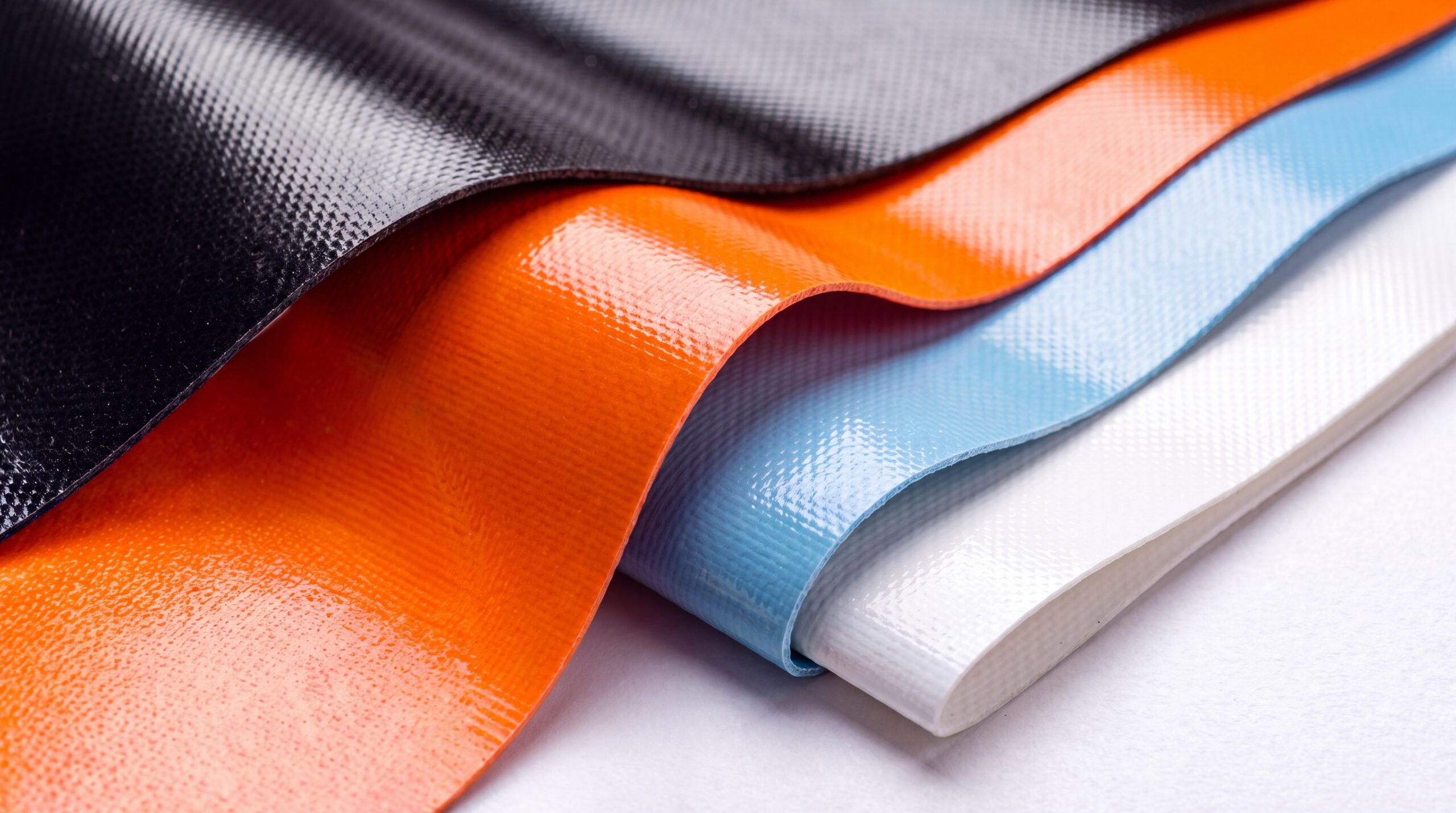
PVC tarpaulins are widely used in industries where reliable protection against water, sunlight, wind, and changing weather conditions is essential. From transportation and construction to agriculture and outdoor storage, these materials help protect valuable goods and equipment from environmental damage. However, their performance depends heavily on the quality of raw materials, manufacturing techniques, and protective treatments used during production.
Producing a durable tarpaulin requires more than simply applying a waterproof coating to fabric. Experienced PVC Tarpaulin Manufacturers follow carefully controlled production processes to improve water resistance, fabric strength, and long-term weather performance. Each manufacturing stage contributes to the final product’s ability to withstand demanding outdoor and industrial conditions.
Understanding the Structure of PVC Tarpaulin
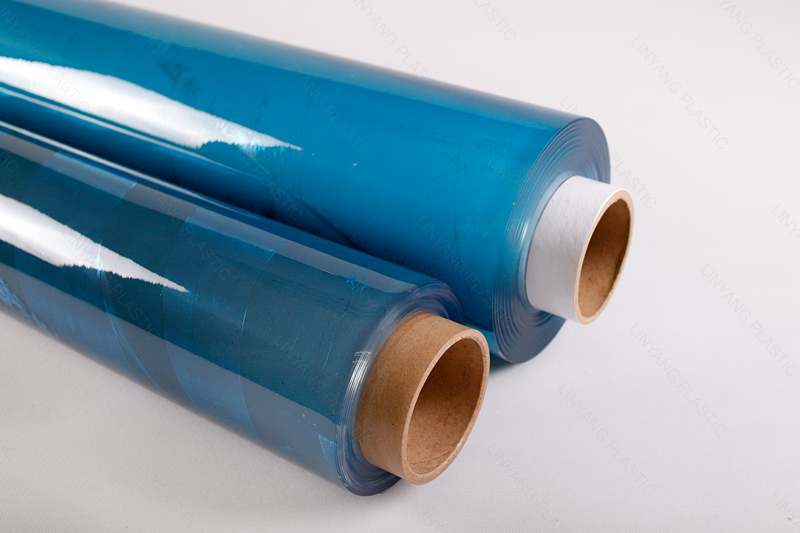
PVC tarpaulin is generally manufactured using a high-strength polyester base fabric coated or laminated with polyvinyl chloride (PVC). This combination creates a flexible yet durable material suitable for different protective applications.
The polyester fabric provides structural strength and resistance to stretching and tearing. Meanwhile, the PVC layer creates a protective barrier against moisture, dirt, and other environmental elements.
Depending on the intended application, manufacturers can adjust the fabric construction, coating thickness, surface finish, and chemical formulation to achieve specific performance characteristics.
How Manufacturers Achieve Excellent Waterproofing
Waterproofing is one of the most important requirements for PVC tarpaulins. Manufacturers use several techniques to ensure that the finished material prevents water from penetrating its surface and seams.
1. Selecting High-Quality Raw Materials
The waterproofing process begins with the selection of suitable raw materials. Manufacturers carefully evaluate polyester yarn quality, fabric density, and PVC resin formulations before production.
Consistent raw material quality helps create a uniform coating that reduces the possibility of weak spots, pinholes, and surface imperfections.
2. Applying Advanced PVC Coating
PVC coating plays a major role in preventing water penetration. During manufacturing, a controlled layer of PVC is applied to the polyester base fabric.
The coating process must maintain consistent thickness and proper adhesion across the entire surface. Uneven coating can create vulnerable areas that may reduce waterproof performance over time.
Manufacturers monitor important production parameters to maintain uniformity and ensure the finished material meets the required specifications.
3. Using Proper Heat Treatment
Heat treatment is an important part of PVC tarpaulin production. Controlled heating helps the coating material form a stable bond with the base fabric.
Temperature and processing conditions must be carefully managed to avoid coating defects, poor adhesion, or damage to the textile reinforcement.
Proper processing contributes to the overall strength and reliability of the finished product.
4. Ensuring Waterproof Seams
Even a high-quality waterproof fabric can develop leakage problems if its seams are poorly constructed.
Manufacturers use techniques such as high-frequency welding and hot-air welding to join PVC-coated materials. These processes create strong connections that help maintain waterproof protection at the joints.
Seam quality is particularly important for truck covers, storage tents, industrial curtains, and outdoor shelters.
How PVC Tarpaulins Resist Different Weather Conditions
Outdoor materials face several environmental challenges beyond rainfall. Sunlight, wind, temperature fluctuations, and humidity can gradually affect their performance.
Manufacturers incorporate different protective features to improve resistance to these conditions.
UV Resistance Against Sunlight
Continuous exposure to ultraviolet radiation can cause polymer materials to lose flexibility, fade, or deteriorate.
To reduce these effects, manufacturers may incorporate UV stabilizers and suitable protective additives into PVC formulations.
These treatments help slow down sunlight-related degradation and maintain the material’s performance during outdoor use.
Resistance to Rain and Humidity
PVC-coated fabrics are naturally suitable for moisture-resistant applications because of their protective surface layer.
A properly manufactured coating helps prevent water absorption and reduces the risk of moisture-related damage to covered goods.
Correct seam construction and regular maintenance are equally important for maintaining reliable protection.
Wind and Mechanical Stress Resistance
Strong winds can place considerable pressure on tarpaulins, especially when they are installed over large structures or used as vehicle covers.
Manufacturers improve mechanical performance through reinforced polyester fabrics, suitable fabric weights, and appropriate coating formulations.
The final product must also have sufficient tensile and tear strength to withstand the stresses associated with its intended application.
Temperature Resistance
Outdoor tarpaulins may experience significant temperature changes throughout the year.
Manufacturers can adjust PVC formulations to improve flexibility under different operating conditions. Specialized products may also be designed for environments involving unusually high or low temperatures.
Buyers should always check the recommended operating temperature range before selecting a tarpaulin.
Quality Control Measures During Manufacturing
Consistent quality control is essential for producing waterproof and weather-resistant PVC tarpaulins. Manufacturers conduct inspections and performance tests at different stages of production to identify potential defects.
Common quality assessment procedures include:
- Waterproof testing: Evaluates the material’s ability to prevent water penetration.
- Tensile strength testing: Measures the force required to stretch or break the fabric.
- Tear resistance testing: Determines how well the material withstands tearing forces.
- Coating adhesion testing: Checks the strength of the bond between the PVC layer and polyester fabric.
- UV resistance testing: Evaluates how the material responds to accelerated ultraviolet exposure.
- Seam strength testing: Assesses the durability of welded joints and connections.
These tests help manufacturers verify that products meet their technical specifications and intended performance requirements.
Different PVC Tarpaulin Types for Weather Protection
Not every application requires the same level of waterproofing or weather resistance. Manufacturers produce different varieties to address specific operational needs.
Coated PVC Tarpaulin
Coated PVC tarpaulin features a protective PVC layer applied to a reinforced textile base. It offers a combination of waterproofing, flexibility, and mechanical strength.
It is commonly used for truck covers, industrial partitions, and protective outdoor sheets.
Laminated PVC Tarpaulin
Laminated tarpaulin is produced by bonding PVC films to a reinforcing fabric. It generally provides a smooth surface and can be manufactured in different thicknesses and finishes.
Its performance depends on film quality, bonding strength, and overall construction.
UV-Resistant PVC Tarpaulin
This type contains additional protective ingredients that help minimize damage from prolonged sunlight exposure.
It is suitable for outdoor storage, agricultural coverings, and temporary structures.
Flame-Retardant PVC Tarpaulin
Flame-retardant PVC tarpaulins are developed for applications where fire performance is an important safety consideration.
They are used in selected industrial facilities, temporary shelters, and event structures. Buyers should confirm the relevant fire-testing standards before purchasing.
Major Applications of Waterproof and Weather-Resistant PVC Tarpaulins
The protective properties of PVC tarpaulins make them useful across several industries.
Transportation: Truck covers and trailer curtains protect cargo from rain, dust, and sunlight during transportation.
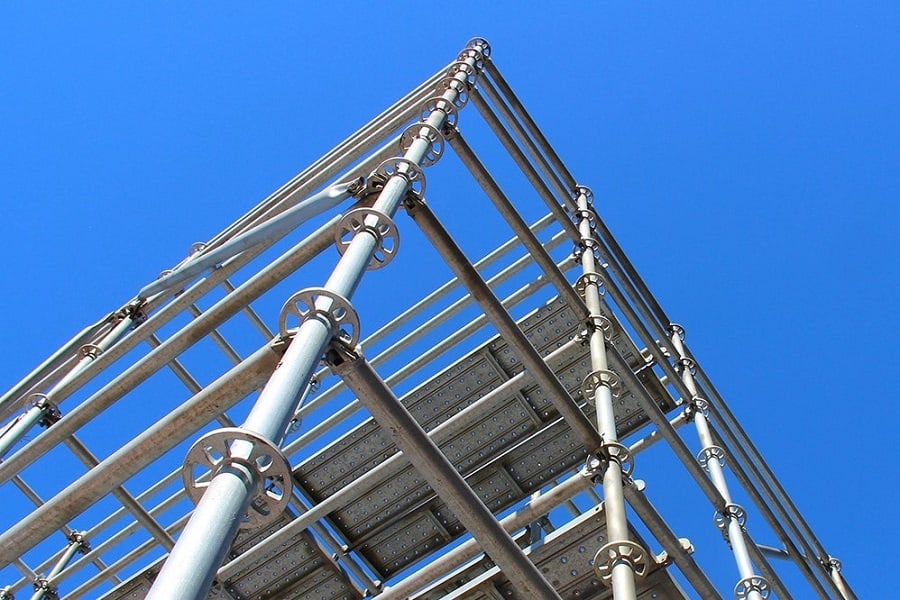
Construction: Temporary roofing, scaffolding covers, and protective sheets help shield building materials and equipment from changing weather conditions.
Agriculture: Tarpaulins are used to cover harvested crops, agricultural machinery, and storage areas.
Industrial Storage: Businesses use PVC covers to protect machinery, raw materials, and finished products from moisture and dust.
Outdoor Structures: PVC-coated fabrics are used in tents, canopies, exhibition shelters, and temporary buildings.
Each application requires suitable material specifications, particularly regarding thickness, strength, UV protection, and installation requirements.
Factors to Consider When Selecting a PVC Tarpaulin
Choosing the correct product requires evaluating both environmental conditions and intended usage.
Before purchasing, consider the following factors:
- Fabric weight and thickness: Select specifications appropriate for the expected mechanical load and application.
- Waterproof performance: Check whether the material has been tested for water resistance.
- UV protection: Consider additional UV stabilization for continuous outdoor exposure.
- Tensile and tear strength: Ensure the fabric can withstand installation and operational stresses.
- Temperature range: Confirm that the material is suitable for the expected climate.
- Manufacturing consistency: Review product specifications, test reports, and quality-control procedures.
- Maintenance requirements: Understand the recommended cleaning and storage practices.
Comparing these characteristics helps buyers identify products that offer suitable protection and dependable service life.
Maintenance Practices That Support Long-Term Performance
Even well-manufactured PVC tarpaulins require proper care to maintain their protective properties.
Regular cleaning helps remove accumulated dirt and contaminants that may affect the surface. Mild soap and water are generally suitable, provided the manufacturer’s cleaning instructions are followed.
Tarpaulins should be completely dry before storage to reduce the possibility of moisture-related problems. It is also important to avoid sharp objects, excessive pulling, and improper folding that could damage the coating or fabric.
Periodic inspections of seams, eyelets, and exposed areas can help identify minor problems before they become more serious.
Conclusion
Waterproofing and weather resistance are essential characteristics of high-quality PVC tarpaulins. Achieving these properties requires careful raw material selection, controlled coating processes, proper heat treatment, strong seam construction, and consistent quality testing.
Manufacturers also consider environmental exposure, mechanical strength, and application-specific requirements when developing different tarpaulin products.
For buyers, understanding these manufacturing processes makes it easier to evaluate product quality and select suitable materials. A well-designed PVC tarpaulin, combined with proper installation and maintenance, can provide dependable protection across transportation, construction, agriculture, and numerous industrial applications.