Modern industries rely on versatile materials that provide durability, flexibility, and reliable performance across different applications. Clear PVC film is one such material, widely used in industrial and commercial environments because of its transparency, adaptability, and protective properties. From manufacturing facilities to retail businesses, it supports a variety of practical applications where visibility and protection are equally important.
As businesses continue to seek efficient material solutions, transparent plastic films have become increasingly useful in packaging, construction, product displays, and equipment protection. Their ability to be customized according to different thicknesses and performance requirements makes them suitable for a wide range of applications.
Understanding Clear PVC Film
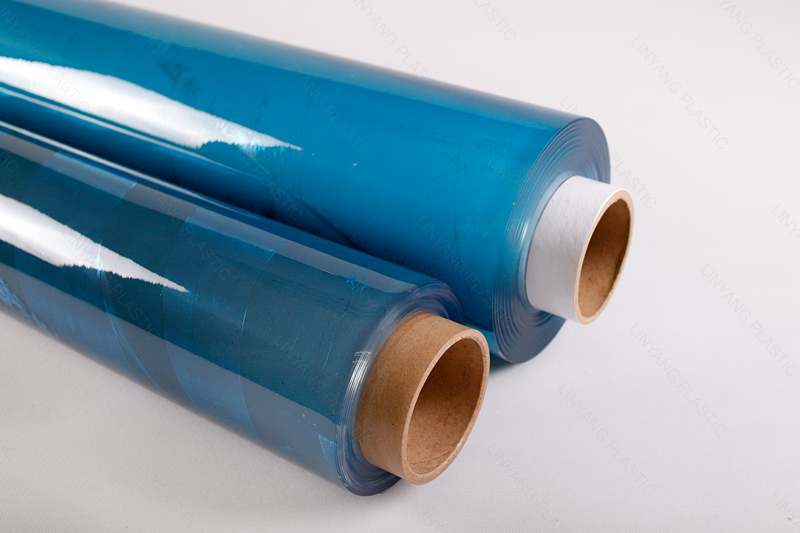
Clear PVC film is a transparent plastic material manufactured from polyvinyl chloride (PVC). It is available in different thicknesses, flexibility levels, and formulations to meet the requirements of various industries.
The material allows light to pass through while providing a physical barrier against dust, moisture, and everyday handling. Depending on its composition, it can be flexible enough for curtains and protective covers or more rigid for specialized applications.
Businesses looking for a material that combines visibility with practical protection often consider Transparent PVC Film for applications requiring clarity, flexibility, and adaptable processing characteristics.
Top Industrial Applications of Clear PVC Film
Clear PVC film serves several important functions in industrial environments. Its versatility allows manufacturers to incorporate it into different products and workplace solutions.
1. Manufacturing and Production Facilities
Manufacturing facilities often require protective barriers that separate working areas without completely blocking visibility. Clear PVC film is commonly used to create flexible partitions and industrial curtains.
These barriers can help control the movement of dust, air, and other airborne contaminants between designated areas. They also allow employees to maintain visual contact across different sections of a facility.
2. Machinery and Equipment Protection
Industrial machinery and equipment need protection from dust, dirt, and accidental surface contact. Clear PVC film can be used in selected protective covers and transparent enclosures.
Its flexibility makes it suitable for applications where equipment needs to remain visible while being shielded from everyday environmental exposure.
3. Warehouse and Storage Applications
Warehouses use different types of protective materials to organize storage areas and maintain suitable working conditions.
Clear PVC film can be incorporated into flexible door curtains, storage covers, and temporary partitions. These applications help maintain visibility while providing a physical separation between different spaces.
4. Construction and Building Projects
In the construction industry, transparent PVC film is used for temporary enclosures, protective coverings, and flexible barriers.
It can help separate construction zones, cover selected surfaces, and allow natural light into enclosed working areas. Its suitability for outdoor use depends on the specific formulation and resistance to environmental exposure.
5. Automotive and Transportation Industries
The automotive and transportation sectors use flexible transparent plastic materials in selected protective and interior applications.
Clear PVC film may be incorporated into protective covers, flexible window components, and certain vehicle-related accessories. The required grade depends on factors such as temperature exposure, flexibility, durability, and safety specifications.
Commercial Applications of Clear PVC Film
Beyond industrial environments, clear PVC film offers several advantages for businesses involved in retail, packaging, and commercial services.
1. Retail Packaging and Product Displays
Retail businesses often need packaging that protects products without hiding their appearance. Transparent PVC film provides a clear viewing surface that allows customers to examine items before purchasing them.
Common applications include:
- Stationery and office supplies packaging
- Toy and accessory packaging
- Household product covers
- Decorative product displays
- Protective sleeves for consumer goods
This approach supports product presentation while reducing direct exposure to dust and unnecessary handling.
2. Food Service and Hospitality
Restaurants, hotels, and food service businesses use transparent flexible materials in selected protective applications.
PVC film may be used for suitable partitions, flexible barriers, and certain coverings. However, materials intended for direct food contact must meet applicable food safety standards and should be specifically certified for that purpose.
3. Advertising and Promotional Displays
Commercial advertising often depends on clear and attractive visual presentation. Transparent PVC film can be used in selected display materials, printed promotional products, and protective layers.
Its compatibility with suitable printing and fabrication methods allows businesses to create customized visual displays for retail environments, exhibitions, and promotional events.
4. Office and Commercial Space Partitions
Commercial buildings frequently require flexible solutions for dividing workspaces and maintaining privacy or separation.
Clear PVC film can be used in transparent partitions and flexible curtains where visibility and easy access are important. These solutions are particularly useful in selected workshops, service areas, and commercial facilities.
5. Furniture and Surface Protection
Businesses involved in furniture manufacturing, retail, and interior design may use clear PVC film to protect surfaces from scratches, dust, and everyday wear.
It can be applied to selected table covers, furniture coverings, and protective surface layers while preserving the original appearance of the underlying material.
Key Benefits of Clear PVC Film Across Industries
The widespread use of clear PVC film is closely related to its practical material properties.
Transparency: Its clear appearance allows people to see through protective barriers and packaging without removing them.
Flexibility: Different formulations provide varying levels of softness and flexibility, making the material suitable for multiple product designs.
Moisture Resistance: PVC generally offers resistance to water and moisture, which can be useful in protective applications.
Durability: Depending on its thickness and formulation, the material can withstand routine handling and everyday wear.
Processing Versatility: It can be cut, shaped, printed, and fabricated using suitable manufacturing techniques.
Application Variety: Its availability in different specifications allows businesses to select materials according to their functional requirements.
How to Choose the Right Clear PVC Film for Industrial or Commercial Use
Selecting an appropriate film requires an understanding of the application’s technical and environmental requirements.
Consider the Required Thickness
Film thickness directly influences its strength, flexibility, and protective performance. Thin grades may be suitable for lightweight packaging, while thicker materials are often considered for protective covers and industrial barriers.
Evaluate Transparency Requirements
Some applications require high optical clarity, particularly retail packaging and transparent partitions. Others may prioritize durability or surface protection over perfect visibility.
Check Temperature and Environmental Resistance
Industrial environments can expose materials to temperature changes, sunlight, humidity, and chemicals. The selected PVC formulation should be suitable for the expected operating conditions.
Review Processing Compatibility
Manufacturers should check whether the film is compatible with their existing cutting, sealing, printing, or fabrication equipment.
Understand Industry Standards
Certain applications, particularly those involving food, healthcare, and specialized industrial processes, require materials that meet specific regulatory and safety standards.
Clear PVC Film Compared with Other Industrial Plastic Materials
Although PVC film is widely used, other transparent plastic materials may be more suitable for certain applications.
- PVC Film: Offers a combination of transparency, flexibility, and adaptable processing options.
- PET Film: Often selected for applications requiring strength, dimensional stability, and good clarity.
- Polypropylene Film: Commonly used where lightweight construction and stiffness are important.
- Polyethylene Film: Frequently used for flexible packaging and moisture-resistant protective applications.
The best material depends on the intended function, performance expectations, processing requirements, and total application cost.
Environmental Considerations and Responsible Use
Industrial and commercial businesses are increasingly evaluating the environmental impact of their material choices. PVC film can be recycled through appropriate systems, although recycling availability depends on local infrastructure, material composition, and contamination levels.
Businesses can improve material efficiency by selecting suitable thicknesses, minimizing production waste, and exploring responsible recycling or disposal options.
It is also important to consider the complete life cycle of a material, including manufacturing, transportation, service life, and end-of-life management.
Conclusion
Clear PVC film has become a useful material across industrial and commercial industries because of its transparency, flexibility, durability, and processing versatility. Its applications range from industrial curtains and machinery protection to retail packaging, commercial partitions, and promotional displays.
Choosing the right film requires careful consideration of thickness, transparency, environmental conditions, and industry-specific requirements. When selected according to its intended purpose, clear PVC film can provide a practical solution for businesses seeking effective protective and functional materials.