
Ask anyone who has worked a refinery turnaround and they’ll tell you the heat exchangers are where the clock starts to slip. Hundreds of tubes, tight deadlines and one stubborn bundle that won’t come out. With the wrong kit, a two-day job quietly becomes five.
The right heat exchanger tools won’t make the work glamorous. But they do make it faster, safer and a lot less frustrating. Here’s a plain look at what goes into a good setup.
How To Get The Bundle Out?
Before anyone can touch a tube, the bundle has to come out of its shell. On big exchangers that can weigh many tonnes. Doing it with cranes and chains alone is slow and, honestly, a bit nerve-racking.
Bundle extractors are built for this job. They grip the bundle and pull it out in a steady, controlled way. Bundle inserters do the reverse, and rollers help you turn the bundle so the crew can reach every side.
Cleaning The Tubes
Most exchanger problems start with dirt. Scale, sludge and hard deposits build up inside the tubes until heat can’t pass through properly. Tube cleaners, with the right brush or cutter head for the deposit, clear them out one by one. It’s not exciting work, but it often brings back a lot of lost performance.
Fixing Or Replacing Tubes
Sometimes cleaning isn’t enough. A tube leaks, cracks or wears too thin. Then you’ve got two choices.
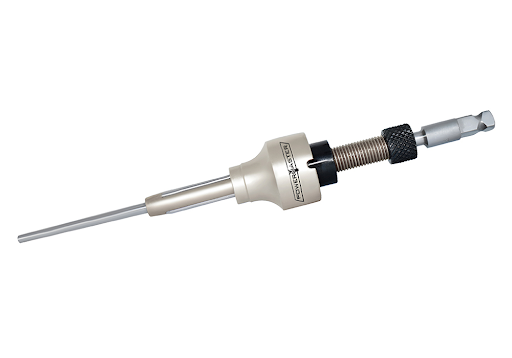
If it’s only a few, test plugs and isolation plugs let you seal off the bad tubes and keep running until the next shutdown. If the damage is wider, the old tubes come out with removal tools and new ones go in. Tube expanders then press each new tube tight against the tubesheet so it seals properly. Get the expansion wrong and you’ll be back for the same leak in a few months.
Facing and bevelling machines finish the ends so everything lines up neatly for welding or expanding.
Picking A Tube Tools Supplier
This is where a lot of plants save money in the wrong place. A cheaper tool that breaks halfway through a shutdown costs far more than it saved.
When you talk to a tube tools supplier, ask a few honest questions. Do they test their products? Can they calibrate and repair them later? Is there someone nearby who’ll actually come out when something stops working? And will they train your crew, or just ship the box?
It also helps to buy most of your kit from one place. Spares are simpler, and you’ve got one number to call when the pressure’s on.
Conclusion
Good heat exchanger work comes down to having the right tool for each step, from pulling the bundle to sealing the last tube. Spend a little time choosing heat exchanger tools that are well built and properly supported, and your next shutdown will thank you.
If you’re looking for one supplier that covers most of it, POWERMASTER is worth a call. It makes tube expanders, tube cleaners, removal and installation tools, test plugs and bundle handling equipment. It also offers installation, training, calibration and repairs, with products used in over 120 countries.