Medically Written By: Dr. Nishtha Patel, MBBS, MD in Dermatology, Medical Head & Consultant, Kosmoderma Skin, Hair, and Body Clinics
Laser skin treatment sounds simple until you read a clinic menu. Resurfacing, toning, polishing, and hair reduction all use light, yet they solve very different problems. It is no surprise that many people feel unsure about what they actually need.
A common myth is that one laser can fix everything, from scars to pigmentation to unwanted hair. In reality, each laser works at a different depth and on a different target. The wrong match wastes money, and on Indian skin it can leave dark marks.
This guide explains how the main laser skin treatment options work, which skin types each one suits, and what shapes the skin polishing treatment price.
How Laser Skin Treatment Works
A laser sends a focused beam of light of one wavelength into the skin. The light is absorbed by a target, such as the pigment (melanin) in hair and dark spots, or the water in skin tissue. The absorbed light turns into heat, and the heat does the work.
Depending on the settings, that heat can break up pigment, damage a hair follicle, or trigger controlled micro-injury (tiny, deliberate damage that prompts healing). The healing response builds new collagen (the protein that keeps skin firm and smooth). This is how resurfacing improves texture over time.
Indian skin (Fitzpatrick types III to VI) holds more melanin. That melanin also absorbs laser light, so energy that suits fair skin can cause burns or post-inflammatory hyperpigmentation, or PIH (dark marks after skin injury). This is why the device, the settings, and the operator’s skill matter so much.
Common Laser Skin Treatments Compared
Laser Resurfacing
- What it does: Fractional laser resurfacing creates thousands of microscopic columns of controlled injury and leaves the skin between them intact. This speeds healing and stimulates collagen.
- Best for: Acne scars, fine lines, rough texture, and enlarged pores.
- Types: Ablative lasers remove the outer skin layers and need more recovery time. Non-ablative lasers heat deeper layers while sparing the surface, so downtime is lower, but more sessions are needed.
- Indian skin note: Conservative settings, strict sun avoidance, and a pre-treatment skin plan help lower the risk of PIH.
Laser Toning
- What it does: Laser toning uses low-energy pulses from a Q-switched Nd: YAG or pico laser. These break pigment into fine particles that the body clears gradually.
- Best for: Uneven tone, sun spots, dullness, post-acne marks and, under careful supervision, melasma (patchy, hormone- and sun-linked pigmentation).
- Realistic expectation: Toning evens out tone. It does not change your natural skin colour, and pigment can return without sun protection.
Laser Hair Reduction
- What it does: Diode lasers, including triple-wavelength systems such as Soprano Titanium, target melanin in the hair. The heat damages the follicle, so regrowth becomes slower and finer.
- Best for: Dark, coarse hair on the underarms, legs, face, and body. White or grey hair responds poorly.
- Sessions and downtime: Hair grows in cycles, so a series is needed. The American Academy of Dermatology notes that laser hair removal sessions are commonly spaced four to six weeks apart. Redness and mild swelling usually settle within a day.
- Realistic expectation: The goal is long-term reduction, not a guarantee of permanent removal. Hormonal conditions can trigger regrowth.
| Treatment | Main goal | How it works | Typical sessions | Downtime |
| Laser resurfacing | Scars, texture, pores | Controlled micro-injury that stimulates collagen | A few sessions (ablative) or a series (non-ablative) | Several days (ablative) or minimal (non-ablative) |
| Laser toning | Pigment, dullness, uneven tone | Low-energy pulses break pigment into fine particles | A series, a few weeks apart | Mild, short-lived redness |
| Laser hair reduction | Unwanted dark hair | Light absorbed by hair pigment damages the follicle | A series, four to six weeks apart | Redness for a few hours to a day |
Skin Polishing Treatment Price: What Shapes the Cost
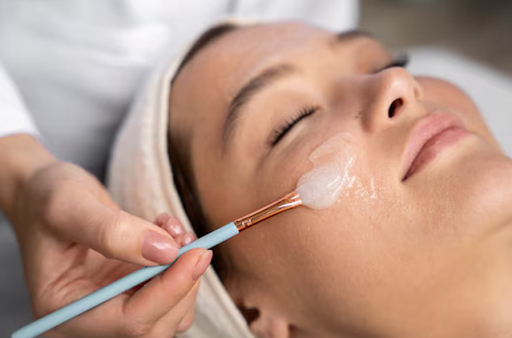
Skin polishing is a popular term, but it is not a fixed medical procedure. Clinics use it for superficial treatments that smooth and brighten the top layer, such as microdermabrasion, light peels, or a carbon laser peel. Two clinics can quote very different prices for two very different things.
Because of this, no single honest figure fits everyone. These factors usually shape the skin polishing treatment price:
- Technology used: Advanced devices and branded consumables cost more to run than basic ones.
- Treatment area: The face, neck, and body differ in time taken and product used.
- Number of sessions: Many results need a series, so check whether you are quoted per session or per package.
- Who performs it: Dermatologist-led care usually costs more than a technician-only setup, but it carries lower risk.
- Add-ons: Serums, masks and extra peels can change the final bill.
- Clinic location and setting: City, premises and aftercare support all affect pricing.
A very low quote deserves a closer look at the device, the operator, and what is included.
Questions to Ask Before You Book
- Who will treat me? A qualified dermatologist should assess your skin first.
- Which device will be used? Ask whether it is US-FDA cleared or approved for that purpose.
- What is included? Confirm the consultation, sessions, aftercare, and follow-up in writing.
- What are the risks for my skin type? A good clinic will discuss PIH openly.
- Will there be a patch test? A test spot is a sensible step for lasers and peels on Indian skin.
At Kosmoderma, for instance, a 5-step K-Discover consultation reviews your skin type, concern, and medical history before any plan is suggested, including personalised skin polishing options.
Safety, Myths and Aftercare
Who Should Wait or Avoid
- Pregnancy: Most clinics defer lasers until after delivery as a precaution.
- Active infection: Cold sores, boils, or inflamed acne need to settle first.
- Recent tan or sunburn: Treating tanned skin raises the risk of burns and dark marks.
- Keloid tendency: Tell your doctor if you scar thickly.
- Medicines: Share every medicine you take, including any that make skin sun-sensitive.
Before and After a Session
- Before: Avoid sun exposure and tanning, and follow your dermatologist’s advice on active skincare. For hair reduction, shave beforehand and avoid waxing or plucking.
- After: Apply a broad-spectrum sunscreen of SPF 30 or higher, moisturise, and do not pick at peeling skin. Avoid hot showers and saunas for a few days, and attend your follow-up.
Common Myths vs. Facts
| Myth | Fact |
| One laser can treat every skin concern. | Each laser targets a different depth and goal, so the match should come from a skin assessment. |
| Laser toning makes skin permanently fairer. | Toning evens tone and reduces pigment, but your natural colour stays, and sun can bring spots back. |
| Darker skin tones cannot have laser treatments. | They can, with suitable devices, conservative settings, and an experienced dermatologist. |
Conclusion
Laser skin treatment is not one procedure. Resurfacing renews texture, toning evens out pigment, and hair reduction targets follicles. Each needs a different device and plan, and the right choice depends on your concern, skin type, and the downtime you can accept.
Ask clear questions about the device, the operator, and the full cost before you book. A transparent quote matters as much as the technology. Consult a certified dermatologist before starting any laser skin treatment.
About the Author: Dr. Nishtha Patel, MBBS, MD in Dermatology, is a Dermatologist and the Medical Head & Consultant of Kosmoderma Skin, Hair & Body Clinics. To learn more about the clinic’s approach to pigmentation concerns, visit Kosmoderma.