Residential improvement projects often involve a wide range of groundworks, from preparing a new patio to installing drainage, extending a driveway, or creating space for a garden feature. These jobs rarely have the scale of major construction developments, but they can still require reliable excavation equipment. Access restrictions, nearby homes, existing landscaping, and occupied buildings make machinery selection particularly important.
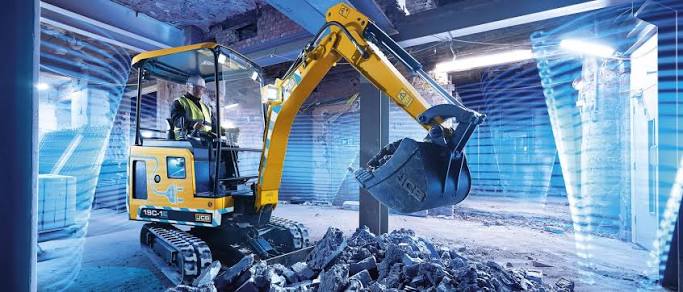
For suitable projects, an electric powered mini excavator may provide compact digging capability with the additional characteristic of producing no direct exhaust emissions during normal operation. Whether it is the right choice depends on the machine’s capacity, the property’s layout, charging access, and the type of work planned.
Understanding the Needs of a Residential Project
Residential improvement work is often carried out on properties that are already in use. The contractor may need to work around driveways, fences, garden walls, mature trees, drainage systems, and outdoor utilities. In some cases, the homeowner or neighbouring residents remain on the property throughout the project.
Before equipment is delivered, the contractor should inspect the access route and identify any restrictions. Gate width, overhead clearance, turning space, ground slope, and the condition of existing surfaces can all influence machine selection.
The excavation area should also be measured. A compact machine may fit through a narrow entrance but still require more room to rotate or position its boom than the site provides. Checking both transport dimensions and the working envelope helps prevent access problems.
Preparing Foundations and Outdoor Structures
Residential upgrades sometimes involve small foundations for garden rooms, retaining walls, steps, pergolas, or other outdoor structures. Excavation must follow the dimensions and depth specified in the project design.
A mini excavator can help remove soil and move material in a controlled way, provided its digging depth, reach, and bucket capacity are appropriate. Contractors should check the ground for buried services and establish the required excavation boundaries before starting.
Where the work is close to an existing building, careful operation becomes particularly important. The operator should understand the location of foundations, drainage connections, and any structural restrictions identified by the project team.
Improving Gardens and Outdoor Living Areas
Garden renovations may involve reshaping levels, preparing lawns, creating planting zones, and installing paths or patios. A compact excavator can assist with soil removal and preparation, reducing the amount of manual digging required for larger areas.
However, garden environments are often sensitive to machine movement. Tracks can damage lawns, compact soil, or mark paving if the route is not planned properly. Protective mats may be appropriate on selected surfaces, and the operator should avoid unnecessary travel over finished areas.
The project manager should identify where excavated soil will be placed. If spoil is stored too close to the working area, it can restrict access and increase the number of machine movements required.
Working Near Homes and Occupied Properties
Noise and local air quality can influence the way residential work is scheduled. Conventional diesel equipment produces exhaust emissions and engine noise, which may be a concern when machinery operates near open windows, gardens, or shared outdoor spaces.
An electric excavator produces no exhaust emissions at the point of operation. Its electric power system may also reduce certain sources of operating noise, although tracks, hydraulic components, and digging activity remain audible.
Contractors should review the machine’s actual noise information and follow local working-hour restrictions. They should also communicate with residents about delivery times, access arrangements, and any temporary disruption.
Managing Utilities and Existing Services
Residential properties frequently contain buried water pipes, electrical cables, drainage lines, irrigation systems, and communication services. These may not always be visible from the surface.
Before excavation, the contractor should obtain available service information and follow the required locating and marking procedures. The operator should work within the agreed excavation limits and use suitable methods where services are close to the digging area.
A compact machine can offer controlled movement, but its size does not eliminate the risk of damaging buried infrastructure. Groundworkers and operators need clear communication throughout the task.
Battery Use and Work Scheduling
Residential projects may involve several separate tasks rather than continuous excavation. This can create opportunities to plan operating periods around other activities, but the contractor must still understand the machine’s energy requirements.
Battery consumption depends on ground conditions, digging intensity, travel, attachment use, and operator technique. The work schedule should be based on manufacturer information and practical operating records.
Charging access should be confirmed before delivery. If the property does not have a suitable supply, the contractor needs an approved alternative arrangement. Cables and charging equipment must be positioned safely and should not obstruct household access.
Selecting the Correct Attachments
The appropriate attachment can influence how efficiently the machine performs a residential task. A standard bucket may suit general excavation, while a narrow bucket may be better for a drainage trench. Grading attachments can assist with finishing and levelling.
Before using specialised tools, confirm hydraulic flow, pressure, attachment weight, and compatibility with the excavator. An unsuitable attachment can affect performance and machine stability.
Completing the Work Without Unnecessary Disruption
Residential improvements demand a balance between efficient progress and careful site management. Contractors should plan machine movements, protect existing features, manage spoil, and coordinate with other trades.
Electric mini excavators may suit selected residential projects where compact dimensions and reduced direct exhaust emissions are useful. A successful result still depends on matching the machine’s specifications with the work, arranging practical charging, and maintaining safe operating procedures.
By assessing these factors before work begins, contractors can select equipment that supports the improvement programme while respecting the limitations of an occupied property.