
Environmental responsibility has become an increasingly important consideration in the construction industry. Contractors, developers, and property owners are paying closer attention to how projects affect surrounding communities, air quality, energy consumption, and the natural environment. While construction remains essential for infrastructure and development, businesses are looking for ways to manage the environmental impact of their activities without sacrificing practical performance.
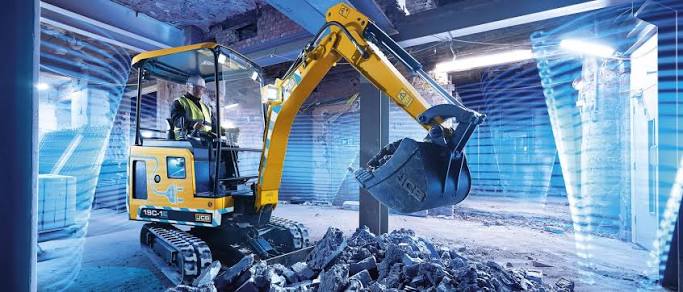
Within this changing landscape, electric diggers are attracting attention as an alternative to conventional diesel-powered excavation equipment. Their battery-based operation offers certain environmental characteristics that may be beneficial on suitable sites, particularly where emissions and noise are important concerns. Nevertheless, responsible machinery selection requires a broader assessment that considers the entire operating process, not merely the machine’s power source.
Reducing Exhaust Emissions at the Work Site
Traditional diesel excavators produce exhaust emissions while operating, contributing to local air pollution and releasing greenhouse gases. Electric-powered alternatives do not produce diesel exhaust directly at the point of operation. This distinction can be valuable when work is undertaken near homes, public spaces, commercial premises, or enclosed environments where air quality requires particular attention.
Removing exhaust emissions from the immediate operating area can help improve the working environment, especially when machinery is used near personnel or building entrances. It may also support construction projects with requirements relating to equipment emissions.
However, the environmental impact of electric machinery is not entirely eliminated. Electricity generation, battery production, manufacturing, transportation, and eventual battery disposal or recycling all contribute to its broader environmental footprint. The overall benefits therefore depend partly on the electricity supply and the equipment’s lifetime utilisation.
Managing Noise and Community Disturbance
Construction activities can affect people who live, work, or travel close to a project. Excavation may take place in residential neighbourhoods, school surroundings, healthcare facilities, or busy commercial areas. Noise generated by machinery can become a source of inconvenience, particularly when projects last several weeks or require work at different times of the day.
Electric equipment generally avoids the continuous engine noise associated with diesel-powered machinery. Although tracks, hydraulic systems, attachments, and ground contact still produce sound, reducing engine noise may help create a less disruptive working environment.
Contractors should not assume that quieter machinery automatically meets every noise requirement. They must review local restrictions, evaluate the noise of the complete operation, and coordinate activities with nearby stakeholders. Using suitable equipment alongside effective work scheduling can contribute to more considerate construction practices.
Energy Efficiency and Operational Planning
Electric powertrains can offer advantages in energy conversion compared with conventional combustion engines, but the practical outcome depends on the machine’s design and working conditions. Battery capacity, hydraulic demand, digging intensity, travel distance, attachment selection, and temperature can all influence energy use.
For environmentally conscious contractors, energy management should become part of equipment planning. A machine operating on a predictable schedule may be easier to recharge efficiently than one required to work continuously across multiple distant locations.
Businesses can examine the energy consumption associated with specific tasks and use those findings to improve scheduling. Where appropriate, charging may take place during periods when the site is inactive. Access to renewable electricity or lower-carbon grid energy may further support environmental objectives, depending on the location and energy arrangements.
Responsible Equipment Selection
An environmentally focused project should not select machinery solely because it is electric. The equipment must also be suitable for the required work. An undersized machine could increase operating time, create additional handling requirements, or fail to complete tasks efficiently. Conversely, using unnecessarily large equipment may consume more resources than the job demands.
Contractors should compare digging depth, reach, lifting capacity, machine dimensions, transport requirements, stability, and attachment compatibility. Appropriate sizing can help avoid unnecessary resource consumption while maintaining productivity.
The intended work environment matters as well. Excavation near trees, protected landscaping, existing foundations, or underground services requires careful control. Choosing equipment that can operate accurately within the available area may reduce the likelihood of avoidable damage and rework.
Considering Maintenance and Equipment Life
Environmental performance also depends on how long equipment remains useful. Regular inspections, appropriate servicing, operator training, and proper storage can help extend machinery life and reduce premature replacement.
Electric machines may eliminate certain diesel-engine maintenance tasks, including oil and fuel-filter changes, but they still require attention to hydraulic fluids, electrical systems, battery condition, cooling arrangements, tracks, and safety components. A maintenance programme should follow manufacturer recommendations and account for the working environment.
Battery condition deserves particular attention. Charging practices, temperature management, storage procedures, and manufacturer-approved maintenance can influence long-term performance. Businesses should investigate warranty conditions and available service support before purchasing.
Supporting Broader Construction Sustainability Goals
Electric excavation equipment can contribute to wider environmental objectives when integrated into a carefully managed construction strategy. Companies may combine suitable machinery with efficient material handling, waste reduction, responsible sourcing, improved site logistics, and energy-conscious scheduling.
Project teams should document measurable outcomes where possible, including energy consumption, operating hours, equipment utilisation, and reductions in direct exhaust emissions. These records provide a more credible basis for evaluating progress than general environmental claims.
A Balanced Approach to Cleaner Construction
The role of electric diggers in environmentally conscious construction is promising, but it should be understood realistically. Their potential advantages are most meaningful when the equipment is matched to the job, charging arrangements are practical, maintenance is consistent, and project requirements are clearly defined.
By considering emissions, noise, energy use, machine efficiency, and long-term ownership, construction businesses can make informed decisions about incorporating electric excavation into their operations. This measured approach helps support cleaner working practices while preserving the productivity and reliability that every successful construction project requires.