Regular maintenance is essential for keeping manufacturing equipment reliable, efficient, and productive. In broom production, proper care of machinery helps prevent unexpected breakdowns, reduce repair expenses, and maintain consistent product quality. A well-maintained machine can operate smoothly for a longer period while supporting stable production performance.
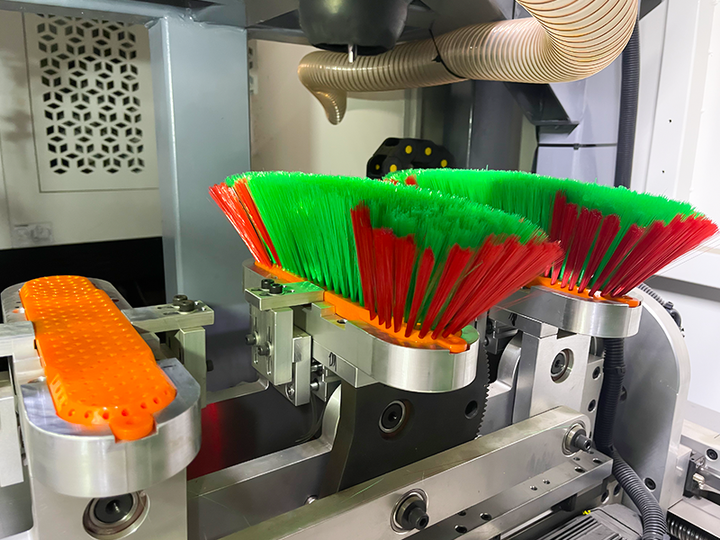
A properly serviced Broom Brush Machine performs more efficiently and experiences less wear over time. Manufacturers should establish a routine maintenance plan that includes cleaning, inspection, lubrication, and timely replacement of worn components to ensure continuous operation.
Clean the Machine Regularly
Dust, fiber particles, and production residue can accumulate on machine components during daily operation. Regular cleaning prevents buildup that may affect performance or cause unnecessary strain on moving parts.
Operators should clean important areas such as:
- Feeding systems
- Brush holders
- Moving mechanisms
- Cutting sections
- Work surfaces
A clean machine environment improves efficiency and makes it easier to identify potential problems.
Lubricate Moving Components
Proper lubrication reduces friction between moving parts and helps prevent excessive wear. Components such as bearings, gears, and sliding mechanisms should be lubricated according to the manufacturer’s recommendations.
Using the correct lubricant and maintaining a regular schedule can improve machine performance and extend component life.
Inspect Machine Parts Frequently
Routine inspections help detect minor issues before they develop into major failures. Operators should check important components regularly to ensure everything is functioning correctly.
Common inspection points include:
- Belts and chains
- Electrical connections
- Fasteners and screws
- Motors
- Mechanical joints
Early detection of problems reduces downtime and prevents costly repairs.
Check and Adjust Machine Settings
Incorrect machine settings can affect production quality and increase wear on components. Operators should regularly verify that speed, alignment, and operating parameters are properly adjusted.
Accurate settings help maintain consistent brush production and improve overall efficiency.
Replace Worn Parts on Time
Continuing to operate with damaged or worn components can reduce machine performance and create additional stress on other parts. Replacing parts at the right time helps prevent larger mechanical issues.
Keeping commonly used replacement parts available can also reduce production delays during maintenance.
Maintain Electrical Components
Electrical systems require regular attention to ensure safe and reliable operation. Loose connections, damaged wires, or overheating components can lead to equipment problems.
Regular electrical checks should include:
- Inspecting cables and connections
- Checking control panels
- Monitoring motor performance
- Removing dust from electrical areas
- Testing safety features
Proper electrical maintenance improves both safety and reliability.
Train Operators Properly
Skilled operators play an important role in equipment maintenance. Employees should understand correct operating procedures, daily inspection tasks, and basic troubleshooting methods.
Proper training helps prevent misuse and allows operators to identify early warning signs of mechanical issues.
Keep Maintenance Records
Maintaining detailed service records helps manufacturers track equipment performance and plan future maintenance activities.
Records should include:
- Cleaning schedules
- Repairs completed
- Parts replaced
- Inspection results
- Service dates
Accurate records support better decision-making and improve long-term equipment management.
Follow a Preventive Maintenance Schedule
Preventive maintenance is more effective than waiting for equipment failure. A planned schedule ensures that important maintenance tasks are completed consistently.
A typical maintenance routine may include:
- Daily cleaning after production
- Weekly inspections
- Monthly lubrication checks
- Periodic component replacement
- Regular professional servicing
This approach reduces downtime and helps maintain reliable production.
Conclusion
Proper maintenance is key to extending the lifespan and performance of a broom brush machine. Regular cleaning, lubrication, inspections, operator training, and preventive servicing help manufacturers avoid unexpected problems and maintain efficient production. By following consistent maintenance practices, businesses can protect their equipment investment, reduce operating costs, and achieve reliable product quality over the long term.