Look up at an overhead communication line and the visible cables may appear to form a simple route between poles or buildings. In practice, keeping those cables properly positioned over long distances requires a carefully designed support arrangement. Cable weight, wind, temperature changes, and the distance between attachment points can all affect line sag and mechanical stability. Without adequate support, overhead installations may become difficult to maintain and more vulnerable to physical damage.
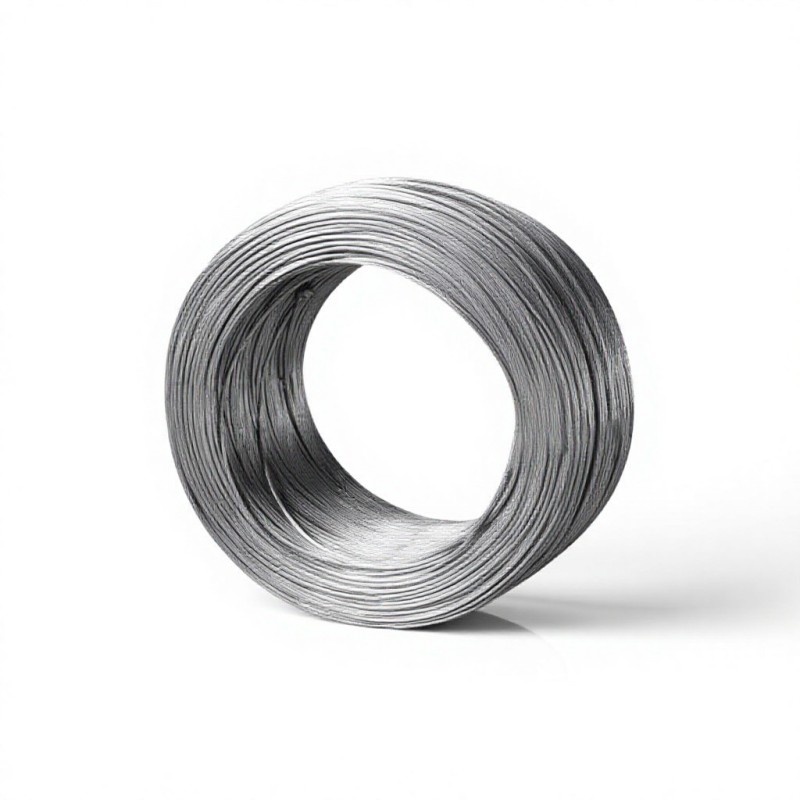
A messenger wire helps solve this problem by acting as a load-bearing support along the cable route. Rather than allowing communication cables to carry all the mechanical stress themselves, installers can attach or suspend them from a separate supporting strand. Galvanized Messenger Wire is used in suitable outdoor installations because its steel construction provides tensile strength and its zinc coating helps protect against corrosion. Understanding how this arrangement works reveals why messenger wire remains useful in overhead network construction.
The Messenger Wire: A Structural Backbone for Cable Routes
A messenger wire is a tensioned supporting element installed between poles, buildings, or other approved structures. Communication cables are attached to it using suitable clamps, lashing materials, or suspension hardware, depending on the network design.
The messenger carries much of the mechanical load created by the supported cable. This reduces the need for the communication cable itself to withstand the full tension associated with its own weight and the span between supports. It also helps maintain a planned route and can make cable placement more manageable.
Messenger wire should not be confused with the communication conductor. Its primary function is mechanical support, not signal transmission. The two components work together, but each has a different role within the installation.
Why Galvanized Steel Is Used
Overhead infrastructure is exposed to conditions that indoor cables never encounter. Rain, sunlight, humidity, airborne pollutants, and seasonal temperature changes can gradually affect exposed materials. A messenger wire therefore needs suitable mechanical properties as well as protection against environmental deterioration.
Galvanized steel combines two useful characteristics:
- Tensile strength: Steel can withstand substantial pulling forces when the wire is correctly sized and specified.
- Corrosion protection: A zinc coating helps shield the underlying steel from moisture and oxidation.
- Outdoor suitability: The protective coating makes the wire appropriate for many exposed installations, subject to the environment and product specification.
- Mechanical support: A properly installed strand can carry the weight of supported cables across designated spans.
Galvanization does not make steel completely immune to corrosion. Coating quality, thickness, handling damage, and environmental exposure all influence its service life. For coastal or industrial locations, the required corrosion protection deserves particular attention.
How It Works Along an Overhead Network
The operation of a messenger-supported system is relatively straightforward, but each stage needs to be planned.
First, the messenger wire is attached to suitable support points. These may include utility poles, building-mounted brackets, or other structures designed to handle the expected loads. The wire is then tensioned according to the installation requirements.
Communication cables are subsequently secured to the messenger using compatible attachment hardware. The support strand helps distribute the mechanical load across the route, while the cable remains positioned for its intended communication function.
The arrangement must account for span length, cable weight, expected sag, wind exposure, and the capacity of the supporting structures. Excessive tension can damage anchors or poles, while insufficient tension may allow unwanted sag. Proper engineering and installation practices are therefore essential.
Where Messenger Wire Is Commonly Used
Different communication systems have different support requirements. Messenger wire is particularly relevant where cables need to run overhead rather than underground.
Telephone and Broadband Distribution
Overhead telephone and broadband routes may use messenger-supported arrangements to carry cables between poles. This can help maintain consistent cable positioning along streets, residential areas, and rural routes. The precise configuration depends on the cable type, span, and network operator’s installation standards.
Fiber-Optic Infrastructure
Certain aerial fiber-optic installations use a separate messenger strand to provide mechanical support. This is especially relevant where the fiber cable is not designed to carry the full mechanical load independently. Compatible suspension and attachment hardware must be selected to avoid crushing or damaging the fiber assembly.
Cable Television Networks
Cable television distribution may involve overhead coaxial or hybrid cable routes. A messenger system can support these cables across multiple spans, helping maintain clearance and reducing strain on the communication line.
Industrial and Campus Networks
Large industrial sites, transport facilities, and institutional campuses may have overhead communication links between buildings or equipment areas. Messenger-supported routing can be considered where the site design permits aerial cable installation and suitable structural attachment points are available.
Choosing a Messenger Wire for the Job
Not every galvanized strand is suitable for every overhead cable system. The correct selection depends on the mechanical demands of the route and the environmental conditions at the installation site.
Important details to review include:
| Selection consideration | Practical importance |
|---|---|
| Wire diameter | Must match the design load and compatible fittings. |
| Tensile strength | Determines the strand’s resistance to pulling forces. |
| Strand construction | Influences mechanical behavior and handling characteristics. |
| Zinc coating | Provides protection against corrosion during outdoor exposure. |
| Span length | Affects tension, sag, and the loads transferred to support points. |
| Cable weight | Helps determine the required supporting capacity. |
| Hardware compatibility | Ensures secure attachment without damaging the strand or cable. |
Buyers should request technical specifications and relevant test documentation. Where a network operator or project authority specifies a particular standard, the selected product should be checked against that requirement before procurement.
Installation Details That Deserve Attention
The quality of an overhead line depends on more than the wire itself. Support structures, anchors, fittings, and installation workmanship all contribute to the final result.
Before work begins, installers should confirm that poles or brackets can withstand the intended loading. The messenger must follow the designed route and be tensioned using appropriate equipment. Clamps and suspension components should be compatible with the wire diameter and cable construction.
Clearance is another important consideration. Overhead lines must remain at safe distances from roads, buildings, other utilities, and areas accessible to people. Requirements vary by jurisdiction and installation type, so applicable electrical, telecommunications, and local safety regulations should guide the design.
Careful handling also matters. Sharp bends, crushing, and rough contact with tools or surfaces can damage individual strands or the zinc coating. Any damaged material should be evaluated before it is placed into service.
Inspection and Maintenance Over the Network’s Life
Once an overhead route is operational, periodic inspection helps identify developing issues. Maintenance teams should check for corrosion, broken wires, loose attachments, damaged clamps, anchor movement, and unexpected changes in sag.
Vegetation, construction activity, vehicle contact, and severe weather can also affect overhead installations. Following storms or other unusual events, additional inspection may be appropriate, especially on routes where a failure could interrupt essential communication services.
The frequency of inspection should reflect the installation environment, network importance, and applicable maintenance requirements. Replacing damaged components promptly can help prevent small defects from developing into more extensive repairs.
Supporting Reliable Communication Infrastructure
Messenger wire may not carry the information moving through a telecommunications network, but it plays an important role in keeping the physical cable route secure. By providing a separate load-bearing support, it helps manage cable weight and maintain overhead positioning across designated spans.
Galvanized steel is useful for this purpose because it combines tensile strength with a protective zinc coating. Its successful application still depends on selecting the right specification, using compatible fittings, designing adequate support points, and carrying out regular inspections. When these elements are coordinated, a messenger-supported system can contribute to durable and well-organized overhead communication infrastructure.