
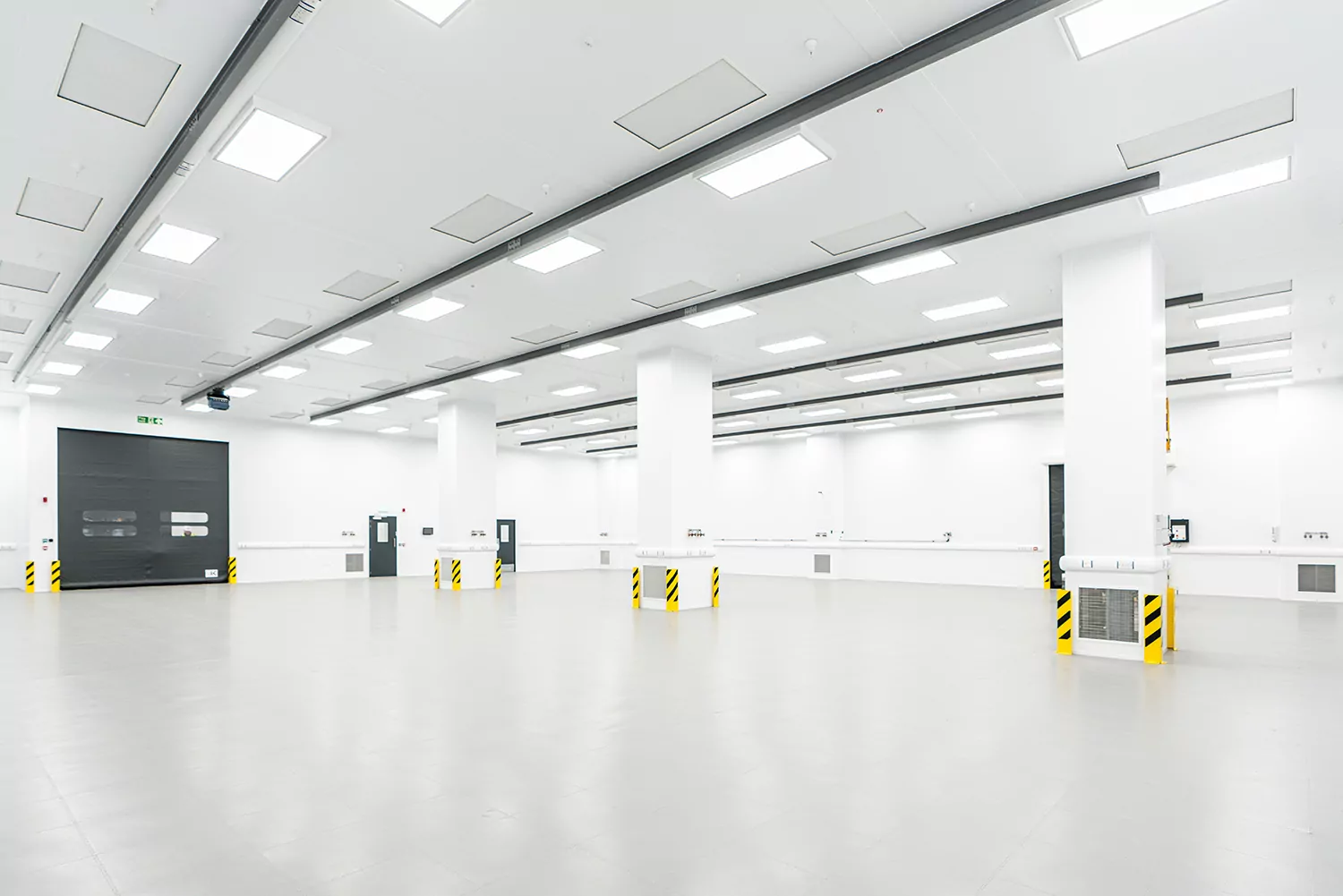
Cleanroom facilities are highly specialized environments required in industries such as pharmaceuticals, biotechnology, semiconductors, and medical device manufacturing. These spaces must maintain strict control over air quality, pressure, temperature, and contamination levels to ensure product safety and regulatory compliance.
Because of their technical complexity, cleanroom development requires a structured and highly coordinated approach. A Turn-key Project for Clean Room provides a complete solution where design, engineering, construction, and validation are integrated into a single delivery system.
Initial Planning and Requirement Definition
The first stage of a turn-key cleanroom project focuses on understanding the client’s operational needs. This phase is critical because it determines the foundation of the entire project.
During this stage, project teams assess:
- Industry-specific regulatory requirements (ISO, GMP, etc.)
- Required cleanliness classification levels
- Production or research workflows
- Facility size and spatial constraints
- Equipment and utility requirements
Clear requirement definition helps ensure that the final cleanroom aligns with both operational and compliance expectations.
Conceptual Design and Layout Development
Once requirements are defined, engineers begin developing the conceptual design. This stage translates functional needs into a structured cleanroom layout.
The focus is on optimizing workflow efficiency while maintaining strict contamination control. Designers carefully plan how materials, personnel, and equipment will move through the facility.
Key elements of conceptual design include:
- Zoning of clean and non-clean areas
- Initial airflow and pressure strategy
- Equipment placement and space utilization
- Material and personnel flow planning
This stage ensures that the facility layout supports both productivity and compliance.
Detailed Engineering and System Integration
After conceptual approval, the project moves into detailed engineering. This is where all technical systems are fully designed and integrated.
Mechanical, electrical, and structural engineers collaborate to ensure that all systems function seamlessly together.
Key engineering components include:
- HVAC systems for airflow and environmental control
- Electrical systems for power distribution and backup support
- Cleanroom materials and surface specifications
- Utility routing and infrastructure planning
System integration is essential at this stage to prevent conflicts during construction and ensure operational efficiency.
Procurement and Prefabrication Process
Once the design is finalized, materials and equipment are sourced. In many modern turn-key projects, prefabrication is used to improve quality and reduce construction time.
Cleanroom components such as wall panels, ceilings, and modular structures are manufactured in controlled environments before being transported to the site.
Benefits of this approach include:
- Higher manufacturing precision
- Reduced on-site installation time
- Improved quality control
- Lower risk of construction errors
Prefabrication also allows for faster and more efficient project execution.
On-Site Installation and Construction
After components are prepared, on-site installation begins. This phase involves assembling the cleanroom structure and integrating all systems according to the approved design.
Typical installation activities include:
- Assembly of modular wall and ceiling systems
- Installation of HVAC and filtration units
- Electrical wiring and control system setup
- Flooring, sealing, and finishing work
Because components are pre-engineered, installation is more structured and efficient compared to traditional construction methods.
Testing, Validation, and Compliance Checks
Validation is one of the most important stages in a turn-key cleanroom project. It ensures that the facility meets all required performance and regulatory standards before it becomes operational.
Testing procedures typically include:
- Airflow pattern verification
- Particle count and classification testing
- Pressure differential measurement
- Temperature and humidity stability checks
- HEPA/ULPA filter efficiency testing
These tests confirm that the cleanroom operates within required environmental limits and meets industry regulations.
Commissioning and Final Handover
Once validation is successfully completed, the facility enters the commissioning phase. This is the final step before operational use.
During commissioning, engineers verify that:
- All systems function as designed
- Monitoring and control systems are operational
- Safety systems are tested and active
- Documentation is complete and accurate
After this stage, the cleanroom is officially handed over as a fully operational facility.
Continuous Support and Maintenance Planning
Many turn-key providers also offer post-handover support to ensure long-term performance. Cleanroom systems require regular maintenance and monitoring to maintain compliance and efficiency.
Ongoing support may include:
- Preventive maintenance programs
- System calibration and optimization
- Periodic validation checks
- Technical troubleshooting support
This ensures the facility continues to operate at peak performance over time.
Conclusion
A Turn-key Project for Clean Room facilities follows a structured and highly coordinated process that transforms complex requirements into fully operational environments. From initial planning and engineering to installation, validation, and commissioning, each stage is carefully managed to ensure precision and compliance.
This integrated approach not only improves efficiency but also reduces risk, enhances quality control, and ensures that cleanroom facilities are ready for immediate and reliable operation.