

Customized Hydraulic Control Valve Design for High-Pressure Systems
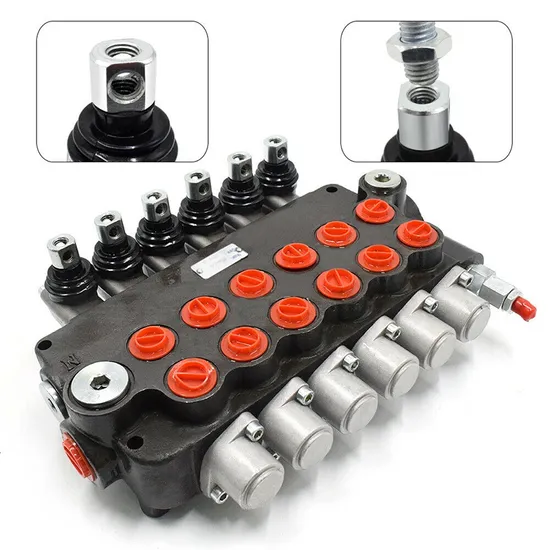
High-pressure hydraulic systems are used in equipment that requires substantial force, controlled movement, and dependable fluid power. As pressure levels increase, valve design becomes increasingly important because components must manage hydraulic loads while maintaining reliable operation.
A customized hydraulic control valve can be designed around the specific requirements of a high-pressure application. Factors such as pressure range, flow rate, materials, sealing, connection configuration, and control method can be considered together rather than relying solely on standard valve specifications.
Understanding High-Pressure Hydraulic Requirements
The first step in valve design is to establish the actual operating conditions. Normal working pressure provides only part of the picture, since hydraulic systems can experience temporary pressure spikes during sudden load changes or rapid actuator movements.
Designers should identify the minimum, normal, and maximum pressures expected throughout the operating cycle. This information provides a basis for determining suitable valve ratings and internal component specifications.
Selecting the Appropriate Valve Type
The valve’s function within the hydraulic circuit should be clearly defined before the design begins. Directional, pressure-control, flow-control, check, counterbalance, and proportional valves can serve different purposes.
For example, a pressure-control valve may need to maintain a specific pressure range, while a directional valve must reliably switch fluid between different circuit paths. The required function directly influences the internal design.
Managing Pressure and Flow Together
Pressure and flow should not be considered independently. A valve may be capable of handling a high pressure rating but still produce excessive pressure loss if the flow capacity is inadequate.
Determine both continuous and peak flow requirements. Evaluating pressure drop across the valve at the expected flow rates can help identify whether the design is appropriate for the complete hydraulic circuit.
Choosing Suitable Materials
Material selection is particularly important in high-pressure applications. The valve body and internal components must withstand repeated hydraulic loading without excessive deformation or wear.
Depending on the operating environment, designers may also consider corrosion resistance, surface treatment, and compatibility with the hydraulic fluid. Material choices should reflect the actual pressure, temperature, and environmental conditions.
Designing Reliable Sealing Systems
Seals prevent hydraulic fluid from escaping and help maintain pressure within the circuit. At higher pressures, sealing performance becomes increasingly important because even small imperfections can result in leakage or reduced system performance.
Seal material should be compatible with the hydraulic fluid and expected temperature range. The design should also account for pressure cycles and the movement of internal components.
Considering Pressure Spikes
Hydraulic equipment does not always operate at a steady pressure. Rapid valve switching, sudden load changes, actuator stops, and other events can generate pressure spikes.
A high-pressure valve design should consider these transient conditions rather than being based solely on static operating pressure. Appropriate pressure-management components may also be required elsewhere in the hydraulic circuit.
Evaluating Temperature Effects
Temperature can affect both hydraulic fluid properties and valve materials. As temperature changes, fluid viscosity may increase or decrease, potentially influencing flow behavior and valve response.
The expected operating temperature range should therefore be included in the design requirements. Seals, coatings, and other materials should be selected according to the actual thermal conditions.
Connection and Installation Requirements
A high-pressure valve must be securely integrated into the hydraulic circuit. Port size, connection standard, mounting method, and port arrangement should all be specified accurately.
Installation space can also influence the design. In compact equipment, the valve may need to fit within strict dimensional limits while still providing sufficient flow capacity and access for maintenance.
Choosing the Right Control Method
The actuation method depends on how the hydraulic system operates. High-pressure valves may be controlled manually, mechanically, hydraulically, or electrically depending on the application.
Automated equipment may require solenoid operation or proportional control, while simpler systems may use mechanical or manual actuation. The control method should be evaluated alongside response time and operating frequency.
Reducing Pressure Loss
Pressure loss across a valve represents energy that is not being converted into useful hydraulic work. Excessive pressure drop can increase heat generation and place additional demands on the hydraulic power unit.
Internal passages, orifices, spool geometry, and valve sizing can all influence pressure loss. The design should seek an appropriate balance between flow capacity, control characteristics, physical dimensions, and energy efficiency.
Considering Durability and Duty Cycle
High-pressure equipment may operate continuously or experience frequent pressure cycles. Valve durability should therefore be considered in relation to the machine’s actual duty cycle.
Important factors can include component wear, repeated pressure loading, switching frequency, fluid cleanliness, and expected service intervals. Designing for the real operating cycle is more useful than relying on a generic durability assumption.
Hydraulic Fluid Cleanliness
Contaminated hydraulic fluid can damage precision components and contribute to premature valve wear. High-pressure systems can be particularly sensitive because small particles may interfere with internal clearances and sealing surfaces.
Proper filtration and fluid maintenance should therefore be considered alongside valve design. The valve’s expected cleanliness requirements should be compatible with the maintenance practices of the equipment.
Testing and Validation
Testing is an essential part of developing a valve for high-pressure service. The finished design should be evaluated under representative pressure, flow, temperature, and switching conditions.
Depending on the application, testing may assess leakage, pressure stability, flow performance, response characteristics, and durability. Validation under demanding conditions can help identify design issues before deployment.
Documentation and Specification
A detailed technical specification makes the design process more precise. Relevant information may include:
- Working and maximum pressure
- Normal and peak flow
- Hydraulic fluid type
- Operating temperature range
- Valve function
- Actuation method
- Port and mounting specifications
- Environmental conditions
- Duty cycle
- Required performance characteristics
Hydraulic circuit diagrams and installation drawings can provide additional context when developing a specialized valve.
Final Considerations
Designing a hydraulic control valve for high-pressure systems requires a comprehensive evaluation of pressure, flow, materials, sealing, temperature, connections, control, and durability. Each factor can influence the valve’s ability to perform consistently under demanding conditions.
A well-defined design process should focus on the actual requirements of the hydraulic circuit rather than simply increasing pressure ratings. Careful specification, appropriate material selection, and thorough testing can help produce a valve that provides reliable control and long-term performance in high-pressure applications.