

Machine Shrink Wrap: 6 Ways to Improve Packaging Consistency
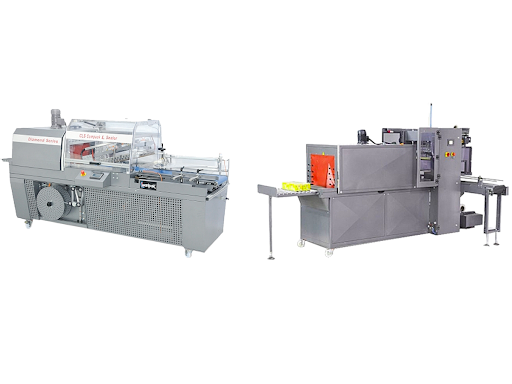
Shrink packaging is widely used because it can protect products, improve presentation, and make handling easier during storage and distribution. Yet consistent results depend on much more than simply applying film and heat. Product size, film type, sealing quality, tunnel settings, conveyor speed, and maintenance all affect the finished package.
A well-planned machine shrink wrap process should produce repeatable results across different production runs while limiting film waste, rework, and unnecessary downtime. For manufacturers and fulfillment operations, improving consistency often means looking at the entire packaging line rather than adjusting only one machine.
1. Match Film Type to the Application
The film is one of the most important variables in any shrink-packaging process.
Different materials can respond differently to heat, sealing pressure, and product shape. Polyolefin, polyethylene, and other shrink films may vary in thickness, clarity, shrink force, and intended use.
A machine shrink wrap setup should therefore be configured around the actual film being used.
Important considerations include:
- Film gauge
- Seal temperature
- Shrink temperature
- Product weight
- Package dimensions
- Desired appearance
Switching film without adjusting machine settings can create loose packages, weak seams, wrinkles, or excessive shrink.
2. Improve Seal Quality Before Adjusting the Tunnel
A common mistake is trying to solve every packaging problem by changing tunnel temperature.
The sealing stage should be checked first.
If the film is not sealed properly before entering the tunnel, heat can cause the seam to separate. This may leave the product partially exposed or create an uneven package.
A reliable machine shrink wrap process requires a seal that is strong enough to withstand shrinking without excessive melting around the edges.
Operators should inspect seal consistency across the full length of the sealing bar. Uneven temperature, contaminated components, worn elements, or poor alignment can all contribute to weak seams.
3. Balance Heat and Conveyor Speed
Heat exposure depends on both tunnel temperature and dwell time.
Dwell time is largely controlled by conveyor speed. If packages move too quickly through the tunnel, the film may not shrink completely. If they remain inside too long, excessive heat can distort the film or affect the product.
For this reason, a machine shrink wrap line should treat temperature and conveyor speed as connected settings.
A useful approach is to make small adjustments and document successful combinations for each product and film.
This can reduce trial and error during future production runs and make changeovers more predictable.
4. Keep Product Spacing Consistent
Product spacing affects both sealing and shrinking.
Packages placed too closely together may interfere with airflow inside the tunnel. They can also create irregular feeding patterns that make downstream handling more difficult.
Consistent spacing helps maintain predictable tunnel exposure and reduces the risk of products touching while the film is still warm.
In an automated machine shrink wrap line, conveyors and sensors can help maintain regular spacing between packages.
For semi-automatic operations, clear operator guidelines and positioning markers can improve repeatability.
Even small improvements in product flow can make a noticeable difference during long production runs.
5. Reduce Film Waste Through Better Sizing
Using too much film increases material costs and can make shrinking more difficult.
Excess film creates larger areas that need to contract inside the tunnel, potentially increasing wrinkles or bulky seams.
Using too little film can create excessive tension and increase the risk of seal failure.
A properly configured machine shrink wrap process should use enough material to form a secure package without leaving unnecessary excess around the product.
Companies can improve film efficiency by reviewing:
- Product dimensions
- Film width
- Bag length
- Product positioning
- Seal location
When thousands of packages are produced, even small reductions in film use can become meaningful.
6. Build Preventive Maintenance Into the Process
Packaging consistency can gradually decline as equipment wears.
Sealing elements, conveyors, sensors, heaters, fans, and moving components all experience repeated use. Dirt, film residue, and mechanical wear can also change machine performance.
Routine inspection is therefore an important part of any machine shrink wrap operation.
Operators should watch for warning signs such as:
- Inconsistent seams
- Uneven shrink
- Conveyor tracking problems
- Unusual noise
- Temperature fluctuations
- Repeated film jams
Addressing these issues early can help prevent larger breakdowns and unexpected production stops.
Choose Automation Based on Volume
Automation should match the production requirement.
A lower-volume operation may benefit from manual or semi-automatic sealing, while high-volume facilities may need automatic product feeding, sealing, shrinking, and discharge.
The goal is not necessarily to automate every stage.
A machine shrink wrap system provides the strongest value when automation removes a real bottleneck, improves consistency, or reduces repetitive manual handling.
Businesses should consider production volume, labor availability, SKU variation, and changeover frequency before deciding how much automation is necessary.
Pay Attention to Product Shape
Not every package responds to shrinking in the same way.
Flat boxes are relatively easy to process, while tall, cylindrical, irregular, or grouped products can create different airflow patterns.
Product orientation may therefore influence the final result.
A machine shrink wrap process should be tested using actual production items rather than relying only on theoretical dimensions.
Changing how a product enters the tunnel can sometimes improve shrink quality without requiring higher temperatures.
This is particularly useful when packaging several different shapes on the same line.
Consider Changeover Time
A fast machine does not necessarily create a fast production day.
Operations packaging multiple SKUs may spend significant time changing film, guides, temperature settings, conveyor speeds, and product positions.
A machine shrink wrap setup that supports quick, repeatable adjustments can improve real-world throughput.
Stored settings, easy-to-access controls, and clearly documented changeover procedures can reduce downtime between products.
For mixed-production environments, this flexibility may be more valuable than a small increase in maximum machine speed.
Do Not Ignore Cooling and Discharge
Shrink film remains warm immediately after leaving the tunnel.
If packages are stacked, compressed, or handled aggressively before the film stabilizes, the finished appearance may be affected.
A properly designed machine shrink wrap line should therefore include enough discharge space for cooling before the next handling stage.
This is especially important in fast-moving production environments where packages immediately continue toward labeling, case packing, or palletizing.
Cooling should be treated as part of the process rather than an afterthought.
Track Quality Problems by Cause
Packaging defects can have several possible causes.
Loose film may result from low heat or excessive conveyor speed. Burned areas may indicate too much heat. Weak seams can point to sealing problems, while uneven shrink may suggest airflow or product-positioning issues.
Instead of making random adjustments, operators should record:
- Product type
- Film specification
- Seal settings
- Tunnel temperature
- Conveyor speed
- Observed defect
This creates a useful troubleshooting history.
Over time, a more data-driven machine shrink wrap process can reduce guesswork and improve repeatability.
Conclusion
Consistent shrink packaging depends on controlling several variables at the same time. Film selection, sealing quality, heat exposure, conveyor speed, product spacing, maintenance, and cooling all contribute to the final result. For operations using machine shrink wrap, the most effective improvements usually come from balancing the complete line rather than focusing only on one piece of equipment. When evaluating systems from suppliers such as Maripak USA, businesses should compare equipment based on real product dimensions, film requirements, throughput, maintenance needs, and integration with upstream and downstream processes. A stable, well-documented shrink-packaging process can improve appearance, reduce material waste, and make production more predictable across different products and shifts.