

3M Taping Machine: Maintenance Tips for Reliable Case Sealing
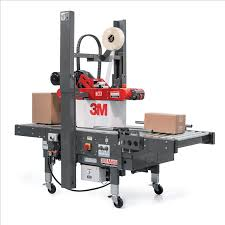
Automated case sealing can improve packaging consistency, reduce manual labor, and help production lines move at a more predictable pace. A 3M taping machine is designed to apply tape to cartons efficiently, but reliable performance still depends on routine inspection, correct setup, clean components, and timely replacement of worn parts. Small issues such as dirty rollers, dull blades, poor tape alignment, or inconsistent carton dimensions can quickly lead to weak seals or machine stoppages. Understanding common maintenance needs can help operators reduce downtime and keep case sealing equipment working more consistently.
How Does a 3M Taping Machine Work?
A 3M taping machine applies pressure-sensitive tape to corrugated cartons as they move through the sealing system.
Depending on the machine configuration, the equipment may seal the top, bottom, or both sides of a case. Random case sealers may also adjust automatically to cartons of different heights or widths.
Typical components can include:
- Taping heads
- Rollers
- Drive belts
- Cutting blades
- Guides
- Springs
- Sensors
- Compression mechanisms
Each of these components contributes to proper tape placement and carton movement.
If even one part becomes dirty, misaligned, or worn, sealing quality may decline.
Why Is Routine Maintenance Important?
Case sealers often operate continuously in demanding production environments.
Dust, adhesive residue, cardboard fibers, and mechanical wear can gradually affect performance.
Regular maintenance of a 3M taping machine can help:
- Prevent unexpected downtime
- Reduce tape waste
- Improve seal consistency
- Extend component life
- Reduce emergency repairs
- Improve operator safety
Maintenance should be based on actual machine usage and operating conditions rather than relying only on occasional visual checks.
High-volume packaging lines may require more frequent inspection.
Keep the Taping Head Clean
The taping head is one of the most important parts of the sealing process.
Adhesive residue can collect on rollers, guides, blades, and nearby components.
This buildup may cause the tape to track incorrectly or stick where it should not.
Cleaning the taping head of a 3M taping machine should be performed according to the manufacturer’s maintenance instructions.
Operators should avoid using aggressive cleaning methods that could damage rubber surfaces, coatings, or moving parts.
A clean taping head can help improve tape application and reduce irregular sealing.
Inspect Cutting Blades Regularly
A dull or damaged blade can create incomplete or uneven tape cuts.
Instead of cutting cleanly, the tape may stretch, tear, or remain partially connected.
This can cause jams or interfere with the next carton entering the machine.
When inspecting a 3M taping machine, look for signs such as:
- Ragged tape edges
- Incomplete cuts
- Tape pulling after sealing
- Increased adhesive buildup
- Visible blade damage
Blades should be replaced when they no longer produce a clean cut.
Because blades are sharp, maintenance should be carried out using appropriate lockout and safety procedures.
Check Tape Alignment
Tape should generally remain centered on the carton seam unless the machine is designed for a different application.
Poor tape alignment can reduce sealing strength and make finished cartons look inconsistent.
Several issues may cause misalignment in a 3M taping machine, including:
- Incorrect tape threading
- Worn rollers
- Misaligned guides
- Uneven carton movement
- Damaged taping head components
If tape repeatedly drifts to one side, operators should investigate the cause rather than simply repositioning the roll.
Recurring alignment problems may indicate mechanical wear.
Monitor Drive Belts for Wear
Drive belts move cartons through many case sealing machines.
Over time, belts can stretch, glaze, crack, or lose traction.
A worn belt may cause cartons to slip or move unevenly through the 3M taping machine.
Signs of belt problems can include:
- Uneven carton speed
- Slipping
- Jerking movement
- Visible cracking
- Frayed edges
- Excessive vibration
Belt tension should also be checked.
Too little tension can cause slipping, while excessive tension may increase wear on bearings and other components.
Make Sure Cartons Are Suitable for the Machine
Not every sealing problem is caused by the equipment.
Poorly formed, damaged, or overfilled cartons can interfere with machine operation.
A 3M taping machine performs best when cases are reasonably consistent and properly closed before entering the sealing area.
Common carton-related issues include:
- Warped flaps
- Overfilled boxes
- Crushed corners
- Uneven dimensions
- Poor-quality corrugated material
If carton quality varies significantly, even a correctly adjusted machine may struggle to produce consistent seals.
Use the Correct Tape
Tape selection can affect both sealing quality and machine performance.
Important tape characteristics include:
- Width
- Thickness
- Adhesive type
- Tensile strength
- Temperature resistance
- Carton surface compatibility
A 3M taping machine should be configured for the tape dimensions and application requirements used on the line.
Using unsuitable tape can contribute to poor adhesion, breakage, or feeding problems.
Storage conditions also matter because extreme heat, cold, dust, or humidity may affect some pressure-sensitive tapes.
Check Rollers and Bearings
Rollers help guide tape and move cartons through the machine.
Over time, rollers can become worn, dirty, damaged, or difficult to rotate.
Bearings may also develop play or noise.
During maintenance of a 3M taping machine, check whether rollers turn smoothly and remain properly aligned.
Warning signs may include:
- Squealing
- Grinding
- Excessive resistance
- Side-to-side movement
- Uneven wear
- Vibration
Addressing worn rollers early may help prevent problems from spreading to other components.
Watch for Pneumatic Problems
Some case sealing systems use pneumatic components for adjustments or machine movement.
Air leaks, low pressure, damaged tubing, or failing fittings can affect performance.
Operators should listen for unusual air leakage around the 3M taping machine and inspect visible pneumatic connections.
Common warning signs include:
- Slow movement
- Incomplete adjustment
- Hissing sounds
- Inconsistent pressure
- Repeated positioning errors
Air supply quality can also matter.
Moisture or contamination in compressed air systems may shorten the life of pneumatic components.
Keep Sensors Clean and Properly Positioned
Modern packaging equipment may use sensors to detect cartons, control timing, or support automatic adjustment.
Dust and cardboard fibers can interfere with sensor performance.
A 3M taping machine may stop unexpectedly or behave inconsistently if a sensor becomes blocked or misaligned.
Sensors should be inspected during routine cleaning.
If faults occur repeatedly, technicians should verify wiring, alignment, and sensor condition rather than assuming the control system itself has failed.
Follow Safe Lockout Procedures
Maintenance work can expose technicians to moving belts, blades, pinch points, and electrical components.
Before servicing a 3M taping machine, operators should follow the facility’s lockout/tagout procedures and manufacturer safety instructions.
Never attempt to clear a jam by reaching into moving equipment.
Common hazards may include:
- Cutting blades
- Drive belts
- Compression rollers
- Moving taping heads
- Electrical components
- Pneumatic actuators
Training is essential because familiarity with a machine should never replace proper safety procedures.
Keep a Preventive Maintenance Schedule
A documented maintenance schedule can help ensure that important inspections are not forgotten.
Tasks can be divided into daily, weekly, monthly, or usage-based intervals.
A preventive schedule for a 3M taping machine may include:
- Cleaning taping heads
- Inspecting blades
- Checking belt condition
- Testing sensors
- Inspecting rollers
- Checking fasteners
- Reviewing tape tracking
- Examining electrical connections
Maintenance records can also help identify components that fail more frequently than expected.
Stock Critical Spare Parts
Unexpected failures become more disruptive when replacement components are not available.
Facilities should identify high-wear or long-lead-time parts and determine which should be kept in inventory.
Common spares may include:
- Blades
- Springs
- Belts
- Rollers
- Bearings
- Sensors
- Fasteners
- Taping head components
Keeping appropriate spares for a 3M taping machine can shorten repair time and reduce production interruptions.
The exact inventory should reflect machine usage, part availability, and historical failure patterns.
Use Manuals and Parts Drawings During Repairs
Equipment manuals and exploded parts drawings can make maintenance more accurate.
They can help technicians identify component names, part numbers, assembly locations, and adjustment procedures.
Before disassembling a 3M taping machine, maintenance teams should consult the correct documentation for the exact model.
This reduces the risk of ordering incompatible parts or reinstalling components incorrectly.
Manuals can also provide recommended inspection intervals and adjustment specifications.
Conclusion
Reliable case sealing depends on a combination of correct machine setup, clean taping components, appropriate tape, good carton quality, and routine preventive maintenance. Ignoring small problems such as worn belts, dull blades, or misaligned rollers can eventually cause larger production disruptions. Maintenance teams responsible for packaging equipment parts should keep accurate records, verify model-specific part numbers, and stock critical wear items so repairs can be completed without unnecessary delays. A properly maintained 3M taping machine can provide consistent carton sealing and dependable production performance over time. Regular inspection, careful cleaning, safe repair practices, and access to the correct technical documentation can help extend equipment life while reducing unexpected downtime.