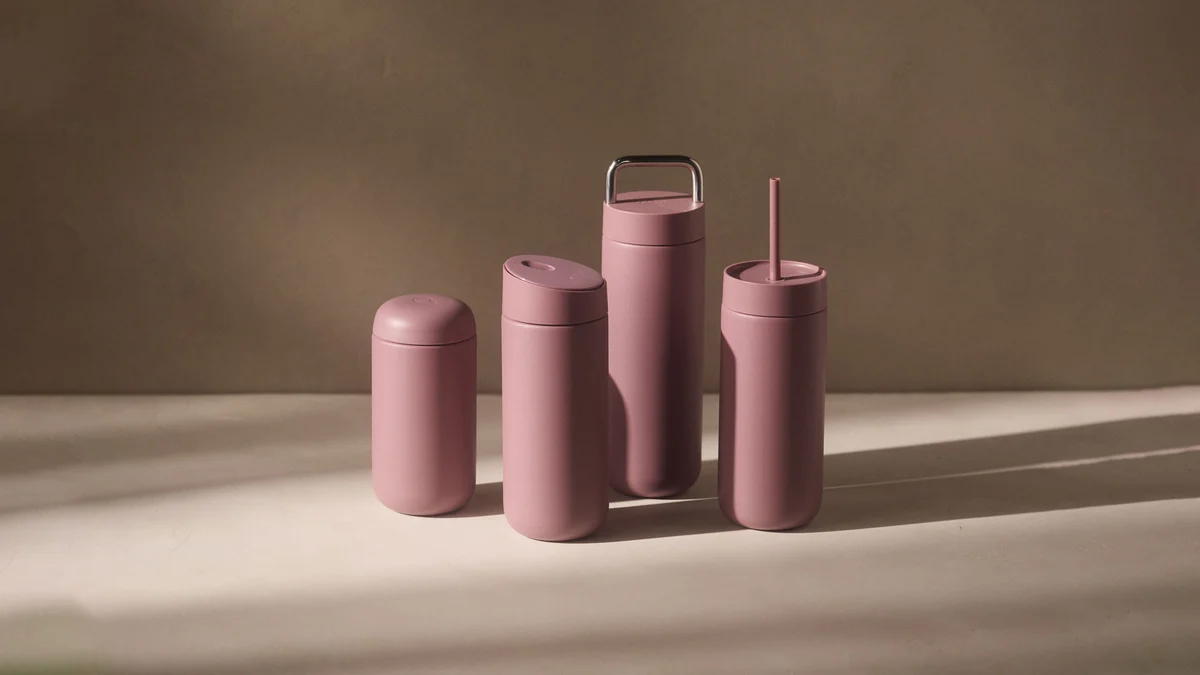
Tumblers, reusable bottles, and travel mugs are popular products for retailers, promotional merchandise companies, cafés, and corporate buyers. Their everyday usefulness makes them suitable for a wide range of customers, while different materials, sizes, and designs allow businesses to build diverse product collections.
Finding the right supplier involves more than comparing prices. Businesses exploring Drinkware Wholesale should evaluate product quality, available styles, order requirements, shipping arrangements, and supplier reliability. A structured sourcing process can help reduce purchasing risks and ensure that products meet customer expectations.
1. Identify the Right Products for Your Market
Before contacting suppliers, determine which types of drinkware your customers are most likely to purchase. Product selection should reflect your target audience, intended use, and available budget.
Wholesale Tumblers
Tumblers are versatile products used for water, iced coffee, juice, and other beverages. Common options include glass tumblers, plastic tumblers, stainless steel designs, and insulated models.
Consider stocking different capacities and styles to appeal to various customer preferences. For promotional businesses, check whether the exterior surface provides enough space for logos or other branding.
Reusable Water Bottles
Reusable bottles are suitable for everyday hydration, fitness activities, travel, and workplace use. They are available in plastic, stainless steel, glass, and other materials.
When comparing bottles, review their capacity, lid design, ease of cleaning, and leak resistance. If insulation is important, check the manufacturer’s performance specifications rather than relying on product descriptions alone.
Travel Mugs
Travel mugs are designed for people who carry beverages while commuting, working, or traveling. Many models feature insulated construction, secure lids, and shapes designed to fit common vehicle cup holders.
For this category, pay attention to lid sealing, drinking openings, grip, insulation performance, and overall construction. These details can influence customer satisfaction and reduce product complaints.
2. Research Potential Wholesale Suppliers
Once you have identified the products you need, research suppliers that specialize in drinkware. Compare their catalogs, business information, product specifications, and purchasing terms.
A suitable supplier should provide clear details about materials, dimensions, available colors, packaging, and customization options. Product photographs are useful, but detailed specifications and physical samples offer a better understanding of quality.
You can evaluate suppliers through:
- Their product catalogs and available inventory
- Business history and customer feedback
- Minimum order quantities
- Bulk pricing and payment terms
- Shipping options and estimated delivery times
- Policies for defective or damaged products
Avoid making large commitments based only on a low quoted price. Reliable communication and consistent product quality are equally important.
3. Compare Materials and Product Quality
The material used in a tumbler, bottle, or travel mug affects its appearance, durability, weight, and intended application.
Common materials include:
- Stainless steel: Often selected for reusable bottles and insulated travel mugs because of its durability.
- Plastic: Provides lightweight and often budget-friendly options, depending on the material and intended use.
- Glass: Offers a clean appearance and is suitable for certain everyday and hospitality applications.
- Ceramic: Commonly used for mugs and selected beverage containers.
Check whether products are designed for hot or cold beverages and review any relevant food-contact safety information. For reusable products, cleaning instructions and maintenance requirements should also be clear.
Request samples whenever possible, particularly before ordering large quantities. Inspect the finish, seams, lids, handles, surface quality, and overall construction.
4. Understand Minimum Order Quantities and Pricing
Wholesale suppliers commonly establish minimum order quantities (MOQs). These requirements can vary according to product type, customization, packaging, and supplier policies.
Before placing an order, clarify whether the MOQ applies to each individual design, color, or product category. This is important when purchasing several styles for a single business.
Compare the complete cost rather than focusing only on the unit price. Your calculations should include:
- Product cost per unit
- Shipping and handling charges
- Import duties or applicable taxes
- Customization and printing expenses
- Packaging and storage costs
A larger order may reduce the unit price, but it can also increase inventory expenses. Choose quantities that match realistic sales forecasts and available storage space.
5. Evaluate Customization and Branding Options
Customization can make tumblers, bottles, and travel mugs more appealing to corporate clients, retailers, and promotional product buyers.
Depending on the product material and surface, suppliers may offer screen printing, laser engraving, pad printing, or other decoration methods. Each technique has different requirements and limitations.
Before approving branded products, confirm:
- Whether the product supports your preferred decoration method.
- The available printing or engraving area.
- Artwork file requirements and color limitations.
- Sample approval procedures.
- Additional production time and customization costs.
Always review a final sample or digital proof before authorizing a full production run. This helps prevent problems involving logo placement, color accuracy, and design proportions.
6. Check Packaging and Shipping Arrangements
Drinkware needs appropriate packaging to prevent damage during storage and transportation. This is especially important for glass products and containers with removable lids or accessories.
Ask suppliers how products are packed, whether individual protective packaging is available, and how cartons are prepared for bulk shipments.
You should also confirm delivery estimates, shipping responsibilities, tracking availability, and procedures for reporting damaged goods. If products are required for a promotional campaign or seasonal sales period, allow enough time for possible shipping delays.
7. Start with a Test Order
A test order is a practical way to assess a supplier before establishing a regular purchasing relationship. It allows you to examine actual product quality, packaging, delivery performance, and communication.
Begin with a manageable quantity of your most important product categories. Once the order arrives, compare the items with the agreed specifications and record any issues.
Pay attention to whether:
- Product dimensions and materials match the description.
- Lids and closures function properly.
- Finishes and colors are consistent.
- Packaging provides sufficient protection.
- Delivery matches the supplier’s commitments.
A successful test order provides a stronger basis for negotiating larger purchases.
8. Build a Long-Term Sourcing Strategy
Businesses that regularly purchase drinkware benefit from a structured supplier and inventory strategy. Instead of ordering randomly, monitor which products sell consistently and which remain in storage.
Maintain records of supplier pricing, order quantities, product specifications, delivery times, and quality issues. These records make it easier to compare future quotations and identify suppliers that consistently meet expectations.
It can also be useful to maintain alternative suppliers for important product categories. This reduces dependence on a single source if a product becomes unavailable or delivery schedules change.
Conclusion
Sourcing wholesale tumblers, bottles, and travel mugs requires careful product selection and supplier evaluation. Businesses should compare materials, construction, customization options, minimum order quantities, pricing, and shipping arrangements before making purchasing decisions.
Starting with samples or a test order can help verify product quality and supplier reliability. By combining informed sourcing with practical inventory planning, businesses can develop a dependable drinkware collection that meets customer needs and supports long-term growth.