
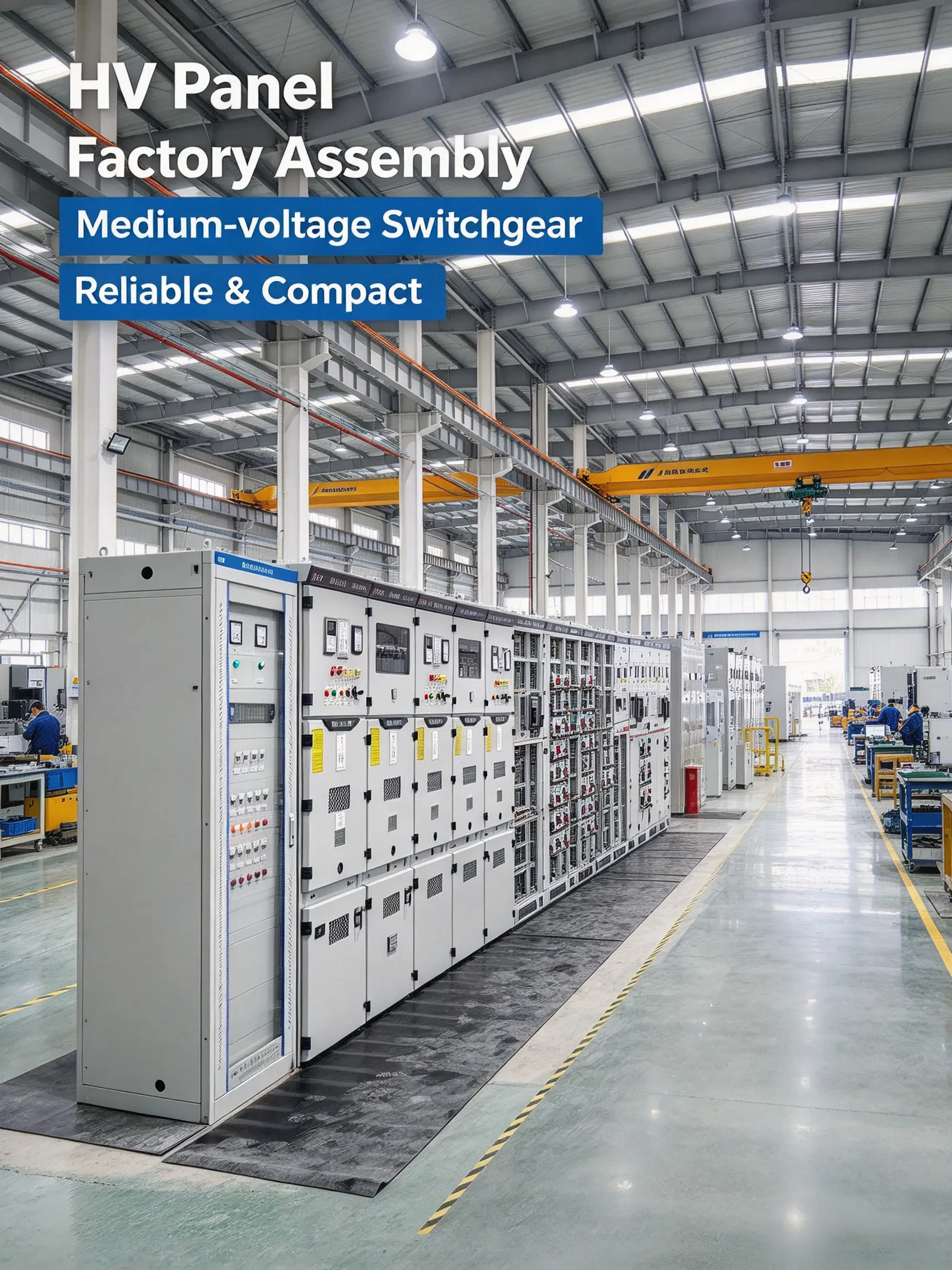
Dry type transformers are widely used in commercial buildings, industrial facilities, renewable energy installations, and infrastructure projects. Their insulation systems do not rely on liquid dielectric materials, making them suitable for many indoor applications and locations where fire safety and environmental considerations are important. As international demand for dependable electrical equipment grows, selecting the right export partner becomes an important part of project planning.
Choosing a reliable Dry Type Transformer Exporter involves more than comparing product prices. International buyers must assess technical capabilities, manufacturing quality, compliance with relevant standards, export experience, logistics arrangements, and after-sales support. A careful evaluation helps ensure that the supplied transformer meets project requirements and arrives ready for installation.
Understanding Dry Type Transformers and Their Applications
Dry type transformers transfer electrical energy between circuits through electromagnetic induction while using solid insulation systems rather than insulating oil. Depending on their construction, they commonly use cast resin or vacuum pressure impregnated (VPI) winding designs.
These transformers are used in environments where liquid-filled equipment may be less suitable. Common applications include:
- Commercial buildings, offices, and shopping centers.
- Hospitals, schools, and public infrastructure.
- Manufacturing plants and industrial facilities.
- Data centers and telecommunications installations.
- Renewable energy projects and solar power systems.
- Underground facilities and selected indoor substations.
Their suitability depends on electrical ratings, insulation design, cooling requirements, environmental conditions, and installation arrangements.
1. Evaluate the Exporter’s Manufacturing Capabilities
A dependable exporter should have access to consistent manufacturing processes and the technical resources needed to produce transformers for different applications.
Buyers should determine whether the company operates its own manufacturing facilities, works with established manufacturing partners, or acts primarily as a trading intermediary.
Production Facilities and Equipment
Ask about the manufacturer’s production equipment, winding processes, insulation procedures, assembly facilities, and quality control arrangements.
Modern production capabilities can help improve consistency, particularly for customized transformers and larger orders.
Engineering Expertise
Transformer design requires careful consideration of electrical, thermal, mechanical, and insulation characteristics.
An experienced engineering team should be able to review project specifications and identify any technical requirements that need clarification.
Production Capacity
For international projects involving multiple units, production capacity and scheduling are important.
Confirm whether the exporter can meet the required quantity and delivery schedule without compromising manufacturing quality.
2. Check Technical Specifications and Product Options
Not all dry type transformers are designed for the same operating conditions. Selecting the correct model requires a detailed review of project requirements.
Before requesting quotations, buyers should prepare a technical specification covering the expected electrical and environmental conditions.
Rated Power and Voltage
Confirm the required transformer capacity, primary voltage, secondary voltage, and frequency.
The selected ratings must match the distribution system and expected electrical load.
Winding Configuration
Review the required winding arrangement, phase configuration, vector group, and neutral connection.
These characteristics influence how the transformer integrates with the wider electrical network.
Insulation and Temperature Rise
Insulation class and permissible temperature rise affect the transformer’s thermal performance and expected service life.
The selection should reflect the ambient temperature, loading conditions, ventilation, and applicable design requirements.
Cooling Method
Dry type transformers commonly use natural air cooling or forced air cooling, depending on their design and rating.
The cooling arrangement should be appropriate for the expected load and installation environment.
Enclosure and Protection
Indoor and outdoor installations may require different enclosure designs.
Buyers should specify the required ingress protection rating, ventilation arrangements, and protection against dust, moisture, and other environmental conditions.
3. Verify Compliance With International Standards
Standards compliance is a key consideration when importing electrical equipment. It helps establish whether a transformer has been designed and tested according to recognized technical requirements.
The exporter should identify the standards used for each proposed product and provide supporting documentation.
Relevant standards may include:
- IEC 60076-11: Requirements for dry type power transformers.
- IEC 60076: General requirements and test provisions for power transformers.
- ISO 9001: Quality management system requirements for organizations.
- Applicable national standards: Additional requirements established by the destination country’s electrical authorities.
Certification and compliance documents should be checked carefully. Buyers should confirm that the documents relate to the actual manufacturer, product model, and transformer configuration being purchased.
4. Examine Quality Control and Testing Procedures
Quality assurance should be demonstrated through documented manufacturing and testing processes rather than general claims.
A professional exporter should explain how transformer quality is checked during production and before shipment.
Routine Testing
Depending on the applicable standard and purchase specification, routine tests may include winding resistance measurement, voltage ratio verification, polarity or vector group checks, impedance and load loss measurement, no-load loss measurement, and dielectric tests.
These checks help verify that the finished transformer meets its specified electrical characteristics.
Type and Special Tests
Some projects require additional verification beyond routine testing.
Type tests may address temperature rise, lightning impulse withstand, or other design characteristics. Special tests may be specified according to project requirements.
Factory Acceptance Testing
For important infrastructure and industrial projects, buyers may request factory acceptance testing before shipment.
The inspection process should define the test procedures, acceptance criteria, documentation, and responsibilities of the parties involved.
Test Reports
Request relevant test reports and confirm that the recorded values match the approved technical specification.
Complete documentation makes it easier for engineers and project owners to review product conformity.
5. Assess the Exporter’s International Experience
Exporting transformers involves requirements that extend beyond manufacturing. A supplier must understand international purchasing procedures, shipping arrangements, documentation, and destination-specific compliance expectations.
Previous export experience can indicate whether a company is familiar with these responsibilities.
Experience With Similar Markets
Ask whether the exporter has supplied equipment to countries with comparable electrical standards, climates, or project requirements.
Experience with similar markets may help identify documentation and installation considerations early.
Export Documentation
International shipments generally require accurate commercial and technical paperwork.
Depending on the destination and contract, documents may include commercial invoices, packing lists, certificates of origin, shipping documents, product test reports, and certificates required by local authorities.
Communication Across Time Zones
International procurement often involves coordination between engineering teams, purchasing departments, logistics providers, and manufacturers.
Clear communication and timely responses help prevent misunderstandings during specification approval and production.
6. Compare Pricing and Total Project Costs
Price is an important factor, but it should not be the only basis for selecting an exporter.
A lower quotation may exclude testing, accessories, specialized packaging, or other requirements that are included in competing offers.
Buyers should compare quotations using identical technical specifications.
Important cost considerations include:
- Transformer manufacturing and customization costs.
- Required accessories and protection components.
- Inspection and testing expenses.
- Export packaging and handling.
- International freight and insurance.
- Import duties, taxes, and customs charges.
- Installation and commissioning expenses.
- Long-term maintenance and operating costs.
Energy efficiency should also be evaluated. No-load and load losses contribute to the total cost of operating a transformer over its service life.
A transformer with a higher initial purchase price may provide better long-term value if its efficiency and maintenance characteristics suit the application.
7. Review Shipping, Packaging, and Delivery Arrangements
Transformers require suitable handling and packaging during international transportation. Poor shipping arrangements can cause mechanical damage, moisture exposure, or delays at the destination port.
Before placing an order, clarify how the exporter manages packaging, loading, freight, and delivery.
Protective Packaging
Packaging should protect the transformer and its accessories against vibration, impact, dust, and moisture.
The exporter should also provide suitable handling and storage instructions.
Transportation Planning
Consider the transformer’s dimensions, weight, lifting points, and shipping requirements.
Oversized or heavy equipment may require specialized transport arrangements.
Delivery Schedule
Request a realistic production and shipping timeline.
The schedule should account for technical approval, manufacturing, inspection, packaging, transportation, and customs clearance.
Incoterms and Shipping Responsibilities
International purchase agreements should clearly identify the applicable Incoterm and specify which party is responsible for freight, insurance, export clearance, and delivery obligations.
Clear contractual terms reduce uncertainty when coordinating international shipments.
8. Evaluate Customization and Engineering Support
International projects frequently involve site-specific requirements. A suitable exporter should be able to discuss customization options and provide engineering support where necessary.
Possible requirements include special voltage ratings, nonstandard winding configurations, specific impedance values, alternative enclosure designs, and additional monitoring accessories.
Environmental conditions may also influence the design. High ambient temperatures, humidity, dust, altitude, and limited ventilation can affect transformer performance.
Before manufacturing begins, buyers should review and approve the technical drawings, nameplate information, terminal arrangements, and accessory specifications.
This step helps ensure that the supplied transformer matches the intended installation.
9. Check Warranty and After-Sales Service
A transformer is a long-term electrical asset, so supplier responsibilities should not end when the shipment arrives.
Warranty terms and technical support arrangements should be reviewed before the purchase agreement is finalized.
Warranty Coverage
Confirm the warranty period, covered defects, exclusions, and procedures for submitting claims.
The contract should explain how responsibilities are handled if a product fails to meet agreed specifications.
Spare Parts and Accessories
Check the availability of replacement components, cooling fans, temperature monitoring devices, and other relevant accessories.
Availability can affect maintenance planning and equipment downtime.
Technical Assistance
Ask whether the exporter can provide installation guidance, troubleshooting support, and recommendations for inspection and maintenance.
For major projects, clarify whether remote or on-site technical assistance is available and whether additional charges apply.
Documentation
Operating manuals, maintenance instructions, test reports, and approved drawings should be provided in an agreed format.
These documents support safe installation and long-term operation.
10. Identify Warning Signs Before Placing an Order
A careful supplier assessment should include identifying potential risks before making a financial commitment.
Be cautious if an exporter:
- Cannot provide clear technical specifications.
- Offers unusually low prices without explaining the product configuration.
- Avoids sharing relevant test reports or manufacturing information.
- Provides certificates that cannot be independently verified.
- Gives unrealistic production or delivery commitments.
- Does not clearly explain warranty conditions.
- Communicates inconsistently during technical discussions.
- Requests payment under unclear contractual terms.
Buyers should verify company details, review the purchase agreement, and resolve technical questions before approving production.
11. Prepare a Structured Supplier Evaluation Checklist
A consistent evaluation process makes it easier to compare multiple exporters and select a supplier based on measurable criteria.
Before confirming an order, consider the following checklist:
- The transformer meets the project’s electrical ratings and configuration requirements.
- Manufacturing capabilities have been reviewed.
- Applicable standards and certifications have been verified.
- Quality control and testing procedures are documented.
- Technical drawings and specifications have been approved.
- Quotation details and additional costs are clearly explained.
- Production and delivery schedules are realistic.
- Export documentation and shipping responsibilities are defined.
- Warranty coverage and after-sales support are acceptable.
- Payment terms and contractual obligations are clearly stated.
This approach helps procurement teams make informed decisions while reducing the risk of unexpected costs and technical complications.
Conclusion
Choosing a reliable dry type transformer exporter is an important step in ensuring the success of international electrical projects. Buyers should evaluate manufacturing capabilities, technical specifications, quality control, international standards, export experience, logistics, and long-term support before making a purchasing decision.
A well-planned procurement process helps ensure that the selected transformer meets the project’s operating requirements and arrives with the necessary documentation and protection. By focusing on verified capabilities and total project value rather than purchase price alone, organizations can build dependable supplier relationships and support reliable electrical infrastructure for years to come.