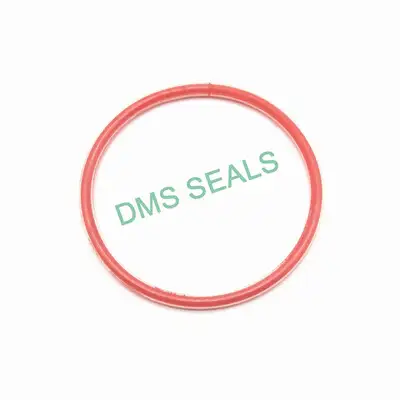
When purchasing O-rings in large quantities, choosing the right manufacturing partner becomes a major business decision. Bulk orders require more than competitive pricing. They demand consistent product quality, dependable production capacity, accurate specifications, and reliable delivery schedules. Any weakness in these areas can affect manufacturing operations, increase maintenance costs, or create supply chain disruptions.
Before committing to a large order, businesses should carefully assess an O Ring Manufacturer to determine whether its capabilities match their technical and commercial requirements. A thorough evaluation helps reduce procurement risks and establishes a stronger foundation for long-term supply.
1. Examine Manufacturing Capacity and Production Resources
The first consideration is whether the manufacturer can handle the required order volume within the expected timeframe. A supplier may produce excellent O-rings in small quantities but struggle when demand increases.
Ask about the manufacturer’s production equipment, available molding processes, workforce, and typical monthly output. Common O-ring production methods include compression molding, injection molding, and transfer molding. The most suitable process depends on the product design, material, tooling, and order quantity.
It is also important to understand whether the manufacturer can manage multiple product specifications within the same order. Businesses that purchase several sizes or materials need a supplier capable of organizing production without compromising consistency.
Check Production Scalability
Large-scale requirements may change over time. A business might initially order a moderate quantity and later need significantly higher volumes.
Evaluate whether the manufacturer can:
- Increase output when demand grows.
- Maintain quality during higher production volumes.
- Accommodate recurring orders and scheduled deliveries.
- Manage different O-ring sizes and material requirements.
- Communicate realistic production lead times.
A supplier with suitable capacity planning can help prevent production bottlenecks and unexpected shortages.
2. Verify Product Quality and Batch Consistency
Quality consistency is particularly important for bulk purchases. Even if a sample meets the required specifications, the remaining products must deliver the same level of performance.
Small variations in O-ring dimensions, hardness, or material properties can affect installation and sealing efficiency. In large-scale applications, these differences may lead to repeated failures across multiple machines or production units.
Review Quality Control Procedures
Ask the manufacturer how it monitors quality throughout production. A structured inspection process should cover incoming materials, molding conditions, finished dimensions, and final product appearance.
Depending on the application, relevant quality checks may include:
- Dimensional measurements.
- Rubber hardness testing.
- Tensile strength and elongation testing.
- Compression set evaluation.
- Visual inspection for surface defects.
- Material verification against approved specifications.
Not every order requires every test. The inspection plan should reflect the product’s intended use and agreed technical requirements.
Request Quality Documentation
For large purchases, documentation provides useful evidence that products have been checked against defined requirements. Depending on the manufacturer’s systems and the order specifications, available records may include inspection reports, material information, batch identification, and certificates.
Ask what documentation accompanies each shipment and whether production batches can be traced. This becomes especially useful when investigating a quality issue or arranging repeat orders.
3. Evaluate Material Selection and Technical Knowledge
O-rings are manufactured from different elastomer materials because operating environments vary considerably. Choosing the wrong compound can lead to swelling, hardening, cracking, or loss of sealing performance.
A capable manufacturer should understand the properties and limitations of common materials and help buyers select an appropriate option.
| Material | Common characteristics | Typical applications |
|---|---|---|
| NBR | Good resistance to many petroleum-based oils and fuels | Hydraulic equipment and automotive systems |
| FKM | Good resistance to heat, oils, and various chemicals | Industrial and automotive sealing |
| EPDM | Suitable for many water-based applications and weather exposure | Water systems and HVAC equipment |
| Silicone | Flexible across a broad temperature range | Selected medical, electrical, and industrial applications |
| Neoprene | Balanced weathering and general-purpose resistance | Outdoor and industrial equipment |
When requesting a quotation, provide details about operating temperature, pressure, fluid exposure, and expected service conditions. A manufacturer that asks relevant technical questions is more likely to understand the actual application instead of simply recommending a standard product.
4. Confirm Dimensional Accuracy and Custom Manufacturing Capabilities
Large-scale orders often involve standard O-ring sizes, but some businesses require specialized dimensions or custom compounds. In either case, dimensional accuracy must be maintained across the complete production run.
Check whether the manufacturer can work with recognized sizing standards, customer drawings, and specified tolerances. For custom products, confirm how tooling requirements are handled and whether samples can be approved before bulk production.
Approve Samples Before Mass Production
Sample approval is an effective way to reduce risk. It allows purchasing and engineering teams to examine the product before authorizing the full quantity.
A practical approval process may include:
- Providing drawings and technical specifications.
- Reviewing the proposed material and manufacturing method.
- Receiving sample O-rings for inspection.
- Checking dimensions, hardness, and other relevant properties.
- Approving the sample and documented specifications.
- Releasing the bulk production order.
Once the sample is approved, both parties should use the agreed specifications as the reference for subsequent production batches.
5. Assess Delivery Reliability and Order Management
Even a high-quality product has limited value if it arrives too late to support business operations. Large-scale orders require careful coordination between production, packaging, inventory, and transportation.
Ask potential manufacturers about their standard lead times, order scheduling procedures, and ability to manage repeat shipments. If your business follows a regular consumption schedule, discuss whether deliveries can be divided into planned batches.
Other important considerations include:
- Production status updates.
- Packaging suitable for the product and transportation method.
- Clear shipment documentation.
- Procedures for handling delays.
- Support for urgent replacement requirements.
Reliable communication is particularly important when ordering large quantities because unexpected changes can affect several departments within a purchasing organization.
6. Compare Pricing Beyond the Unit Cost
Bulk purchasing often provides opportunities for lower unit prices, but the cheapest quotation does not necessarily represent the best overall value.
A proper cost comparison should consider material quality, inspection requirements, tooling expenses, packaging, shipping, and delivery schedules. Buyers should also examine the potential cost of defective products and premature seal failure.
For example, a slightly more expensive O-ring may provide better dimensional consistency and longer service life. If it reduces equipment maintenance and replacement frequency, it may offer greater value over time.
Request detailed quotations that clearly identify:
- Product dimensions and material specifications.
- Unit price and total order value.
- Minimum order quantities.
- Tooling or setup charges, where applicable.
- Inspection and documentation costs.
- Production lead time and shipping terms.
Comparing quotations on the same technical basis makes it easier to identify genuine differences in value.
7. Investigate the Manufacturer’s Experience and Reputation
A manufacturer’s experience can provide useful insight into its ability to manage complex or high-volume requirements. However, buyers should look beyond general claims and examine evidence of relevant manufacturing capabilities.
Consider whether the supplier has experience with your industry, similar product specifications, and comparable order volumes.
Useful evaluation points include:
- Experience producing the required O-ring materials and sizes.
- Knowledge of industry-specific sealing requirements.
- Established production and inspection procedures.
- Ability to support custom development.
- References, customer feedback, or relevant project experience.
- Responsiveness when technical or quality issues arise.
A manufacturer that understands your application may be better prepared to identify potential problems before they affect production.
8. Check Quality Management and Traceability Systems
For businesses purchasing thousands of sealing components, traceability can be an important part of supplier evaluation. It helps connect finished products to their production details and supporting quality records.
Ask whether the manufacturer maintains batch identification, material records, and inspection documentation. These systems can simplify investigations if a defect is discovered after delivery.
It is also worth asking whether the manufacturer operates a formal quality management system, such as one based on ISO 9001. Certification can indicate that documented quality processes are in place, but buyers should still verify the specific inspection and performance requirements applicable to their products.
9. Establish Clear Terms for Long-Term Supply
Large-scale purchasing often develops into a recurring supply arrangement. Before placing the first major order, establish clear expectations about product specifications, pricing, delivery, and quality responsibilities.
A supply agreement may address:
- Approved drawings and material specifications.
- Acceptable dimensional tolerances.
- Sample approval requirements.
- Inspection and rejection procedures.
- Delivery schedules and order quantities.
- Notification of material or process changes.
- Responsibilities for resolving quality concerns.
These details reduce misunderstandings and make future orders easier to manage.
Conclusion
Evaluating an O-ring manufacturer for large-scale orders requires careful attention to production capacity, quality consistency, material knowledge, customization, and delivery performance. Each factor contributes to a dependable supply arrangement and helps protect business operations from avoidable disruptions.
Before committing to bulk production, verify the manufacturer’s capabilities, request samples, review quality documentation, and compare quotations using consistent technical specifications. A supplier that can maintain product standards while meeting volume and delivery requirements is more likely to support efficient procurement and long-term operational reliability.