Modern construction projects require materials that deliver more than structural strength. Roofing, wall cladding, and exterior building components must withstand changing weather conditions while maintaining an attractive appearance over time. Exposure to sunlight, rain, humidity, and airborne pollutants can gradually damage unprotected steel surfaces. Advanced metallic coatings and paint technologies help address these challenges by combining corrosion protection with decorative finishes.
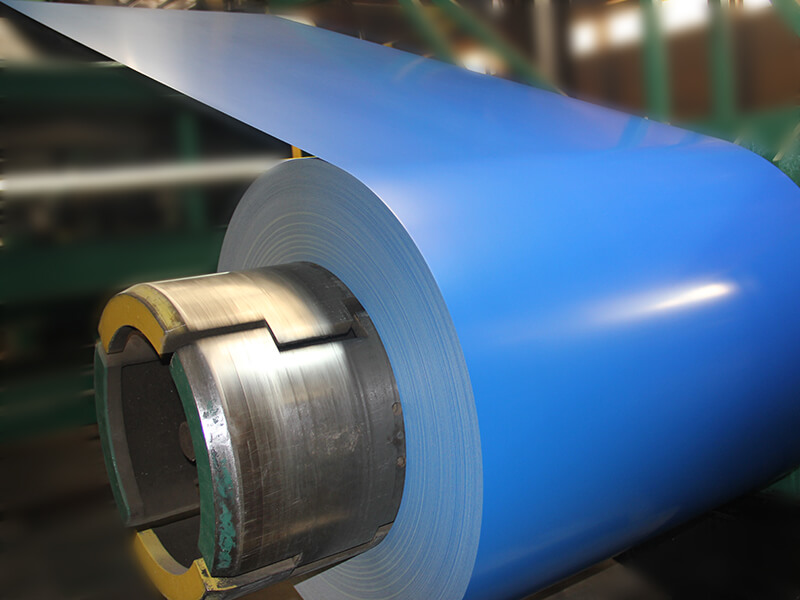
A Prepainted Aluminum Zinc Steel Coil offers this combination through a steel substrate protected by an aluminum-zinc alloy coating and finished with a factory-applied paint system. The metallic layer helps resist corrosion, while the paint finish provides additional surface protection and a wide range of design options. This combination makes the material a practical choice for roofing, exterior cladding, industrial buildings, and other applications where durability and appearance are equally important.
What Is Prepainted Aluminum-Zinc Steel Coil?
Prepainted aluminum-zinc steel coil is a coated steel product manufactured by applying an aluminum-zinc metallic coating to a steel substrate, followed by an organic paint finish.
The metallic coating commonly uses an alloy containing approximately 55% aluminum, 43.4% zinc, and 1.6% silicon by weight. Exact formulations and coating specifications may vary depending on the manufacturer’s product range.
Each component contributes to the material’s protective properties:
- Steel: Provides the strength and structural support required for fabrication and construction.
- Aluminum: Helps form a stable barrier against environmental exposure.
- Zinc: Provides sacrificial corrosion protection under suitable conditions.
- Paint coating: Adds another protective layer while delivering the desired color and surface appearance.
The finished product is supplied in coils that can be processed into roofing sheets, wall panels, architectural components, and other fabricated products.
How Aluminum-Zinc Coating Technology Provides Weather Protection
The combination of aluminum and zinc gives the metallic coating protective characteristics that are useful in many outdoor environments.
1. Barrier Protection from Aluminum
Aluminum contributes to the formation of a stable oxide layer on the coating surface.
This layer helps limit direct contact between the underlying metal and environmental elements such as oxygen and moisture. It plays an important role in reducing corrosion progression under suitable atmospheric conditions.
2. Sacrificial Protection from Zinc
Zinc provides electrochemical protection to exposed steel in small damaged areas.
Because zinc is more electrochemically active than steel, it can corrode preferentially when the metals are in electrical contact under suitable conditions. This helps protect the underlying substrate from localized corrosion.
3. Additional Protection from Silicon
Silicon is included in the aluminum-zinc alloy to help control the coating’s characteristics during manufacturing.
It contributes to the formation and behavior of the metallic coating structure and supports the production of a consistent protective layer.
4. Combined Corrosion Protection
The aluminum-rich barrier and zinc-based sacrificial mechanisms work together to protect the steel substrate.
This combination makes aluminum-zinc coated steel suitable for many roofing and exterior construction applications. However, performance depends on coating thickness, environmental exposure, installation quality, and maintenance.
The Role of the Prepainted Finish
The paint system adds another layer of functionality to aluminum-zinc coated steel. It enhances the appearance while providing additional protection against environmental exposure.
Primer Coating
The primer is applied to the pretreated metallic surface to improve adhesion between the substrate and the topcoat.
It also contributes to the overall protective performance of the coating system.
Topcoat
The topcoat provides the visible finish and helps protect the surface from sunlight, moisture, pollutants, and general weathering.
Different paint technologies are available depending on the required performance and project budget.
Back Coat
Many products also include a coating on the reverse side. Its formulation depends on the intended application and helps provide surface protection during fabrication, transportation, and service.
The quality of the complete coating system depends on paint chemistry, coating thickness, curing conditions, and manufacturing control.
Aesthetic Advantages of Prepainted Aluminum-Zinc Steel Coils
One of the major reasons for using prepainted steel in modern construction is its ability to combine functional performance with architectural flexibility.
1. Wide Range of Colors
Prepainted aluminum-zinc steel is available in many colors, allowing architects and builders to coordinate roofing and wall systems with the overall building design.
Color selection can also help create visual distinctions between different building sections.
2. Consistent Surface Finish
Because painting takes place in a controlled factory environment, manufacturers can maintain consistent coating thickness, gloss, and appearance across production batches.
This is especially useful for projects that require large quantities of matching panels.
3. Different Gloss Levels and Textures
Depending on the product range, finishes may include glossy, matte, textured, and other decorative options.
These choices provide flexibility for both contemporary and traditional architectural designs.
4. Long-Term Color Retention
Specialized paint systems can help maintain color and surface appearance under outdoor exposure.
Coating technologies such as silicon-modified polyester and PVDF are commonly selected for applications requiring improved weathering performance and color stability.
Actual performance depends on the formulation, environmental conditions, and product specification.
Manufacturing Process of Prepainted Aluminum-Zinc Steel Coils
The manufacturing process combines metallic coating technology with continuous coil painting.
Steel Substrate Preparation
Production begins with selecting a suitable steel substrate based on the required thickness, width, and mechanical properties.
The strip is cleaned to remove oil, dust, and surface contaminants.
Hot-Dip Aluminum-Zinc Coating
The steel strip passes through a molten aluminum-zinc alloy bath under controlled conditions.
A metallic coating forms over the surface, and specialized equipment controls the coating weight to meet the product specification.
Surface Pretreatment
After cooling and preparation, the metallic-coated surface undergoes cleaning and chemical pretreatment.
This stage helps improve paint adhesion and supports the performance of the finished coating system.
Primer Application
A primer is applied to the prepared surface and cured under controlled temperature conditions.
The primer helps create a strong bonding layer between the metallic coating and the topcoat.
Topcoat Application
The selected paint is applied to achieve the required color, gloss, and surface protection.
Depending on the intended application, manufacturers may use polyester, silicon-modified polyester, polyurethane, or PVDF-based coatings.
Curing and Quality Inspection
The coated strip passes through a curing oven before cooling and final inspection.
Quality checks may include paint thickness, adhesion, surface appearance, color consistency, and dimensional measurements.
The finished material is then recoiled and packaged for transportation.
Common Paint Systems and Their Performance
The choice of paint system has a major influence on the weathering performance and appearance of the finished product.
| Paint System | Main Characteristics | Typical Applications |
|---|---|---|
| Polyester (PE) | Versatile, economical, and available in many colors | General roofing and wall panels |
| Silicon-Modified Polyester (SMP) | Improved weather resistance and surface hardness | Industrial roofs and exterior cladding |
| Polyurethane (PU) | Good flexibility and surface durability | Specialized fabricated components |
| PVDF | Excellent weathering performance and color retention | Premium architectural roofing and facades |
The appropriate paint system depends on the expected service environment, exposure to UV radiation, humidity, temperature variations, and project requirements.
Major Applications in Construction and Industry
Prepainted aluminum-zinc steel coils are used in applications where corrosion protection, appearance, and fabrication flexibility are important.
1. Roofing Systems
Roofing is one of the most common applications.
The coils can be roll-formed into corrugated sheets, trapezoidal panels, and standing seam roofing profiles. Their metallic and paint coatings help protect against outdoor exposure while providing attractive finishes.
2. Exterior Wall Cladding
Commercial and industrial buildings frequently use prepainted aluminum-zinc steel panels for exterior walls and facades.
The material offers consistent surface appearance and can be manufactured in different profiles to suit architectural requirements.
3. Industrial Warehouses
Warehouses and manufacturing facilities require roofing and wall materials that can cover large areas efficiently.
Prepainted aluminum-zinc steel is used for building envelopes, industrial roofs, partitions, and related components.
4. Residential Construction
Residential applications include roofing sheets, canopies, garage structures, and selected decorative exterior components.
The availability of different colors and finishes allows builders to coordinate the material with surrounding architectural elements.
5. Agricultural Buildings
Agricultural facilities may use coated steel for barns, equipment shelters, storage buildings, and other outdoor structures.
Where materials are exposed to fertilizers, animal waste, or aggressive cleaning chemicals, the coating specification must be carefully evaluated.
6. Commercial and Public Buildings
Shopping centers, offices, schools, and other public facilities may use prepainted steel for roofing, facade systems, and architectural panels.
Its consistent finish and range of design options make it suitable for projects that require both functionality and visual appeal.
Prepainted Aluminum-Zinc Steel vs. Prepainted Galvanized Steel
Both products combine a metallic coating with an organic paint finish, but their underlying metallic coating compositions differ.
| Comparison Factor | Prepainted Aluminum-Zinc Steel | Prepainted Galvanized Steel |
|---|---|---|
| Metallic coating | Aluminum-zinc alloy | Primarily zinc |
| Main protection mechanisms | Aluminum barrier and zinc sacrificial protection | Primarily zinc-based sacrificial protection |
| Surface characteristics | Aluminum-rich metallic coating | Zinc-based metallic coating |
| Common applications | Roofing, cladding, and exterior panels | General construction and fabricated components |
| Selection considerations | Weather exposure, coating specification, and design requirements | Corrosion exposure, fabrication, and project requirements |
The best option depends on the application, environmental conditions, coating specifications, and expected service life. Neither coating should be considered universally superior in every environment.
Factors to Consider When Selecting Prepainted Aluminum-Zinc Steel Coils
Selecting the correct product requires evaluating both the metallic coating and the paint system.
Important considerations include:
- Steel thickness: Confirm that the base metal thickness meets structural and fabrication requirements.
- Metallic coating weight: Check the aluminum-zinc coating specification and required corrosion protection level.
- Paint chemistry: Choose a coating system appropriate for UV exposure, humidity, and weather conditions.
- Paint thickness: Verify the primer and topcoat specifications.
- Mechanical properties: Ensure the steel has suitable strength and flexibility for cutting, bending, and roll forming.
- Color and finish: Consider gloss level, texture, and color consistency.
- Environmental exposure: Evaluate coastal conditions, industrial pollutants, and possible chemical contact.
- Quality standards: Review applicable ASTM, EN, or project-specific technical requirements.
- Supplier documentation: Request relevant material certificates and coating inspection reports.
Careful specification helps prevent premature coating deterioration and supports reliable performance after installation.
Storage, Installation, and Maintenance Best Practices
Proper handling helps preserve the quality of prepainted aluminum-zinc steel coils before they reach the construction site.
Coils should be stored in clean, dry, and well-ventilated locations. Exposure to rainwater and condensation between tightly packed surfaces should be avoided.
During transportation and fabrication, suitable handling equipment should be used to prevent scratches, dents, and edge damage. Cutting and forming operations should follow the manufacturer’s recommendations to minimize coating deterioration.
During installation, appropriate fasteners, sealing details, and drainage arrangements help reduce the risk of water accumulation. Damaged coatings should be repaired using compatible products and recommended procedures.
Periodic inspections can identify scratches, corrosion around fasteners, and other signs of deterioration. Cleaning should follow the coating manufacturer’s instructions to avoid damaging the finished surface.
Conclusion
Prepainted aluminum-zinc steel coils combine the corrosion protection of an aluminum-zinc metallic coating with the visual flexibility and additional surface protection of a factory-applied paint finish. Their ability to deliver an attractive appearance alongside dependable weather resistance makes them valuable materials for modern construction.
From roofing and exterior cladding to industrial warehouses, residential structures, and commercial buildings, these coated steel products offer a practical balance of durability, appearance, and fabrication flexibility.
Choosing the right steel thickness, metallic coating weight, and paint system is essential for achieving the desired performance. With proper storage, installation, and maintenance, prepainted aluminum-zinc steel can provide lasting value across a wide range of building applications.