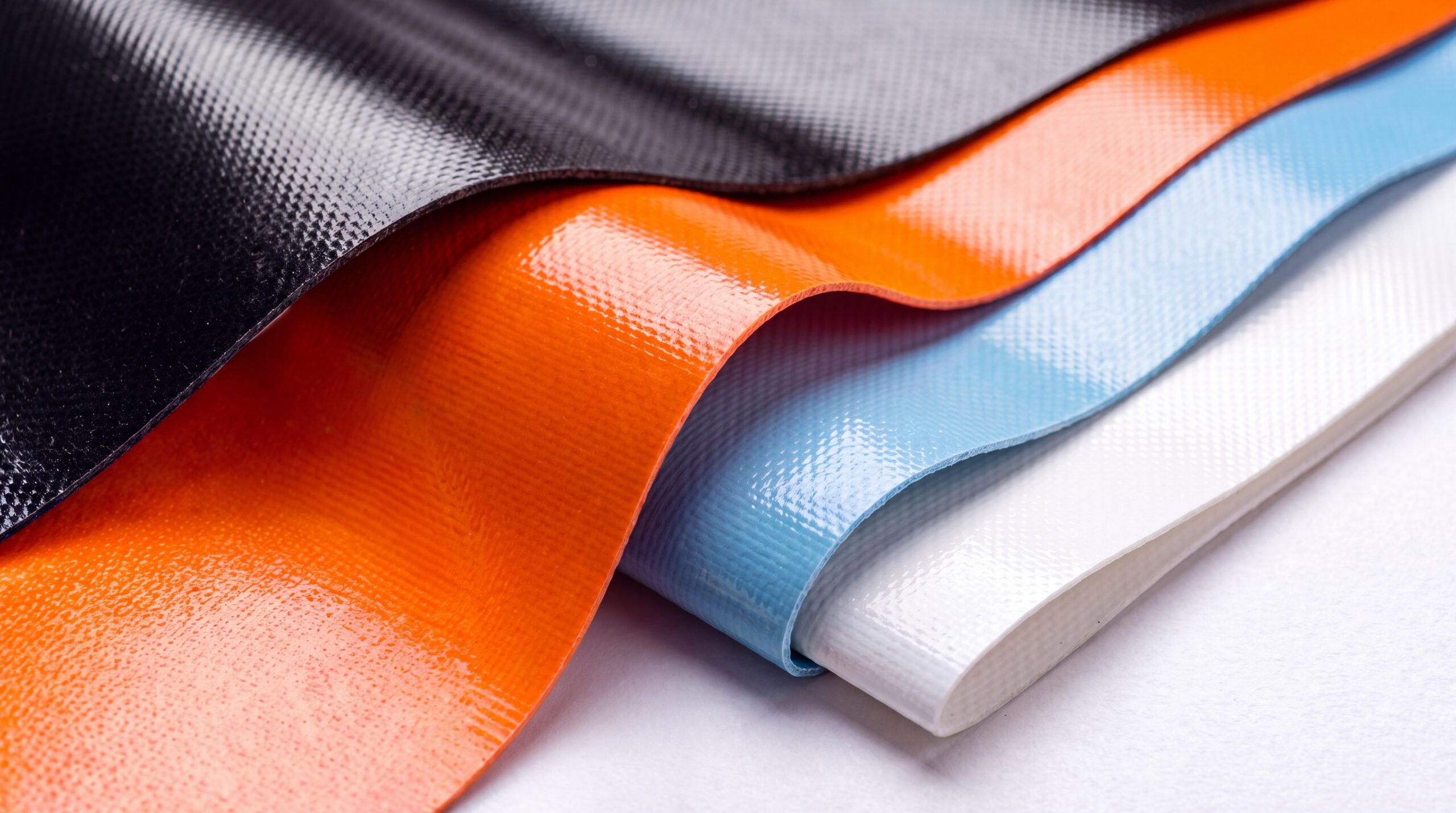
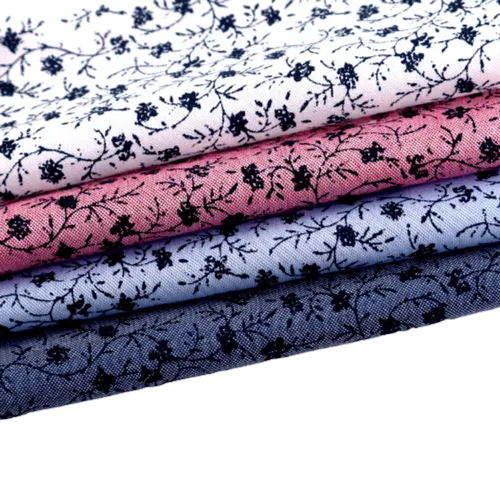
Fabric finishing is an important stage in textile manufacturing because it helps determine how a material looks, feels, and performs during everyday use. After weaving, knitting, dyeing, or printing, fabrics may undergo additional treatments to improve their surface characteristics and functional properties. These treatments can enhance softness, reduce friction, improve handling, and prepare textiles for specific applications. Among the materials used in selected finishing and processing operations, wax plays a valuable supporting role.
Textile Wax refers to wax-based materials used in textile manufacturing for purposes such as lubrication, surface treatment, processing assistance, and specialized finishing. Depending on its composition and application, it can help improve yarn movement, reduce friction between textile components, and modify the surface feel of certain fabrics. Understanding its functions and selection requirements helps textile manufacturers achieve more consistent production results.
What Is Textile Wax?
Textile wax is a specialized wax material used during different stages of textile production. It may be formulated from natural waxes, synthetic waxes, or combinations designed to provide specific processing characteristics.
Unlike ordinary household wax, textile-grade wax is selected according to its compatibility with fibers, machinery, chemicals, and production conditions. Its formulation can influence melting behavior, hardness, lubrication properties, and surface interaction.
Common applications include:
- Lubricating yarns during spinning and processing.
- Reducing friction between textile components and machinery.
- Supporting smoother yarn movement during knitting and weaving.
- Providing selected surface finishes to textile materials.
- Helping improve handling characteristics in specialized applications.
The correct wax depends on the textile process and the performance requirements of the finished product.
Why Wax Is Used in Textile Manufacturing
Textile production involves repeated contact between fibers, yarns, machine components, and processing surfaces. Excessive friction can contribute to yarn breakage, uneven movement, and production interruptions.
Wax-based materials can help manage these conditions when appropriately formulated and applied.
Reducing Friction During Processing
One of the important functions of textile wax is lubrication. It can create a thin lubricating layer that reduces friction between yarns and machine components.
This may help minimize mechanical stress during high-speed operations and support smoother production.
Improving Yarn Handling
Yarns must move consistently through different stages of textile manufacturing. Suitable wax treatments can improve surface handling characteristics and help reduce problems associated with excessive friction.
This is particularly relevant in processes where yarns pass through guides, needles, and other equipment.
Supporting Production Consistency
Uncontrolled friction can contribute to variations in yarn tension and processing behavior. Proper lubrication helps manufacturers maintain more stable operating conditions.
The effectiveness depends on the application method, wax formulation, and compatibility with the production process.
Different Types of Textile Wax
Manufacturers use different wax categories depending on their chemical properties and intended applications.
Natural Waxes
Natural waxes are obtained from plant or animal sources. Their properties vary according to their origin and processing method.
They may be used in selected formulations where particular melting, hardness, or surface characteristics are required.
Synthetic Waxes
Synthetic waxes are manufactured through controlled chemical processes. They can be designed to provide consistent specifications, including melting ranges, hardness, and lubrication performance.
Their predictable properties make them useful in specialized industrial formulations.
Paraffin-Based Waxes
Paraffin waxes are petroleum-derived materials used in certain textile processing and finishing applications. Their suitability depends on melting behavior, formulation, and compatibility with the production process.
Emulsified Waxes
Wax emulsions contain finely dispersed wax particles in a liquid system. They can be applied using suitable textile finishing equipment and are useful where controlled distribution across a fabric surface is required.
The formulation must be selected according to the fabric type and finishing objectives.
Applications of Textile Wax Across Production Stages
Textile wax can serve different purposes throughout manufacturing, depending on the type of material and processing requirements.
Yarn Spinning
During yarn production, fibers are converted into continuous strands through mechanical operations. Suitable lubrication can help reduce friction and improve the movement of fibers through processing equipment.
This can support more stable operation and help reduce certain forms of mechanical stress.
Knitting Operations
Knitting involves repeated interaction between yarns and machine needles. Excessive friction may affect yarn movement and contribute to breakage.
Appropriate yarn lubrication can improve handling and support consistent knitting performance.
Weaving Processes
During weaving, warp and weft yarns interact under mechanical tension. Specialized processing lubricants may help reduce friction and improve yarn movement through selected production stages.
The choice of wax or lubricant depends on the machinery, yarn specification, and subsequent fabric treatments.
Fabric Finishing
Certain wax-based formulations are used in finishing processes to modify surface characteristics. Depending on the product, they may contribute to a smoother feel, a distinctive surface appearance, or selected protective effects.
The formulation must be compatible with the textile and the intended end use.
Benefits of Using Textile Wax
When properly selected and applied, textile wax can offer several practical benefits for manufacturers.
Improved Lubrication
Wax-based lubricants can reduce friction during yarn processing and help maintain smoother movement through machinery.
Reduced Yarn Damage
Lower friction may help minimize abrasion and mechanical stress, reducing the risk of certain yarn-related production problems.
Better Machine Operation
Appropriate lubrication can support stable equipment performance and help reduce interruptions associated with excessive friction.
More Consistent Processing
Stable yarn movement and controlled friction can contribute to more predictable production conditions.
Specialized Surface Effects
Selected wax finishes can modify the feel and appearance of certain fabrics, supporting specific product requirements.
It is important to distinguish between these potential benefits and guaranteed results. Performance depends on the formulation, dosage, application conditions, and textile construction.
How to Select the Right Textile Wax
Choosing an appropriate wax requires understanding both the manufacturing process and the properties of the material being treated.
Consider these factors before purchasing:
- Application purpose: Determine whether the wax is intended for yarn lubrication, machine processing, or fabric finishing.
- Fiber compatibility: Check whether the formulation is suitable for polyester, cotton, or blended materials.
- Melting point: Select a melting range that matches the production temperature and operating conditions.
- Lubrication performance: Evaluate its ability to reduce friction without creating unwanted deposits.
- Application method: Confirm whether the product is suitable for spraying, coating, emulsifying, or another process.
- Washability: Consider whether the wax must be removed during later washing or pretreatment stages.
- Chemical compatibility: Ensure that it does not interfere with dyes, printing inks, or other finishing chemicals.
- Supplier consistency: Choose products with reliable specifications and appropriate technical documentation.
Testing the wax under actual production conditions is recommended before introducing it into large-scale operations.
Best Practices for Applying Textile Wax
Correct application is essential for achieving the desired processing results. Excessive or uneven wax application may create problems such as residue buildup, inconsistent finishing, or interference with later treatments.
Manufacturers should follow several practical guidelines:
- Prepare the yarn or fabric according to the selected process.
- Use the recommended application quantity.
- Maintain consistent application conditions.
- Monitor temperature where the formulation requires controlled heating.
- Check treated materials for uneven deposits or unwanted surface changes.
- Evaluate compatibility with subsequent dyeing, printing, and finishing operations.
- Clean equipment regularly to prevent accumulated residues.
Production trials and routine quality checks help establish suitable application parameters.
Quality Control and Performance Testing
Textile wax should be evaluated according to its intended function. A product used for yarn lubrication may require different testing from one designed for fabric surface finishing.
Relevant evaluation methods may include:
- Melting point testing: Determines the temperature range at which the wax softens or melts.
- Viscosity assessment: Helps evaluate flow and application behavior where relevant.
- Lubricity testing: Examines friction reduction during processing.
- Residue inspection: Checks whether unwanted deposits remain on yarns or fabrics.
- Compatibility testing: Determines whether the wax affects subsequent textile treatments.
- Surface evaluation: Assesses changes in fabric feel, appearance, and finishing quality.
Following appropriate testing procedures helps manufacturers maintain product consistency and avoid processing complications.
Environmental and Safety Considerations
The use of textile wax requires attention to chemical handling, workplace safety, and environmental management. Different formulations may have different handling requirements, so manufacturers should review technical data sheets and safety documentation before use.
Important practices include maintaining appropriate ventilation, using suitable protective equipment, and following recommended storage conditions.
Wastewater management is also relevant when wax formulations are removed during textile washing or pretreatment. Manufacturers should ensure that their processes comply with applicable environmental requirements and use suitable treatment systems.
There is growing interest in wax formulations that support more efficient processing and improved environmental performance. However, environmental suitability should be evaluated using product-specific information rather than assumed from the wax’s source alone.
Future Developments in Textile Wax Technology
Textile processing continues to evolve as manufacturers seek more consistent production, lower friction, and improved resource efficiency. Advances in wax formulation are helping suppliers develop products with more controlled melting behavior, application characteristics, and compatibility with modern textile machinery.
There is also increasing attention on water-based emulsions and formulations designed to reduce unwanted residues during processing. These developments may help manufacturers improve application control and simplify selected finishing operations.
As textile machinery becomes more automated, reliable lubrication and finishing materials will remain important for maintaining efficient production conditions.
Conclusion
Textile wax plays a useful role in fabric processing and selected finishing operations by helping manage friction, improve yarn handling, and modify textile surface characteristics. Its applications can extend across spinning, knitting, weaving, and specialized fabric treatments, depending on the formulation and manufacturing requirements.
Selecting the right product involves evaluating fiber compatibility, melting behavior, lubrication performance, application methods, and interactions with later processing stages. With appropriate testing, controlled application, and regular quality checks, textile manufacturers can use wax-based materials to support smoother operations and consistent product quality.