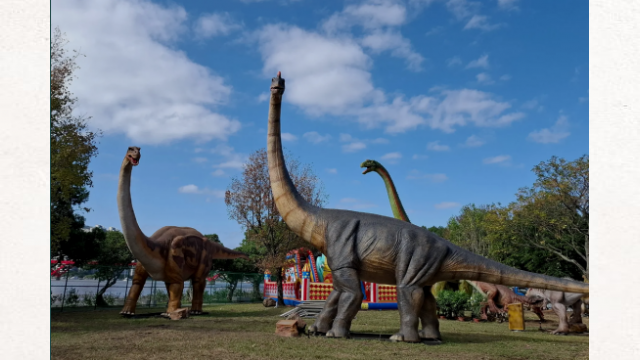
Dinosaurs continue to capture the imagination of people of all ages. Their enormous size, unusual physical features, and mysterious history make them fascinating subjects for museums, educational exhibitions, theme parks, and outdoor attractions. While photographs and fossil displays provide valuable information, large-scale dinosaur models offer visitors a more immediate sense of what these prehistoric animals may have looked like. Their impressive dimensions and realistic details can transform an ordinary exhibition into an engaging journey through ancient environments.
A carefully designed Lifesize Dinosaur model recreates the scale and appearance of a prehistoric creature, helping visitors visualize its physical presence. Depending on the design, it may feature detailed skin textures, accurate body proportions, painted markings, and even mechanical movements. When placed within a thoughtfully arranged environment, these models can create memorable experiences that combine visual entertainment, scientific learning, and interactive exploration.
What Are Life-Size Dinosaur Models?
Life-size dinosaur models are large sculptures designed to represent prehistoric animals at dimensions based on scientific reconstructions or creative interpretations. They may depict well-known species such as Tyrannosaurus rex, Triceratops, Stegosaurus, and Brachiosaurus.
Unlike small decorative figures, these models are intended to create a strong sense of scale. A full-sized dinosaur display allows visitors to appreciate the height, length, and physical structure of creatures that existed millions of years ago.
Models are available in different configurations, including:
- Static dinosaur sculptures: Designed primarily for visual displays and educational environments.
- Animatronic dinosaurs: Equipped with mechanical systems that create programmed movements and sounds.
- Outdoor dinosaur figures: Constructed with materials and finishes suitable for exterior installations.
- Interactive exhibition models: Incorporated into displays with visitor activities, lighting, or digital learning features.
The appropriate type depends on the attraction’s purpose, available space, budget, and intended visitor experience.
How Realistic Details Improve the Visitor Experience
A convincing dinosaur model needs more than impressive dimensions. Its appearance should communicate the animal’s distinctive physical characteristics while fitting naturally into the surrounding exhibition.
Accurate Body Proportions
The proportions of a dinosaur influence how visitors recognize and understand its anatomy. A T-Rex, for example, is associated with a large skull, powerful hind legs, short forelimbs, and a long tail. A Brachiosaurus is recognizable for its long neck and enormous body.
Manufacturers use scientific references, fossil reconstructions, and artistic interpretation to develop these shapes. Since some aspects of dinosaur appearance remain uncertain, models may vary according to the evidence and creative approach used.
Detailed Skin Textures
Surface texture adds depth and realism to large dinosaur sculptures. Manufacturers may reproduce scales, wrinkles, folds, and other skin patterns using sculpting and molding techniques.
These details become especially noticeable when visitors view the model from close range. A carefully finished exterior can make a large sculpture feel more lifelike.
Naturalistic Colors and Patterns
Color selection helps establish the dinosaur’s overall appearance. Although the exact colors of most dinosaur species are not known, designers can use artistic interpretations informed by scientific research into animal coloration and fossil evidence.
Consistent paint application and protective coatings also help maintain the model’s appearance over time.
Expressive Facial Features
The head is often the focal point of a dinosaur display. Carefully shaped eyes, nostrils, teeth, jaws, and other facial details help communicate the animal’s character.
For animatronic models, moving jaws, blinking eyes, and head movements can create an additional sense of realism.
Why Museums Use Life-Size Dinosaur Displays
Museums play an important role in introducing visitors to natural history and scientific discoveries. Large dinosaur models can complement fossil collections and educational information by giving visitors a more accessible representation of prehistoric animals.
Making Dinosaur Size Easier to Understand
Fossils provide important evidence about dinosaur anatomy, but it can be difficult for visitors to imagine the original animal’s dimensions from individual bones.
A full-scale reconstruction helps communicate the relationship between different body parts and gives visitors a clearer understanding of the animal’s overall size.
Supporting Scientific Education
Dinosaur models can be placed alongside fossil replicas, diagrams, and information panels. Educators can use these displays to explain topics such as:
- Dinosaur classification and evolutionary history.
- Skeletal structures and body proportions.
- Feeding habits and physical adaptations.
- Differences between herbivorous and carnivorous dinosaurs.
- Fossil discovery and paleontological research.
- Prehistoric habitats and ecosystems.
This combination of physical displays and educational content can make complex subjects easier to explore.
Encouraging Curiosity Among Children
Large dinosaur sculptures often attract children’s attention immediately. Their impressive appearance can encourage questions about prehistoric life, animal behavior, and scientific discoveries.
Museums can build on this interest through guided tours, activity sheets, interactive screens, and supervised learning programs.
Creating Memorable Exhibition Spaces
A large dinosaur model can become the central feature of a museum gallery. Its scale creates a strong visual focal point and helps organize the surrounding exhibition.
Additional displays can introduce related species, fossil discoveries, and environmental information, creating a connected learning experience.
How Outdoor Dinosaur Parks Benefit from Large Models
Outdoor dinosaur parks use large-scale sculptures to create themed environments where visitors can explore prehistoric scenes. These attractions combine visual displays, landscaping, walking routes, and educational activities.
Building Prehistoric Landscapes
A dinosaur park can use artificial rocks, trees, plants, and terrain features to create the impression of an ancient environment. Models can be arranged to suggest different habitats or imagined interactions between prehistoric animals.
The surrounding scenery should support the dinosaur display without obstructing visitors’ views or access routes.
Creating Walking Trails
Large dinosaur figures can be placed along designated paths, allowing visitors to discover different species as they move through the park.
Each stop can include an information panel explaining the dinosaur’s name, estimated dimensions, diet, geological period, and notable physical features.
Improving Photography Opportunities
Life-size dinosaurs create distinctive backdrops for family photographs and group visits. Their large dimensions and recognizable shapes make them popular features for visitors who want to document their experience.
Designated photo areas can help manage visitor movement and prevent people from approaching restricted parts of a display.
Supporting Family Entertainment
Outdoor dinosaur parks can combine sculptures with playgrounds, educational activities, picnic areas, and themed events. This variety helps attract families who want both entertainment and opportunities to learn.
Seasonal programs and guided activities can also encourage repeat visits.
Static Versus Animatronic Dinosaur Models
One of the most important decisions when planning a dinosaur exhibition is whether to use static sculptures or animatronic models. Both options offer distinct benefits.
Static Dinosaur Sculptures
Static models focus on appearance, scale, and durability. They can be designed in complex poses and installed in locations where continuous movement is unnecessary.
Common advantages include:
- Fewer mechanical components.
- Straightforward operating requirements.
- Flexible positioning and display arrangements.
- Suitability for permanent indoor and outdoor exhibitions.
- Opportunities for highly detailed sculptural finishes.
They are particularly useful for attractions that prioritize visual education and large-scale decorative displays.
Animatronic Dinosaur Models
Animatronic models include mechanical and electronic systems that produce movement. Depending on their design, they may move their heads, jaws, tails, or other body parts.
Some models also feature synchronized sound effects and programmed performance sequences.
These features can make exhibitions more dynamic, although animatronic systems generally require additional maintenance, electrical planning, and technical support.
Combining Both Types
Many exhibitions can benefit from using static and animatronic models together. Static sculptures establish the scale of the prehistoric environment, while moving figures provide focal points that attract attention.
This approach creates variety without requiring every dinosaur in the exhibition to have a complex mechanical system.
Materials and Manufacturing Processes
The construction materials used for life-size dinosaur models influence their weight, durability, appearance, and suitability for different environments.
Fiberglass Construction
Fiberglass is widely used for large decorative sculptures because it can be molded into complex shapes while maintaining a relatively manageable weight.
It also supports detailed surface finishing and can be combined with suitable protective coatings for outdoor applications.
Resin and Composite Materials
Resin and other composite materials may be used for particular components, surface details, and sculptural sections.
Their suitability depends on the required strength, flexibility, weight, and exposure conditions.
Metal Support Structures
Large dinosaur models often require internal metal frameworks to support their weight and maintain structural stability.
The framework should be engineered according to the sculpture’s dimensions, shape, installation location, and environmental conditions.
Sculpting, Molding, and Painting
The manufacturing process commonly involves creating an initial design, developing a full-scale structure, forming exterior sections, and applying detailed surface finishes.
Painting adds the final visual characteristics, including skin coloration, patterns, shadows, and facial details. Protective finishes may then be applied to help preserve the exterior.
Important Factors When Choosing a Life-Size Dinosaur Model
Selecting a large dinosaur sculpture requires careful planning. Buyers should consider the intended display environment and how visitors will interact with the model.
Dinosaur Species and Design
Choose a species that supports the exhibition’s theme. A museum focused on large carnivorous dinosaurs may prioritize T-Rex models, while a broader prehistoric park may include herbivores and other species for variety.
The pose should also suit the available space and intended viewing angles.
Dimensions and Installation Space
Large models require sufficient room for transportation, assembly, installation, and visitor circulation.
Before purchasing, measure the display area and consider ceiling height, access routes, foundations, nearby structures, and viewing distance.
Material Quality
Ask about the exterior materials, internal support structure, protective coatings, and expected maintenance requirements.
Outdoor models should be designed for the environmental conditions in which they will operate.
Level of Realism
Review the quality of sculpting, anatomical proportions, textures, paintwork, and finishing details.
For educational environments, it is useful to understand which features are based on scientific evidence and which represent artistic interpretation.
Movement and Additional Features
If an animatronic model is required, identify the essential movement functions and sound features. Buyers should also consider power requirements, control systems, inspection needs, and technical support.
Transportation and Installation
Large sculptures may require specialized transportation and professional installation. Confirm whether the supplier provides assembly guidance, mounting specifications, and installation support.
Outdoor Installation and Weather Protection
Outdoor dinosaur displays are exposed to environmental conditions that can affect their appearance and structural performance. Proper installation planning helps reduce long-term maintenance problems.
Important considerations include:
- Weather-resistant exterior finishes.
- UV protection to limit paint fading.
- Corrosion-resistant structural components.
- Stable foundations and suitable anchoring.
- Appropriate drainage around the installation.
- Protection of electrical systems on animatronic models.
- Regular inspections after severe weather.
The level of protection should match the local climate and the materials used in construction.
For public attractions, the installation should also account for visitor safety, including adequate spacing, stable mounting, and restricted access to mechanical components where necessary.
Maintaining Life-Size Dinosaur Models
Routine maintenance helps preserve the appearance and reliability of dinosaur displays.
For static sculptures, maintenance may involve cleaning, checking surface finishes, repairing cracks, and inspecting structural supports.
For animatronic models, additional checks may be needed for motors, gears, electrical wiring, sensors, control systems, and moving joints.
A practical maintenance routine should include:
- Inspecting the exterior for cracks, scratches, and fading.
- Cleaning surfaces with manufacturer-approved products.
- Checking mounting points and foundations.
- Examining protective coatings and exposed structural components.
- Testing mechanical functions on animatronic models.
- Reviewing electrical connections and control equipment.
- Recording repairs and scheduled inspections.
Following manufacturer recommendations helps extend the model’s useful life and supports consistent presentation.
Enhancing Dinosaur Displays with Interactive Technology
Modern exhibitions can combine physical dinosaur models with digital tools to provide additional educational value.
Touchscreens can introduce information about different species, while audio guides explain the animal’s characteristics and geological history. Augmented reality experiences may allow visitors to view digital reconstructions alongside physical sculptures.
Other possible additions include:
- Interactive dinosaur identification games.
- Digital maps of prehistoric habitats.
- Short educational videos.
- Guided audio presentations.
- Motion-triggered sound effects.
- Photography stations with themed backgrounds.
These features should complement the physical models rather than overwhelm the exhibition. A balanced design gives visitors time to appreciate the sculptures while exploring additional information.
Why Life-Size Dinosaur Models Are a Valuable Attraction Investment
Large dinosaur displays can provide long-term value for museums, theme parks, educational centers, and outdoor attractions.
Their recognizable appearance can attract visitors, create memorable photo opportunities, and establish a strong visual identity for a venue. They can also be incorporated into different activities, including school visits, family events, guided tours, and seasonal exhibitions.
Static models generally offer simpler operating requirements, while animatronic versions can provide more dynamic experiences. The right investment depends on the venue’s audience, available budget, maintenance capacity, and exhibition objectives.
When supported by thoughtful design and suitable educational content, life-size dinosaur models can remain important features of an attraction for many years.
Conclusion
Life-size dinosaur models create immersive prehistoric experiences by combining impressive scale, realistic sculptural details, and carefully planned exhibition environments. In museums, they help visitors understand dinosaur anatomy and scientific discoveries. In outdoor parks, they transform landscapes into themed attractions that encourage exploration, photography, and family activities.
Choosing the right model involves evaluating its species, dimensions, materials, construction quality, installation requirements, and maintenance needs. Whether static or animatronic, a well-designed dinosaur display can become a memorable centerpiece that connects entertainment with education and encourages lasting curiosity about prehistoric life.