Custom LED neon signs have become an increasingly popular way to transform creative ideas into attractive lighting displays. Businesses use them to showcase logos and promotional messages, while homeowners incorporate personalized designs into their living spaces. Their flexible construction, vibrant colors, and modern appearance make them suitable for a wide range of decorative and commercial applications.
Turning an initial concept into a finished illuminated product requires creativity, technical expertise, and careful manufacturing. Professional LED neon sign manufacturers combine digital design tools, specialized materials, and precise production techniques to develop displays that match individual requirements. Understanding how LED Neon Sign Manufacturers approach this process provides useful insight into the technology and craftsmanship behind customized lighting solutions.
Understanding the Customer’s Creative Vision
Every custom lighting project begins with an idea. Some customers have a complete design ready, while others need assistance developing a concept that suits their intended space or purpose.
Manufacturers first gather information about the project to understand its visual and functional requirements.
Important details generally include:
- The purpose and intended location of the sign.
- Preferred colors and lighting effects.
- Required dimensions and overall shape.
- Text, logos, symbols, or decorative graphics.
- Installation preferences and available mounting space.
Understanding these requirements helps establish a clear direction for the design process. It also allows manufacturers to identify technical limitations before production begins.
Transforming Ideas into Digital Designs
Once the initial requirements are understood, designers convert the concept into a digital layout. Design software helps create accurate representations of letters, shapes, graphics, and lighting arrangements.
This stage is particularly important because the design must be visually appealing and suitable for fabrication.
Digital design tools allow manufacturers to:
- Adjust lettering styles and spacing.
- Experiment with different color combinations.
- Calculate dimensions and proportions.
- Plan tubing paths and bending points.
- Preview the appearance of the finished display.
Customers can review the proposed design and request modifications before approving production. This reduces misunderstandings and helps ensure that the final sign reflects the original concept.
Selecting the Right LED Neon Materials
Material selection has a direct influence on the appearance, flexibility, and durability of customized displays.
Modern LED neon signs generally use several components that work together to produce the desired lighting effect.
Flexible LED Strips
LED strips provide the actual illumination. Their brightness, color output, and electrical specifications determine important characteristics of the finished sign.
Silicone and PVC Tubing
Flexible tubing surrounds the LED components and helps distribute light evenly. It also allows manufacturers to create curves, letters, and decorative shapes.
Silicone is commonly selected for its flexibility and material properties, while PVC is another option used in certain lighting designs.
Acrylic Backing
Acrylic backing provides structural support and helps maintain the intended shape of the display. It can be cut into different sizes and configurations depending on the design.
Electrical Accessories
Power supplies, connectors, and wiring ensure that the lighting components receive compatible electrical power. These accessories must be selected according to the sign’s requirements.
Choosing suitable materials helps transform creative designs into functional lighting products.
Creating Custom Shapes and Lettering
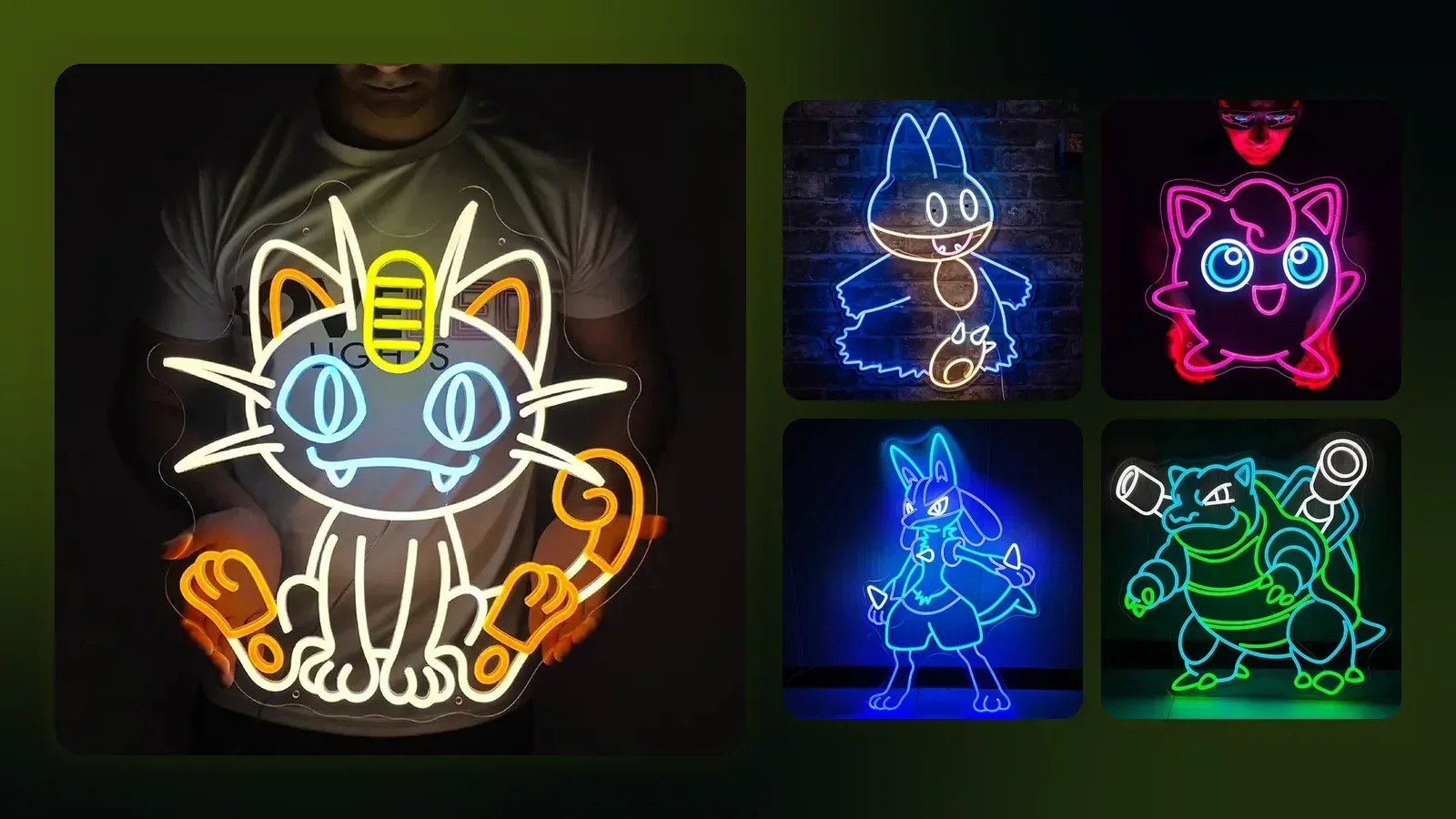
One of the most interesting aspects of LED neon manufacturing is the ability to reproduce different shapes and lettering styles.
Flexible tubing can follow a wide variety of curves, making it possible to create business names, decorative symbols, illustrations, and personalized messages.
However, not every digital design can be reproduced exactly as shown. Extremely narrow spaces, sharp angles, and complicated details may require adjustments.
Manufacturers consider tubing flexibility, minimum bending requirements, and the readability of the finished design before confirming the production layout.
This balance between creativity and technical practicality helps produce cleaner and more attractive displays.
Precision Cutting and Fabrication
After the design is approved, the manufacturing team prepares the materials according to the production specifications.
LED strips are measured and cut at their designated cutting points. The flexible tubing is also prepared to match the dimensions and shape of the artwork.
The acrylic backing is cut using suitable fabrication equipment to reproduce the required outline.
Accuracy is essential during this stage because small measurement errors can affect the alignment of letters, the spacing between elements, and the overall appearance of the finished sign.
Careful preparation also reduces material waste and unnecessary production adjustments.
Assembling the Customized Lighting Display
Assembly brings the individual components together to create the finished product.
Workers position the shaped LED tubing on the acrylic backing according to the approved digital template. Suitable mounting clips, adhesives, or other attachment methods are used depending on the construction.
The lighting elements must be aligned properly to maintain consistent spacing and a balanced appearance.
During assembly, manufacturers also inspect the connections between different lighting sections and ensure that the components are securely attached.
This stage requires attention to detail because the final visual quality depends heavily on accurate positioning and clean workmanship.
Adding Colors and Lighting Effects
Color selection is one of the most important parts of customized neon sign production. It helps determine the mood, visibility, and overall character of the display.
Different colors can create different visual impressions. Warm shades such as red, orange, and yellow often produce an energetic appearance, while blue, green, and purple can create a cooler or more contemporary atmosphere.
Some LED neon systems also support additional lighting features, including:
- Multiple color configurations.
- Adjustable brightness.
- Remote-controlled operation.
- Programmable lighting patterns.
- Selected flashing or transition effects.
The availability of these features depends on the LED system and control components used in the design.
For commercial displays, color choices should also consider brand guidelines and the surrounding interior or exterior environment.
Integrating Electrical Components
A customized LED neon sign needs a properly designed electrical system to operate reliably.
Manufacturers install suitable wiring, connectors, and power supplies according to the total electrical requirements of the display.
The power supply must match the LED configuration and provide the required voltage. Connections should also be properly secured and insulated.
Incorrect electrical matching can cause flickering, inconsistent illumination, or premature component failure.
For this reason, electrical installation is an essential technical stage rather than simply an additional assembly task.
Testing the Finished Design
Before packaging, the completed sign should undergo functional and visual inspection.
Manufacturers power on the display to confirm that the lighting components operate correctly and that the finished product matches the approved design.
Testing commonly focuses on:
Brightness consistency: Checking that all sections produce balanced illumination.
Color accuracy: Confirming that the selected colors appear as intended.
Electrical performance: Inspecting wiring, connectors, and power supply operation.
Structural quality: Checking the acrylic backing, tubing attachments, and mounting points.
Overall appearance: Identifying visible defects, uneven spacing, or damaged components.
These inspections help identify problems before the product reaches the customer.
Custom Displays for Different Applications
The flexibility of LED neon technology allows manufacturers to create displays for many industries and personal settings.
Business Branding
Retail stores, offices, and commercial establishments use illuminated logos and business names to reinforce brand recognition.
Restaurants and Cafes
Custom lettering, decorative graphics, and themed messages help restaurants create distinctive interior environments.
Events and Celebrations
Weddings, exhibitions, birthday parties, and corporate functions often feature personalized neon displays that complement specific themes.
Residential Decoration
Homeowners use custom signs in bedrooms, gaming rooms, entertainment areas, and home offices to express personal interests and design preferences.
Hospitality and Entertainment
Hotels, lounges, and entertainment venues incorporate LED neon lighting into reception areas, feature walls, and decorative installations.
Each application may require different materials, dimensions, brightness levels, and installation arrangements.
The Importance of Customer Collaboration
Successful custom manufacturing depends on clear communication between customers and production teams.
Customers should have opportunities to review designs, confirm measurements, discuss material options, and approve important specifications before manufacturing begins.
This collaboration helps prevent unnecessary revisions and ensures that the final product meets the intended requirements.
Manufacturers can also provide technical recommendations when certain design elements need modification to improve readability, lighting consistency, or structural stability.
Clear communication throughout the process makes custom projects easier to manage.
Packaging and Preparing Products for Delivery
After final inspection, the sign is prepared for transportation.
Because LED neon displays may contain delicate acrylic surfaces and flexible lighting components, suitable packaging is necessary to protect them against scratches, pressure, and accidental impacts.
Manufacturers generally use protective wrapping, cushioning materials, and appropriately sized packaging to reduce movement during shipping.
Electrical accessories should also be packed securely to prevent damage to connectors and wiring.
For international shipments, proper packaging becomes especially important because products may pass through multiple handling and transportation stages.
Future Developments in Customized LED Neon Displays
Advancements in lighting technology continue to expand the possibilities for custom LED neon manufacturing.
Improved LED components, flexible materials, and digital fabrication tools are helping manufacturers create increasingly detailed designs with better production accuracy.
Smart lighting controls are also becoming more common. Depending on the system, users may be able to adjust brightness, change colors, or control lighting effects through remote controls and mobile applications.
These developments are creating new opportunities for businesses and individuals seeking personalized lighting solutions that combine decorative appeal with modern functionality.
Conclusion
Turning creative designs into customized LED neon displays involves several interconnected stages, including concept development, digital planning, material selection, fabrication, assembly, and quality testing.
Each stage contributes to the appearance, functionality, and reliability of the finished sign. By combining creative thinking with modern manufacturing techniques, professional manufacturers can transform personalized ideas into practical illuminated displays.
Whether intended for business branding, interior decoration, special events, or residential use, custom LED neon signs offer flexible design possibilities. Understanding the manufacturing process helps buyers make informed decisions and develop lighting solutions that meet their specific visual and practical requirements.