Safe drinking water is essential for public health, community development, and reliable water supply operations. Water obtained from rivers, reservoirs, wells, and other sources may contain bacteria, viruses, and other microorganisms that require effective treatment before consumption. Disinfection is therefore a critical stage in drinking water production, helping reduce microbial risks and maintain water quality throughout distribution.
Sodium dichloroisocyanurate (SDIC) is a chlorine-based disinfectant used in certain water treatment applications. When evaluating Sdic For Drinking Water, water treatment operators should consider regulatory approval, available chlorine content, product purity, dissolution behavior, and the quality documentation provided by the manufacturer. Importantly, only SDIC products specifically authorized for drinking water treatment should be used for this purpose, and their application must follow the relevant standards and approved operating procedures.
1. Understanding SDIC in Drinking Water Disinfection
Sodium dichloroisocyanurate is a chlorine-releasing compound that dissolves in water and provides available chlorine for disinfection. Its oxidizing action can help inactivate susceptible microorganisms when the product is used under suitable conditions.
In drinking water treatment, disinfection is generally performed after processes such as coagulation, sedimentation, and filtration. These earlier stages reduce suspended particles and contaminants that may interfere with disinfectant performance.
SDIC may be used in approved applications where its formulation and treatment method meet local drinking water requirements. Product suitability must be confirmed before use because not every industrial or general-purpose SDIC formulation is appropriate for water intended for human consumption.
2. Why Drinking Water Disinfection Standards Matter
Drinking water standards establish requirements for microbiological safety and chemical quality. They help ensure that treatment processes reduce health risks without introducing unacceptable levels of chemical contaminants.
Regulatory requirements vary by country and jurisdiction. Water suppliers should consult the applicable national drinking water standards, public health regulations, and product approval requirements before selecting a disinfectant.
Microbiological Safety
Drinking water may contain disease-causing microorganisms if source water is contaminated by sewage, animal waste, or environmental runoff.
Disinfection helps control microbial hazards and provides an additional protective barrier after physical treatment.
Chemical Safety
A disinfectant must be effective without creating unacceptable chemical exposure. Drinking water treatment therefore requires control of disinfectant concentrations, relevant reaction by-products, and any impurities associated with the treatment product.
Consistent Treatment Performance
Treatment facilities need a process that can deliver reliable disinfection under changing source water conditions.
Monitoring, process control, and documented operating procedures help maintain consistent water quality.
3. Key Factors Affecting SDIC Disinfection Performance
The effectiveness of SDIC depends on several water quality and operational conditions. A suitable treatment program must account for these variables rather than relying on a fixed chemical addition rate.
Available Chlorine Content
Available chlorine indicates the disinfecting capacity of the product. Different SDIC formulations may have different available chlorine specifications.
Operators should verify the declared concentration using the product label and batch Certificate of Analysis. Product quality should also be checked against the requirements of the applicable drinking water approval.
Water pH
Water pH affects chlorine chemistry and the balance between different active chlorine species.
Changes in pH can influence disinfection performance. For this reason, pH should be monitored during treatment and maintained within the operating range established by the approved process.
Water Temperature
Temperature can influence reaction rates and microbial inactivation. Seasonal changes in source water conditions may therefore affect treatment requirements.
Turbidity and Suspended Particles
Particles in untreated water can shield microorganisms from disinfectants or increase chemical demand.
Reducing turbidity through appropriate clarification and filtration before disinfection can improve treatment reliability.
Organic Matter
Natural organic matter and other contaminants can react with chlorine and affect the amount available for disinfection.
Organic matter may also contribute to the formation of disinfection by-products. Treatment facilities should therefore manage source water quality and monitor relevant by-products according to applicable regulations.
Contact Time
Disinfection depends on the relationship between disinfectant concentration and exposure time.
Treatment systems must provide sufficient contact under validated operating conditions. Poor mixing, short-circuiting, or inadequate contact tank design can compromise treatment performance.
4. Understanding Residual Disinfectant Requirements
A disinfectant residual can help protect treated water as it moves through storage tanks and distribution networks. However, the required residual depends on local regulations, water quality, and the selected treatment method.
Operators should distinguish between the disinfectant concentration added to the water and the residual measured after the required contact period.
Several factors influence residual levels:
- Initial disinfectant concentration
- Source water quality and chlorine demand
- Contact time and temperature
- pH and other chemical characteristics
- Storage and distribution conditions
- Reactions with organic and inorganic substances
Residual monitoring should be conducted using suitable test methods and calibrated equipment. Results must be interpreted according to the applicable drinking water requirements rather than treated as universal target values.
5. Drinking Water Quality Requirements for SDIC Products
Product quality is particularly important when a chemical is intended for drinking water treatment. Buyers should not assume that a product is suitable for potable water simply because it contains available chlorine.
Regulatory Approval
Confirm that the product is approved or otherwise permitted for drinking water treatment in the intended market. The applicable approval framework may specify requirements for composition, manufacturing quality, labeling, and use.
Purity and Impurity Limits
The product should meet relevant specifications for purity and controlled impurities. Depending on the applicable standard, buyers may need information about moisture, insoluble matter, and other chemical constituents.
Available Chlorine Specification
The available chlorine content should be clearly stated and supported by batch-specific quality documentation.
Certificate of Analysis
A Certificate of Analysis provides information about the tested batch and helps verify whether the product meets the agreed specifications.
Safety Data Sheet
The Safety Data Sheet explains the product’s hazards, handling precautions, storage requirements, and emergency measures.
Technical Documentation
Technical documentation should identify the product formulation, intended application, relevant quality standards, and limitations. Buyers should obtain clarification from the manufacturer when any specification or approval status is unclear.
6. SDIC Formulations and Their Handling Characteristics
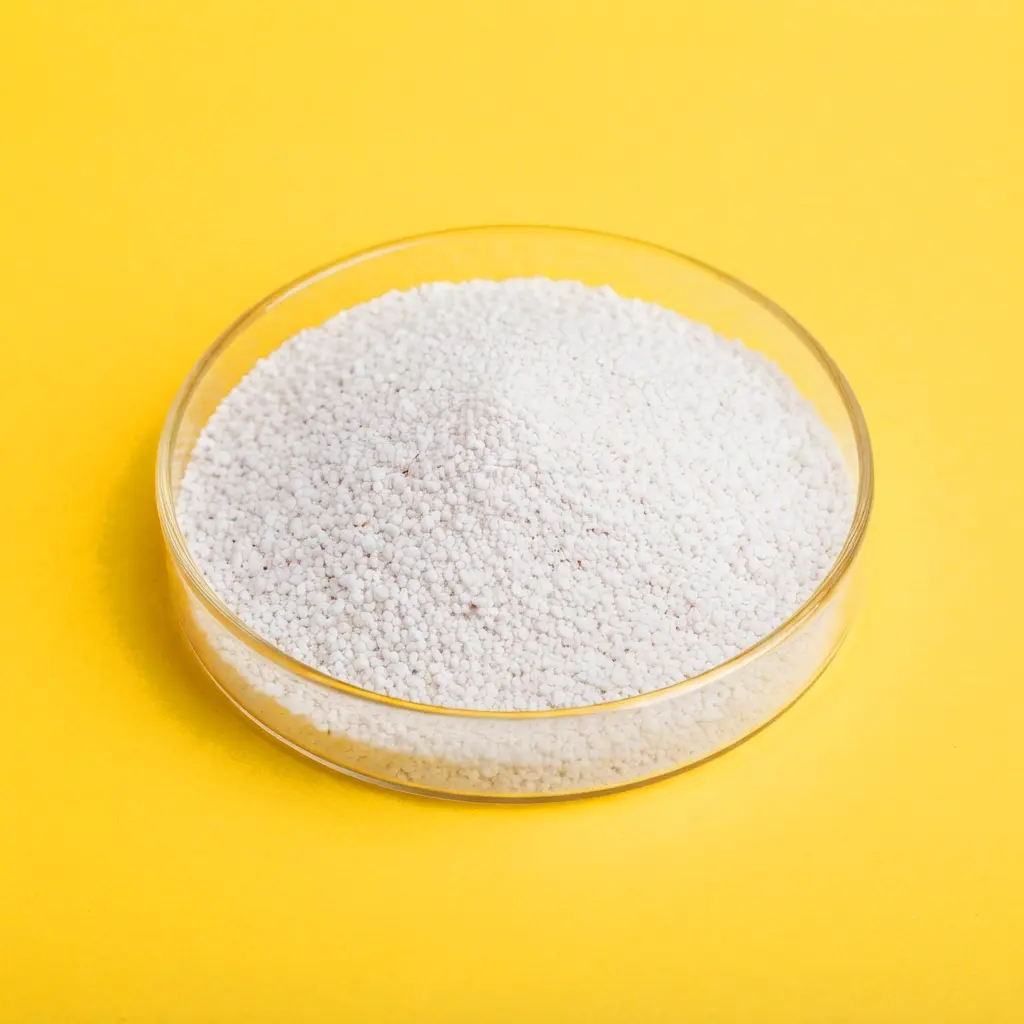
SDIC may be supplied in powder, granule, or tablet forms. The appropriate formulation depends on the approved treatment system, equipment design, handling requirements, and product specifications.
Powder Formulations
Powdered products may be suitable for treatment systems designed for controlled chemical preparation and feeding. Operators should consider dust exposure, moisture protection, dissolution procedures, and equipment compatibility.
Granular Formulations
Granules can offer convenient handling and may be compatible with certain dosing arrangements. Their dissolution characteristics and particle size should be evaluated against the treatment equipment and operating procedure.
Tablet Formulations
Tablets provide a compact format and can be useful in systems specifically designed for tablet-based disinfection. Dissolution rate and concentration control must be assessed to ensure that treatment remains consistent.
Regardless of the physical form, the product must be specifically suitable and authorized for drinking water treatment. Industrial-grade formulations should not be substituted for approved potable-water treatment products.
7. Monitoring and Quality Control During Treatment
Reliable drinking water disinfection requires routine monitoring at multiple stages of the treatment process.
Source Water Assessment
Before selecting a disinfectant, treatment operators should understand the source water’s microbiological condition, turbidity, pH, organic content, and other relevant characteristics.
Process Monitoring
During treatment, operators should monitor parameters that influence disinfection performance, including chemical feed, pH, contact conditions, and disinfectant residual.
Microbiological Testing
Routine microbiological testing helps determine whether the overall treatment process is achieving its required safety objectives.
Testing schedules and methods should follow applicable regulatory requirements.
Disinfection By-Product Monitoring
Chlorine-based disinfectants can react with naturally occurring organic matter and form disinfection by-products. The types and levels depend on water composition and treatment conditions.
Facilities should monitor regulated by-products where required and manage precursor compounds through suitable source water treatment and process control.
Recordkeeping
Accurate records of chemical batches, dosing operations, residual measurements, microbiological results, and corrective actions support quality assurance and regulatory compliance.
8. Safe Storage and Handling of SDIC
SDIC is an oxidizing chemical and must be handled with appropriate precautions. Safe storage and handling are essential for protecting personnel, preserving product quality, and preventing chemical incidents.
Recommended practices include:
- Review the product’s Safety Data Sheet before handling.
- Use suitable gloves, eye protection, and other specified personal protective equipment.
- Store the chemical in its original, properly sealed packaging.
- Keep it in a cool, dry, and well-ventilated location.
- Protect the product from moisture, heat, and contamination.
- Keep it separate from acids, ammonia, reducing agents, and incompatible materials.
- Never mix SDIC with other chemicals unless the procedure has been specifically approved.
- Provide appropriate training for personnel responsible for chemical preparation and feeding.
Storage areas should be managed according to the manufacturer’s instructions and applicable chemical safety regulations.
9. Common Mistakes in Drinking Water Disinfection
Errors in product selection and process management can affect both disinfection performance and water safety.
Using an unapproved product: A general-purpose or industrial SDIC product should not be assumed suitable for potable water. Regulatory approval and product specifications must be checked.
Relying on a fixed dosage: Water quality changes can alter disinfectant demand. Treatment conditions should be established through approved procedures and monitoring.
Ignoring turbidity: Suspended particles may interfere with effective disinfection. Appropriate clarification and filtration should be maintained.
Failing to monitor residuals: Without routine testing, operators cannot reliably confirm whether the intended disinfectant residual is being maintained.
Overlooking by-products: Chlorine reactions with organic matter can create disinfection by-products that may be subject to regulatory limits.
Neglecting storage conditions: Moisture and incompatible materials can affect product stability and create safety hazards.
Insufficient staff training: Personnel should understand chemical handling, dosing equipment, testing procedures, and emergency response requirements.
10. Best Practices for Selecting an SDIC Supplier
Choosing a suitable supplier is an important part of maintaining consistent drinking water treatment quality.
Before purchasing, water treatment facilities should evaluate:
- Whether the product is approved or permitted for the intended drinking water application.
- Whether the available chlorine content meets the required specification.
- Whether the manufacturer provides a batch-specific Certificate of Analysis.
- Whether the Safety Data Sheet and technical documentation are complete and current.
- Whether the product meets relevant purity and impurity requirements.
- Whether packaging protects the chemical during transportation and storage.
- Whether the supplier can maintain consistent quality across different batches.
- Whether technical support is available to clarify product characteristics and application limitations.
Price should be considered alongside product quality, regulatory suitability, documentation, and supply reliability.
Conclusion
SDIC can serve as a chlorine-based disinfectant in drinking water treatment when the specific product is approved for potable-water applications and used under an appropriate, validated treatment process. Its performance depends on available chlorine content, pH, turbidity, organic matter, temperature, contact time, and other water quality conditions.
Successful drinking water disinfection requires more than choosing a chemical with a suitable chlorine specification. Treatment facilities must verify regulatory compliance, monitor disinfectant residuals, assess microbiological quality, manage disinfection by-products, and maintain accurate operating records. Careful product selection and consistent process control help support safe and reliable drinking water supplies.