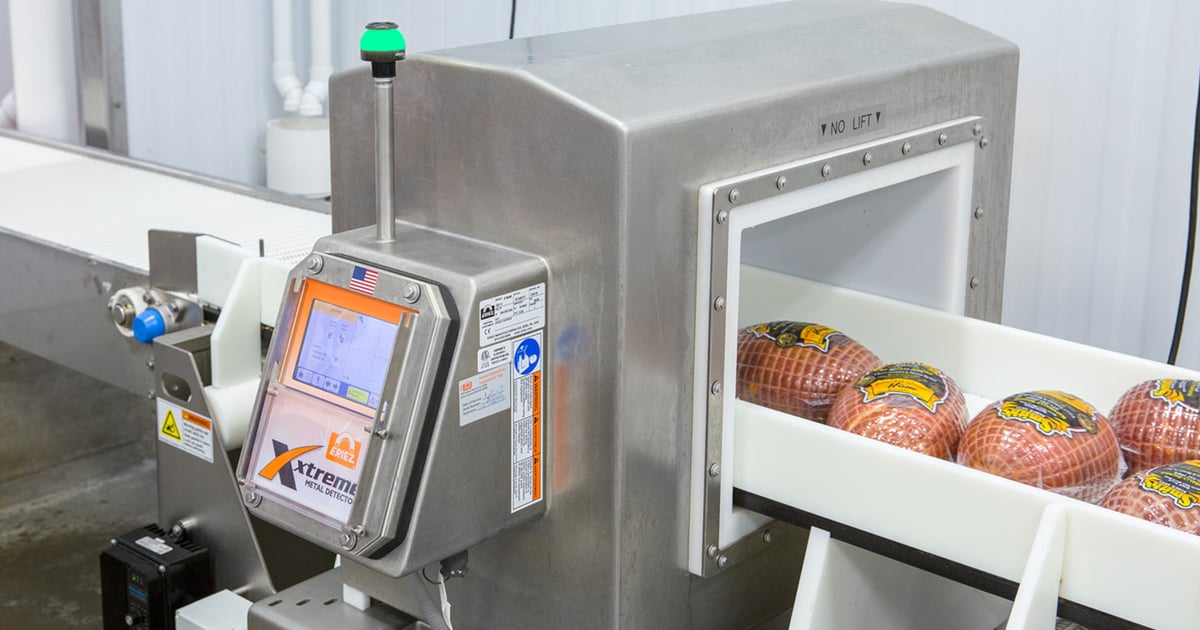
Food processing metal detection systems are essential for maintaining product safety and preventing contaminated products from reaching consumers. However, even high-quality equipment may not perform effectively if it is installed incorrectly. Proper installation ensures accurate detection, reduces operational problems, and helps extend the lifespan of the system.
Before purchasing or installing Food Processing Metal Detectors for Sale, manufacturers should understand the key installation requirements. Factors such as location, environment, equipment integration, and maintenance access all play an important role in achieving reliable performance.
Select the Right Installation Location
Choosing the correct installation location is one of the most important steps in setting up a metal detection system. The equipment should be placed where inspection can be performed effectively without disrupting production flow.
Consider installing the system at:
- The end of a production line
- Before final packaging
- After major processing stages
- Critical control points in the HACCP plan
The ideal location depends on the product type and contamination risk.
Ensure Stable Equipment Placement
A stable installation surface is necessary for accurate operation. Excessive vibration or movement can interfere with detection performance and create unnecessary errors.
During installation, make sure that:
- The equipment is placed on a level surface
- Conveyor alignment is correct
- Supporting structures are secure
- External movement is minimized
Proper positioning helps maintain consistent inspection results.
Avoid Electromagnetic Interference
Metal detection systems use sensitive electronic components that can be affected by electrical interference from nearby equipment.
Potential sources of interference include:
- Large motors
- Welding equipment
- Power cables
- Variable frequency drives
- Other electronic machines
Installing the detector away from strong electromagnetic sources helps improve detection stability.
Maintain Proper Conveyor Alignment
For conveyor-based systems, correct belt alignment is essential. An improperly adjusted conveyor can affect product movement and reduce inspection accuracy.
Installation checks should include:
- Belt tension
- Product positioning
- Conveyor speed
- Smooth product transfer
A properly aligned conveyor ensures products pass through the detection area consistently.
Follow Hygiene Requirements
Food processing environments require strict sanitation practices. Metal detection equipment should be installed in a way that allows easy cleaning and maintenance.
Important considerations include:
- Using food-grade materials
- Allowing easy access for cleaning
- Avoiding areas where water or debris can accumulate
- Maintaining proper drainage where necessary
Good installation practices support food safety and hygiene compliance.
Integrate the Reject System Correctly
The reject mechanism is a critical part of any metal detection system. Incorrect installation can result in contaminated products not being removed properly.
When installing the reject system, verify:
- Correct positioning
- Proper timing
- Product removal accuracy
- Safe collection of rejected items
Testing the reject function before full operation helps prevent production issues.
Calibrate the System After Installation
After installation, the metal detector should be properly calibrated to match the production environment and product characteristics.
Calibration involves checking:
- Detection sensitivity
- Product settings
- Alarm functions
- Reject accuracy
Regular calibration ensures the system continues to provide reliable inspection results.
Provide Operator Training
Even the most advanced metal detection system requires trained operators to function effectively. Employees should understand how to operate the equipment, perform basic checks, and respond to alerts.
Training should cover:
- Equipment controls
- Testing procedures
- Cleaning methods
- Fault handling
- Maintenance requirements
Proper training reduces mistakes and improves system reliability.
Schedule Regular Maintenance
Installation is only the beginning of maintaining a reliable inspection system. Regular maintenance helps prevent unexpected downtime and keeps detection performance consistent.
Maintenance activities may include:
- Cleaning inspection areas
- Checking sensors
- Testing sensitivity
- Inspecting conveyor components
- Reviewing system performance
A preventive maintenance plan improves equipment longevity.
Verify System Performance
After installation and calibration, manufacturers should perform final testing to confirm that the system meets operational requirements.
Performance verification should include:
- Testing with approved test samples
- Checking detection accuracy
- Confirming reject operation
- Reviewing system settings
This final step ensures the equipment is ready for continuous production use.
Conclusion
Proper installation is essential for maximizing the performance of food processing metal detection systems. From selecting the right location and preventing interference to calibrating the equipment and training operators, every step contributes to reliable operation. By following professional installation practices, food manufacturers can improve contamination control, maintain safety standards, and achieve long-term value from their metal detection investment.