Modern mosque infrastructure is evolving rapidly as architects and engineers adopt smarter, more efficient solutions for worship spaces. Among the most important areas of innovation is the ablution facility, where worshippers perform wudu before prayer. With increasing footfall in mosques and public prayer spaces, traditional washing systems are no longer sufficient to meet demands for hygiene, efficiency, and sustainability.
This shift has led to the development of technology-driven solutions that improve water management, user experience, and maintenance efficiency. A key example of this transformation is the modern Muslim Basin, which is now being designed with advanced engineering features that support automation, hygiene control, and intelligent water usage in next-generation mosque environments.
The Role of Technology in Modern Ablution Design
Technology integration in ablution systems is focused on improving efficiency, reducing water wastage, and enhancing user convenience. As mosques become larger and more frequently used, smart systems help manage high traffic while maintaining cleanliness and order.
Modern Muslim basin units are no longer simple fixtures; they are engineered systems that can incorporate sensors, optimized water flow, and improved drainage mechanisms to support better performance.
Key technological goals include:
- Efficient water usage and conservation
- Improved hygiene through contact reduction
- Automated or controlled water flow systems
- Enhanced durability and monitoring capabilities
These innovations contribute to more sustainable and user-friendly mosque infrastructure.
Smart Water Flow and Efficiency Systems
One of the most significant advancements in modern basin design is the integration of smart water flow control. Instead of continuous or manually controlled high-flow systems, modern designs can regulate water output based on user interaction or preset efficiency settings.
This helps reduce water wastage while maintaining adequate flow for proper ablution.
Key benefits include:
- Controlled water release to minimize waste
- Consistent pressure across multiple stations
- Reduced operational costs for large facilities
- Improved sustainability in water-scarce regions
These systems are particularly valuable in large mosques with high daily usage.
Touchless and Hygiene-Focused Innovations
Hygiene is a top priority in ablution areas, where multiple users share the same facilities throughout the day. Traditional manual taps can increase the risk of cross-contamination and water misuse.
Next-generation Muslim basin systems increasingly incorporate touchless technology to improve sanitation and user safety. These systems use motion sensors or automated triggers to activate water flow without physical contact.
Hygiene benefits include:
- Reduced physical contact with surfaces
- Lower risk of bacterial and viral transmission
- Improved cleanliness in high-traffic environments
- Easier maintenance of sanitary standards
These features are especially important in large public worship facilities.
Advanced Materials Supporting Technological Integration
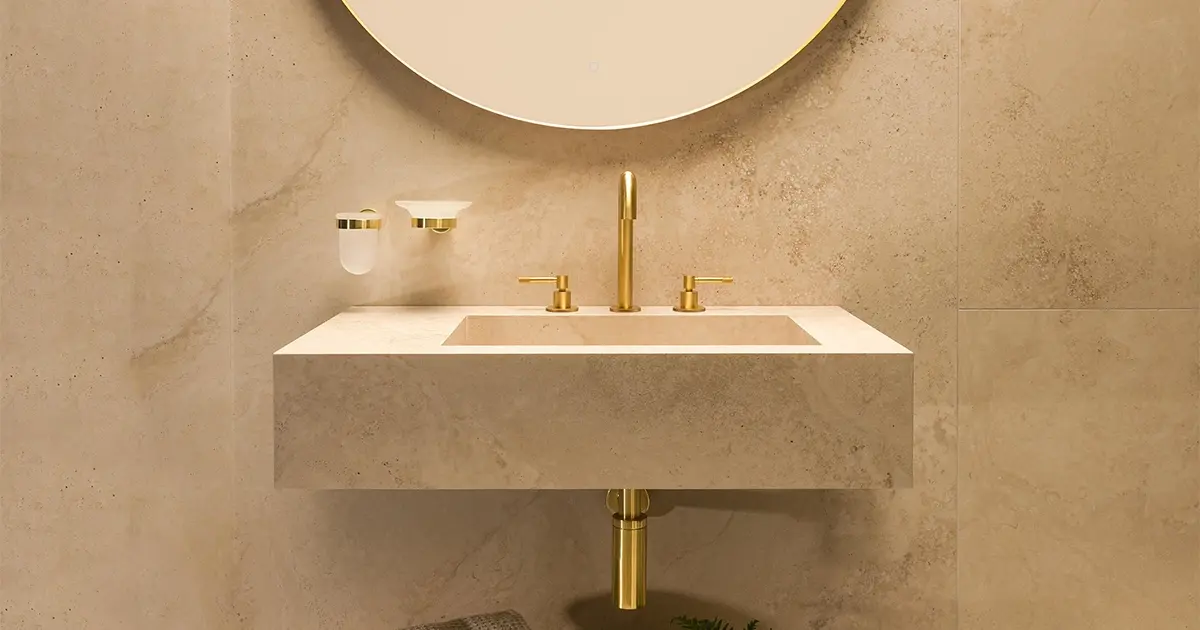
Technology integration is not limited to water systems alone; it also extends to the materials used in basin construction. Modern solid surface materials are designed to complement smart systems by offering durability, seamless design, and easy maintenance.
These materials support long-term performance while ensuring compatibility with embedded systems and modular components.
Material advantages include:
- Seamless surfaces that support hygienic design
- High resistance to moisture and chemical exposure
- Durability under continuous use conditions
- Compatibility with embedded fixtures and sensors
This makes them ideal for next-generation mosque infrastructure.
Digital Monitoring and Maintenance Efficiency
In large-scale mosque facilities, maintenance is a critical concern. Technology-enabled basin systems can support monitoring features that help facility managers track usage, detect issues, and schedule maintenance more efficiently.
While still evolving, digital integration in ablution systems is expected to play a larger role in future mosque infrastructure.
Potential advantages include:
- Early detection of leaks or system faults
- Usage tracking for maintenance planning
- Reduced downtime through predictive maintenance
- Improved operational efficiency for facility managers
These features help ensure long-term reliability and cost savings.
Sustainability and Water Conservation Impact
Water conservation is a key concern in modern mosque design, especially in regions where water resources are limited. Technology-integrated Muslim basin systems are designed to optimize water usage without compromising user experience.
Efficient flow control, sensor-based activation, and improved drainage systems all contribute to more sustainable infrastructure.
Sustainability benefits include:
- Significant reduction in water wastage
- Environmentally responsible mosque operations
- Lower utility costs for large facilities
- Support for green building initiatives
These improvements align with global sustainability goals in modern architecture.
Global Market Demand for Smart Ablution Systems
As mosque construction continues to expand worldwide, especially in the Middle East, Southeast Asia, and Africa, demand for advanced ablution solutions is increasing. Developers are now prioritizing smart, efficient, and hygienic systems that can handle high user volumes.
For manufacturers and exporters, this represents a strong opportunity to introduce technology-driven Muslim basin systems into international markets.
Effective strategies for growth include:
- SEO-focused content targeting smart mosque infrastructure and ablution systems
- Digital marketing campaigns aimed at architects and developers
- Participation in global construction and Islamic architecture exhibitions
- Partnerships with international distributors and technology integrators
By emphasizing innovation and sustainability, businesses can strengthen their global competitiveness.
Conclusion
The integration of technology into modern Muslim basin systems is transforming ablution facilities into smarter, more efficient, and more hygienic environments. From water flow control to touchless operation and digital monitoring, these innovations significantly enhance both functionality and user experience.
As global demand for advanced mosque infrastructure continues to grow, technology-driven ablution solutions will play an increasingly important role. Manufacturers and exporters who focus on smart design, sustainability, and innovation are well positioned to lead in this evolving international market.