
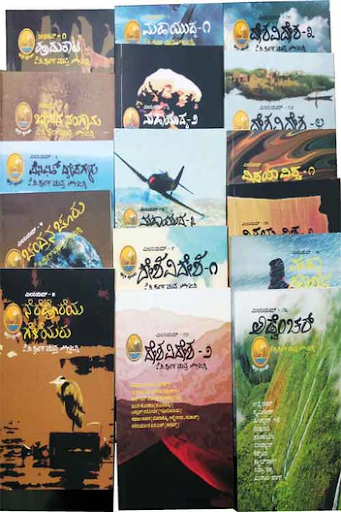
Kannada literature carries a remarkable lineage shaped by writers who combined imagination, philosophy, and social awareness with extraordinary linguistic skill. Among the most respected literary figures are Kuvempu and his son Poornachandra Tejaswi, whose writings continue to influence readers across generations. Their works are frequently discussed not only for artistic merit but also for the cultural insight they preserve within Kannada literary history.
Readers exploring KP Poornachandra Tejaswi books often encounter narratives that blend environmental awareness, rural experiences, mystery, and human psychology with unusual clarity. Alongside the intellectual richness of Kuvempu’s literary contributions, Tejaswi’s storytelling expanded Kannada literature into new thematic territories while maintaining a deep connection to Karnataka’s social and natural landscape.
The Distinct Literary Identity of Poornachandra Tejaswi
Poornachandra Tejaswi developed a literary voice that differed significantly from traditional narrative styles. His writing embraced realism while incorporating elements of suspense, humor, and scientific curiosity, creating stories that felt grounded yet imaginative.
Many readers appreciate the way his works capture rural Karnataka without romanticizing hardship or oversimplifying human relationships. The settings remain vivid, the dialogues natural, and the emotional tension subtle enough to leave a lasting impression long after the final page.
Kuvempu’s Enduring Influence on Kannada Literature
Kuvempu’s literary contribution extends far beyond poetry and fiction. His work introduced philosophical depth into Kannada writing while addressing themes related to equality, education, morality, and human dignity with remarkable precision.
Generations of readers continue to engage with his ideas because they remain intellectually stimulating without becoming inaccessible. His ability to merge literary sophistication with emotional resonance allowed his works to remain relevant across changing social and cultural contexts.
Exploring Important Works From Both Authors
Readers interested in Kannada literature often begin by exploring the major works that shaped the literary reputation of both writers. Their books differ in style and structure, yet each reflects a strong commitment to meaningful storytelling.
The literary connection between father and son becomes particularly fascinating when examining how their themes evolved across generations. While Kuvempu emphasized philosophical universality, Tejaswi often focused on observation, nature, and everyday complexity.
Tejaswi’s Nature-Centered Narratives
Several of Tejaswi’s stories revolve around forests, wildlife, farming communities, and ecological balance. These narratives avoid exaggerated dramatization and instead present nature as an active participant within human life.
Social Reflection in Kuvempu’s Writing
Kuvempu’s literature consistently explored social inequality, cultural identity, and ethical responsibility. His narratives challenged rigid social structures while encouraging readers to think beyond inherited divisions.
Mystery and Curiosity in Tejaswi’s Fiction
Tejaswi introduced investigative and suspense-driven storytelling into Kannada literature in a highly engaging way. His novels often combine mystery with scientific reasoning and observational detail.
Spiritual and Humanistic Themes
Kuvempu’s literary philosophy emphasized universal humanity and inner transformation. His writing often encouraged introspection while questioning social prejudice and narrow thinking.
Why Readers Continue Returning to Kannada Classics
Classic Kannada literature retains its importance because it offers insight into language, culture, and human experience that modern fast-paced media rarely captures. Readers often revisit these books to reconnect with thoughtful storytelling and nuanced character development.
Unlike temporary reading trends, these literary works continue to provide intellectual depth with every reading. Their ability to provoke reflection while remaining emotionally engaging explains why they remain widely discussed among Kannada readers.
Selecting Meaningful Literary Collections
Choosing the right editions and collections can significantly shape a reader’s experience. Authentic publications preserve linguistic integrity while presenting the text in a format suitable for modern readers.
For those interested in the best books of Kuvempu, carefully curated collections often include poetry, novels, essays, and philosophical works that represent different phases of his literary journey. Such collections help readers develop a broader understanding of his contribution to Kannada literature.
Factors Readers Commonly Consider
- Language clarity and accurate printing quality
- Availability of original Kannada editions
- Preservation of literary and cultural context
Why Curated Selections Matter
- They simplify exploration for new readers
- They help organize works by theme or genre
- They encourage deeper literary engagement
The Importance of Regional Bookstores in Literary Preservation
Independent bookstores continue to play a vital role in supporting regional literature and maintaining access to Kannada classics. Their collections often reflect careful selection rather than purely commercial demand.
Such bookstores help readers discover authors who may otherwise remain overlooked in larger retail systems. By preserving literary diversity, they contribute to the continued visibility of regional language publishing.
Reading Habits Are Changing, but Literary Value Remains
Although digital media has transformed reading habits, the demand for meaningful literary experiences has not disappeared. Readers increasingly seek books that offer reflection, intellectual stimulation, and cultural depth rather than temporary entertainment alone.
Kannada literature continues to attract audiences because it provides that depth through language, narrative structure, and philosophical engagement. Both Kuvempu and Tejaswi remain central figures in this continuing literary conversation.
Readers Seeking Intellectual Engagement
Many readers approach Kannada classics not merely for entertainment but for thoughtful exploration of society, ethics, and identity. Such literature encourages careful reading and deeper interpretation.
Younger Audiences Discovering Regional Literature
A growing number of younger readers are beginning to explore Kannada literary works through recommendations, academic discussions, and curated bookstore collections. This renewed interest strengthens the visibility of regional writing.
Literature as Cultural Continuity
Books preserve cultural memory in ways few other mediums can achieve. Through narrative, philosophy, and language, literary works connect generations while documenting changing social realities.
Collecting Books Beyond Casual Reading
Some readers build personal collections of Kannada literature as a way to preserve important works for future generations. Physical books often hold emotional and cultural significance that extends beyond their content.
Final Thoughts
What keeps readers returning to Kannada literary classics despite changing entertainment habits and digital distractions? The answer lies in the emotional honesty, philosophical richness, and cultural depth that continue to define these remarkable works. Literature created by writers like Kuvempu and Tejaswi remains deeply relevant because it encourages reflection while preserving linguistic and cultural identity.
For readers seeking carefully selected Kannada literary collections, Beetle Book Shop offers access to meaningful titles that support thoughtful reading experiences and long-term literary appreciation. Its curated shelves help readers discover enduring works, including the famous books of Kuvempu, within an environment that values authentic regional literature and serious readership.