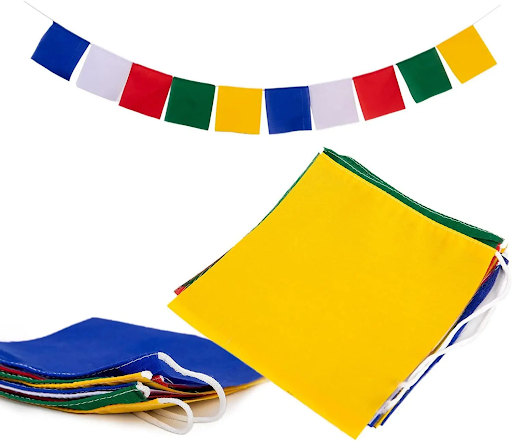
Across the Himalayan belt, long lines of colored fabric stretch between monasteries, homes, and mountain passes, carrying layers of meaning that extend far beyond their visual appeal. These prayer flags are deeply tied to Buddhist beliefs, where each printed mantra is intended to release blessings into the air. Their presence is subtle yet powerful, shaping both spiritual practice and regional identity through generations.
Global demand has steadily expanded as buyers look for products that blend symbolism with authenticity. Retailers, wellness brands, and cultural stores are now sourcing Wholesale Tibetan prayer flags to meet a market that values both heritage and purpose. This transition from sacred object to globally traded product reflects a growing appreciation for items rooted in tradition rather than mass production.
The Spiritual Foundation Behind Prayer Flags
Prayer flags are not decorative in origin. They are spiritual tools designed to transmit peace, compassion, and wisdom through natural elements. Each flag carries sacred texts and imagery, often including wind horse symbols and protective deities that reflect centuries of Buddhist philosophy.
The arrangement of colors follows a strict order, representing sky, air, fire, water, and earth. These elements together symbolize balance within the universe. When placed outdoors, the gradual fading of the fabric is not seen as damage but as a natural release of prayers into the world, reinforcing their deeper purpose.
Traditional Craftsmanship and Production Methods
Artisans across Nepal and surrounding Himalayan regions continue to produce prayer flags using time-honored techniques. Wooden blocks or screens are used to imprint sacred mantras onto fabric, requiring precision and familiarity with religious texts. This process ensures that each piece carries cultural integrity rather than generic replication.
Unlike factory-driven output, handcrafted flags often show slight variations in print and color alignment. These differences are not flaws but indicators of manual involvement. Buyers seeking authenticity often value this aspect, as it reflects a direct connection to the communities that preserve these practices.
Material Choices and Functional Durability
Cotton remains one of the most widely used materials for prayer flags due to its natural texture and ability to weather outdoor conditions. As it ages, the fading process aligns with the philosophy of impermanence, making the product spiritually complete rather than worn out.
Modern suppliers also offer polyester variations that provide increased resistance to harsh climates. These options are particularly useful for retailers who require longer-lasting stock. The balance between tradition and durability allows buyers to choose products that suit both symbolic value and practical use.
Expanding Use in Modern Environments
Prayer flags have gradually entered contemporary spaces where design meets mindfulness. They are frequently used in yoga studios, meditation centers, and wellness retreats to create a calming atmosphere. Their visual rhythm and symbolic meaning contribute to environments focused on reflection.
Interior stylists have also incorporated them into residential settings, using them as cultural accents that add depth without overwhelming a space. This adaptability has played a significant role in broadening their appeal beyond religious contexts.
Sourcing at Scale Without Losing Authenticity
As demand grows, businesses must balance volume with cultural accuracy. Reliable suppliers maintain direct connections with artisan communities, ensuring that production methods remain consistent even when quantities increase.
The rising demand for Bulk prayer flags has encouraged structured supply systems that still respect traditional processes. Buyers benefit from steady availability while retaining the handcrafted essence that defines these products.
Horizontal Prayer Flags
These are the most commonly recognized format, strung in lines between poles or structures. They are widely used in outdoor spaces and are available in multiple sizes.
Vertical Prayer Flags
Often seen on tall poles, these flags are arranged in a single column. They are associated with specific rituals and are commonly placed in open landscapes.
Lungta Designs
Lungta, or wind horse flags, feature symbols representing strength and good fortune. They are among the most popular designs in both traditional and commercial markets.
Custom Printed Variants
Some suppliers offer customized prints while maintaining traditional layouts. These cater to modern buyers seeking personalization without losing authenticity.
Expanding Product Lines with Complementary Goods
Beyond prayer flags, many suppliers provide a wider selection of Himalayan items that align with the same cultural and spiritual values. Singing bowls, incense, and handcrafted ornaments are often included to create cohesive offerings.
Retailers benefit from this diversity by building collections that feel complete rather than isolated. Customers engaging with one product category are more likely to explore related items, strengthening overall sales potential.
Core Complementary Categories
- Singing bowls crafted for meditation and sound therapy
- Incense products designed for ritual and daily use
- Handmade accessories reflecting regional artistry
Merchandising Advantages
- Thematic bundling improves perceived value
- Cross-category placement increases engagement
- Consistent storytelling enhances brand positioning
Ethical Trade and Sustainable Supply Chains
The commercialization of culturally significant items requires careful handling. Ethical sourcing ensures artisans are compensated fairly and that traditional processes are preserved without compromise.
Sustainability plays an equally important role. Natural materials, responsible production, and mindful distribution practices align with modern consumer expectations. Businesses that prioritize these elements tend to build stronger credibility in global markets.
Key Considerations for Buyers
- Transparent sourcing channels build long-term trust
- Quality control safeguards product consistency
- Eco-conscious materials support responsible trade
Long-Term Supply Stability
- Direct partnerships improve reliability
- Structured logistics prevent disruptions
- Balanced production protects artisan communities
Final Thoughts
What continues to draw global attention to these simple yet meaningful textiles, even as markets evolve and consumer expectations shift? The answer lies in their ability to carry history, intention, and craftsmanship within every thread. For businesses seeking authenticity without compromise, Himalayan Bazaar offers a dependable source rooted in Traditional Himalayan crafts, connecting global buyers with products that remain true to their cultural origins while meeting modern commercial expectations.