
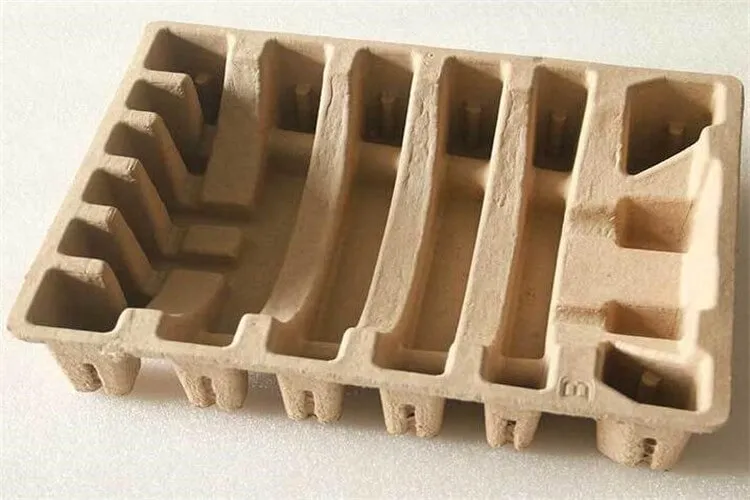
As global industries continue to prioritize sustainability, packaging has become one of the most important areas of innovation. Businesses are under increasing pressure to reduce plastic usage, lower carbon emissions, and adopt environmentally responsible materials without compromising product protection or cost efficiency. This shift has accelerated the adoption of molded fiber solutions across multiple sectors.
In this evolving landscape, molded pulp manufacturers play a central role in driving change through advanced production technologies and sustainable material development. Companies working with molded pulp manufacturers gain access to eco-friendly packaging solutions that align with modern environmental standards while meeting the performance needs of global supply chains.
The Rise of Green Packaging Solutions
Green packaging has moved from being a niche concept to a mainstream business requirement. Consumers are increasingly aware of environmental issues, and governments are introducing stricter regulations on plastic use. As a result, companies are actively seeking alternatives that are both functional and sustainable.
Molded fiber packaging has emerged as a leading solution due to its ability to replace plastic-based materials in a wide range of applications, including electronics, food service, retail, and consumer goods.
Key Trends in Molded Pulp Packaging
The molded pulp industry is evolving rapidly, with several key trends shaping its future.
1. Shift Toward Plastic Replacement
One of the strongest trends is the replacement of plastic packaging with molded fiber alternatives. Businesses are increasingly adopting molded pulp trays, inserts, and protective packaging to reduce environmental impact.
This shift is driven by:
- Environmental regulations limiting plastic use
- Consumer demand for sustainable packaging
- Corporate sustainability goals
- Increased availability of recyclable materials
2. Growth of E-Commerce Packaging
The rapid expansion of online shopping has created high demand for protective and sustainable packaging. Molded pulp solutions are ideal for e-commerce because they provide shock absorption and product protection while remaining lightweight and eco-friendly.
Brands are using molded fiber packaging to improve:
- Shipping protection
- Unboxing experience
- Brand sustainability image
- Packaging efficiency
3. Advanced Customization and Design Flexibility
Modern molded pulp manufacturers are focusing heavily on customization. Packaging is no longer one-size-fits-all; instead, it is designed specifically for individual products.
Customization trends include:
- Precision-molded inserts for electronics
- Branded surface textures and finishes
- Multi-compartment packaging designs
- Optimized shapes for reduced material usage
This level of customization improves both product protection and visual presentation.
Innovations in Manufacturing Technology
Technological innovation is a major driver of growth in the molded pulp industry. Manufacturers are continuously improving production processes to enhance quality, efficiency, and sustainability.
Improved Molding Techniques
Advanced molding technology allows for higher precision and consistency in packaging production. This ensures that each piece fits products accurately while maintaining structural strength.
Enhanced Material Performance
Innovations in fiber processing have improved durability, moisture resistance, and surface smoothness. These improvements expand the use of molded pulp packaging into more demanding applications.
Energy-Efficient Production
Modern production facilities are increasingly designed to reduce energy consumption and waste generation. This supports global efforts to lower carbon emissions across manufacturing industries.
Sustainability at the Core of Innovation
Sustainability remains the foundation of all innovations in molded pulp packaging. Manufacturers are focusing on reducing environmental impact throughout the entire production lifecycle.
Key sustainability improvements include:
- Use of recycled paper and renewable fibers
- Reduced water and energy consumption
- Biodegradable and compostable packaging solutions
- Lower carbon emissions compared to plastic production
These efforts support the transition toward a circular economy where materials are reused and recycled rather than discarded.
Industry Applications Driving Growth
Molded pulp packaging continues to expand across multiple industries due to its versatility and environmental benefits.
Electronics Industry
Used for protective inserts that secure fragile devices such as smartphones, laptops, and accessories.
Food Service Industry
Used for trays, containers, and takeaway packaging that reduces reliance on single-use plastics.
Consumer Goods Industry
Supports packaging for cosmetics, household items, and retail products with an emphasis on sustainability and design appeal.
This broad applicability is one of the main reasons for the rapid growth of molded pulp solutions worldwide.
Challenges and Future Improvements
Despite its advantages, molded pulp packaging still faces certain challenges, such as moisture sensitivity and limitations in high-humidity environments. However, ongoing research and development are addressing these issues.
Future improvements are expected in:
- Moisture-resistant coatings
- Increased structural strength for heavy products
- Faster and more efficient production systems
- Expanded design capabilities for complex packaging needs
These advancements will further strengthen molded pulp packaging’s position as a leading sustainable solution.
The Future of Molded Pulp Manufacturing
The future of molded pulp packaging is closely tied to global sustainability goals. As industries continue to move away from plastic, demand for eco-friendly alternatives will increase significantly.
Molded pulp manufacturers will play a crucial role in this transition by developing innovative, scalable, and cost-effective solutions that meet evolving market needs.
Conclusion
Molded pulp packaging is at the forefront of the global shift toward sustainable packaging. Driven by innovation, industry demand, and environmental responsibility, it continues to replace traditional plastic materials across multiple sectors.
As trends and technologies evolve, molded pulp manufacturers will remain essential in shaping the future of green packaging. Partnering with molded pulp manufacturers allows businesses to adopt advanced, eco-friendly packaging solutions that support both performance and sustainability goals.