Water distribution systems depend on consistent, correctly directed flow to deliver clean water and maintain reliable pressure. However, changes in pressure, pump shutdowns, or variations in demand can cause water to move backward through a pipeline. This reverse movement, known as backflow, can disrupt system operation, damage equipment, and potentially introduce contaminants into clean water supplies.
Water check valves help prevent these problems by allowing water to flow in the intended direction while automatically restricting reverse flow. They are widely used in municipal water networks, pumping stations, residential plumbing, irrigation systems, and industrial water treatment facilities. Understanding how these valves work, their different designs, and their installation requirements helps engineers and maintenance professionals select suitable equipment for reliable water management.
When evaluating a Water Check Valve, it is important to consider flow conditions, pressure requirements, installation orientation, and the level of backflow protection needed.
What Is a Water Check Valve?
A water check valve is an automatic mechanical device installed in a piping system to prevent or restrict reverse water flow. Unlike manually operated valves, it generally does not require an external handle, motor, or actuator. Instead, it responds to changes in fluid pressure and flow direction.
When water moves in the intended direction, the pressure difference opens the valve’s internal closure element. If flow slows, stops, or reverses, the closure element returns toward its seat, helping block reverse movement.
Water check valves are commonly installed downstream of pumps, in distribution pipelines, near storage tanks, and in other locations where reverse flow could affect system performance.
It is important to distinguish a standard check valve from a certified backflow prevention assembly. A check valve provides one-way flow control, but applications involving potable water contamination risks may require specifically approved backflow prevention devices under local plumbing and water regulations.
How Does a Water Check Valve Work?
The operating principle of a water check valve is based on the pressure difference across its internal closure mechanism.
Forward Flow
When water pressure on the inlet side is greater than the pressure on the outlet side by enough to overcome the valve’s opening resistance, the internal disc, ball, or other closure element moves away from the seat.
This creates a passage through which water can flow. The amount of opening depends on the valve design, flow rate, and pressure conditions.
Flow Stops
When the pump stops or the forward flow decreases, the pressure difference across the valve becomes smaller. The closure element moves toward its seat under the influence of gravity, a spring, reverse pressure, or a combination of these forces.
This movement prepares the valve to prevent reverse flow.
Reverse Flow
If downstream pressure becomes greater than upstream pressure, water attempts to move backward through the pipeline. The reverse pressure pushes the closure element against the seat, restricting or stopping the flow.
The speed and effectiveness of closure depend on the valve design, operating conditions, and condition of the sealing surfaces.
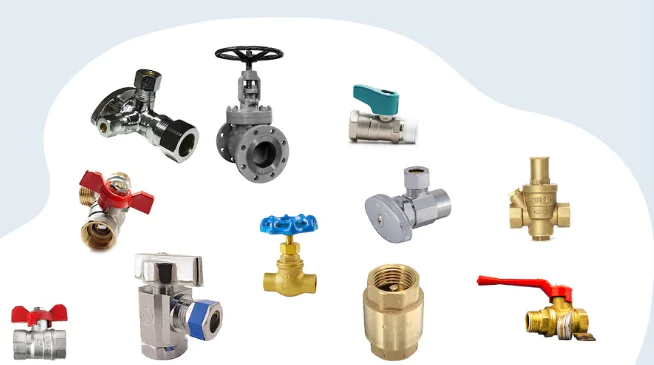
Common Types of Water Check Valves
Different check valve designs are available to accommodate variations in flow rate, pressure, pipeline size, installation position, and operating conditions.
1. Swing Check Valves
<escape></escape>Swing check valves use a hinged disc that moves away from the valve seat when water flows forward. When flow stops or reverses, the disc swings back toward the seat to restrict reverse movement.
They are commonly used in water distribution networks, pumping systems, and larger pipelines. Their relatively simple construction can provide a low-resistance flow path when fully open.
However, conventional swing check valves may close slowly under certain conditions, potentially contributing to water hammer. Selection should account for flow velocity, closure behavior, and pipeline dynamics.
2. Lift Check Valves
Lift check valves contain a disc or piston that moves vertically or along a guided path. Forward water pressure lifts the closure element from its seat, allowing flow. Reverse pressure moves it back toward the seat.
These valves are often used in applications where a guided closure mechanism is suitable. They generally require careful consideration of installation orientation and pressure drop.
3. Spring-Loaded Check Valves
Spring-loaded check valves use a spring to help return the internal closure element to its seat when forward flow decreases.
The spring can support faster closure than some gravity-operated designs, helping reduce the period during which reverse flow may develop. Actual performance depends on spring characteristics, flow velocity, and valve sizing.
These valves are used in pump discharge lines, water treatment equipment, and compact piping systems.
4. Dual-Plate Check Valves
Dual-plate check valves contain two hinged plates that open under forward flow and close when the flow reverses. Their compact construction and relatively low weight make them useful in certain larger pipeline installations.
Depending on their design, they may offer reduced closing travel and lower installation space requirements compared with some conventional swing check valves.
5. Ball Check Valves
Ball check valves use a spherical closure element that moves away from the seat during forward flow. When flow stops or reverses, the ball returns toward the seat and blocks the passage.
They are commonly used in certain water, wastewater, and pump applications. Their suitability depends on the fluid’s cleanliness, solids content, pressure, and valve construction.
6. Silent or Nozzle Check Valves
Silent check valves, also known as nozzle check valves in some designs, use a guided closure element and spring-assisted movement. They are designed to close quickly as forward flow decreases, helping reduce reverse-flow velocity and the risk of water hammer.
They are often considered for pump discharge applications and systems where pressure transients are a concern.
Why Are Water Check Valves Important?
Water check valves contribute to the safe and reliable operation of water systems in several ways.
Preventing Reverse Flow
Their primary function is to restrict water from moving in the wrong direction. This helps maintain intended flow paths and prevents unwanted movement between connected sections of a piping network.
Protecting Pumps
When a pump stops, downstream water can flow backward through the discharge line. This reverse movement may cause a pump to rotate backward or place additional stress on connected equipment.
A correctly selected check valve helps limit this reverse flow and supports pump protection.
Maintaining System Pressure
Reverse flow can contribute to pressure loss in certain systems, particularly those involving elevated storage tanks or pumping arrangements. Check valves help preserve the intended direction of water movement and can support pressure management.
They do not independently regulate or guarantee system pressure, which also depends on pumps, controls, storage, and network design.
Reducing Contamination Risks
In systems where different water sources or process fluids are connected, reverse flow may create a contamination pathway. A check valve can help restrict this movement.
However, a standard check valve should not automatically be treated as a complete potable-water backflow protection solution. Higher-risk applications may require approved double-check or reduced-pressure assemblies, air gaps, or other measures specified by local regulations.
Supporting Efficient Water Distribution
By limiting unwanted reverse movement, check valves help water systems maintain their intended operating direction. This is particularly important in networks with multiple pumps, branches, storage tanks, and treatment stages.
Applications of Water Check Valves
Water check valves are used in many types of water handling and distribution systems.
Municipal Water Supply Networks
Municipal networks use check valves in pumping stations, distribution pipelines, and storage installations. They help prevent reverse movement when pumps stop or pressure conditions change.
Residential and Commercial Plumbing
Check valves are used in selected plumbing arrangements, water heaters, booster systems, and other equipment where reverse flow could affect operation.
The type of protection required depends on the plumbing layout and local building codes.
Irrigation Systems
Agricultural irrigation networks use check valves to maintain the intended direction of water flow through pumps, filters, and distribution lines.
Where irrigation chemicals or fertilizers are introduced, additional approved backflow protection may be required to prevent contamination of potable water sources.
Wastewater Treatment Facilities
Check valves are installed in suitable pumping and process lines to help prevent reverse flow through equipment and pipelines. Material selection must account for wastewater characteristics, suspended solids, and possible corrosive conditions.
Industrial Water Systems
Manufacturing plants, cooling systems, and industrial treatment facilities use check valves to protect pumps and maintain directional flow through process equipment.
How to Choose the Right Water Check Valve
Selecting an appropriate check valve requires evaluating the complete piping system rather than choosing a product based on diameter alone.
1. Determine the Required Flow Rate
The valve must accommodate the expected flow rate without creating excessive pressure loss or operating instability.
Review minimum, normal, and maximum flow conditions. Some check valves may not open fully at low flow rates, potentially causing vibration, chatter, or premature wear.
2. Check Operating Pressure
Confirm that the valve’s pressure rating is suitable for normal operating pressure and possible pressure surges.
Consider both upstream and downstream pressure, especially in systems with pumps, elevated tanks, or changing operating conditions.
3. Evaluate Water Quality
Water may contain suspended particles, sediment, chemicals, or other contaminants. These materials can affect the closure element and seating surfaces.
For relatively clean water, several common designs may be suitable. Wastewater or water containing solids may require a design that can tolerate the expected contamination without becoming obstructed.
4. Consider Installation Orientation
Not every check valve can be installed in every position. Some swing and lift designs have specific orientation requirements, while certain spring-assisted models offer greater flexibility.
Always follow the manufacturer’s installation instructions and verify the permitted flow direction.
5. Review Pressure Drop
The internal geometry of a check valve influences resistance to flow. A valve that creates excessive pressure loss can reduce system efficiency and affect pump performance.
Compare available flow data and pressure-drop characteristics when selecting between designs.
6. Choose Compatible Materials
The valve body, disc, spring, seat, and seals must be compatible with the water chemistry and operating environment.
Common materials include cast iron, ductile iron, stainless steel, bronze, and engineered polymers. Selection should account for corrosion resistance, mechanical strength, temperature, and applicable potable-water approvals.
7. Assess Water Hammer Risk
Rapid changes in water velocity can create pressure surges known as water hammer. Check valve closure characteristics play an important role in these events.
For systems with frequent pump starts and stops or long discharge pipelines, engineers should assess transient conditions and consider suitable non-slam or spring-assisted designs where appropriate.
Water Check Valve vs. Backflow Preventer
Although both devices help protect water systems against reverse flow, they are not interchangeable in every application.
| Feature | Water Check Valve | Backflow Preventer |
|---|---|---|
| Main purpose | Restricts reverse flow | Protects against backflow and contamination |
| Construction | Usually one automatic closure mechanism | May contain multiple checks and pressure zones |
| Typical use | Pump protection and directional flow control | Potable water protection and cross-connection control |
| Testing requirements | Depends on application and applicable standards | Often subject to specific inspection and testing requirements |
| Protection level | Depends on valve design and condition | Depends on the approved assembly and hazard classification |
A standard check valve may be suitable for equipment protection, but it may not satisfy regulatory requirements for preventing contamination of drinking water. The required protection should be determined through a cross-connection assessment and applicable local regulations.
Common Problems with Water Check Valves
Like other mechanical components, check valves can experience operating problems over time.
Reverse leakage: Damaged seats, debris, corrosion, or worn closure components may prevent the valve from sealing properly.
Valve chatter: Repeated movement of the closure element may occur when the flow rate is too low or unstable for the selected design.
Water hammer: Slow or poorly matched closure behavior can allow reverse-flow velocity to develop before the valve closes, contributing to pressure surges.
Restricted flow: Deposits, trapped debris, damaged internal parts, or an undersized valve may increase flow resistance.
Sticking closure element: Corrosion, sediment, or mechanical wear can prevent the disc or ball from moving freely.
Identifying the cause requires checking operating conditions, flow rates, installation orientation, and internal valve condition.
Installation and Maintenance Best Practices
Proper installation and periodic inspection help maintain reliable check valve performance.
- Verify the flow direction marked on the valve body before installation.
- Confirm that the valve is suitable for the intended horizontal or vertical position.
- Ensure that the pipeline is clean and free of installation debris.
- Avoid pipe misalignment and excessive mechanical stress on the valve body.
- Check that the valve is correctly sized for the system’s flow conditions.
- Inspect for external leakage, corrosion, unusual noise, and vibration.
- Monitor pressure changes that may indicate valve malfunction or water hammer.
- Follow manufacturer instructions for inspection, servicing, and replacement.
Before opening or removing a valve, isolate the relevant pipeline, relieve pressure, drain the section as required, and follow site safety and lockout procedures.
Conclusion
Water check valves are important components in water supply, pumping, irrigation, wastewater, and industrial piping systems. By allowing forward flow and restricting reverse movement, they help protect pumps, maintain intended flow direction, and reduce the operational problems associated with backflow.
Choosing the right design involves considering flow rate, pressure, water quality, installation orientation, material compatibility, and closure characteristics. Swing, lift, spring-loaded, dual-plate, ball, and silent check valves each offer different performance characteristics.
For potable water applications, it is also essential to determine whether a standard check valve provides sufficient protection or whether a certified backflow prevention assembly is required. Careful selection, correct installation, and regular maintenance help support reliable water system performance over the valve’s service life.