


Certifications and Standards for a Trusted Silicone Tube Manufacturer
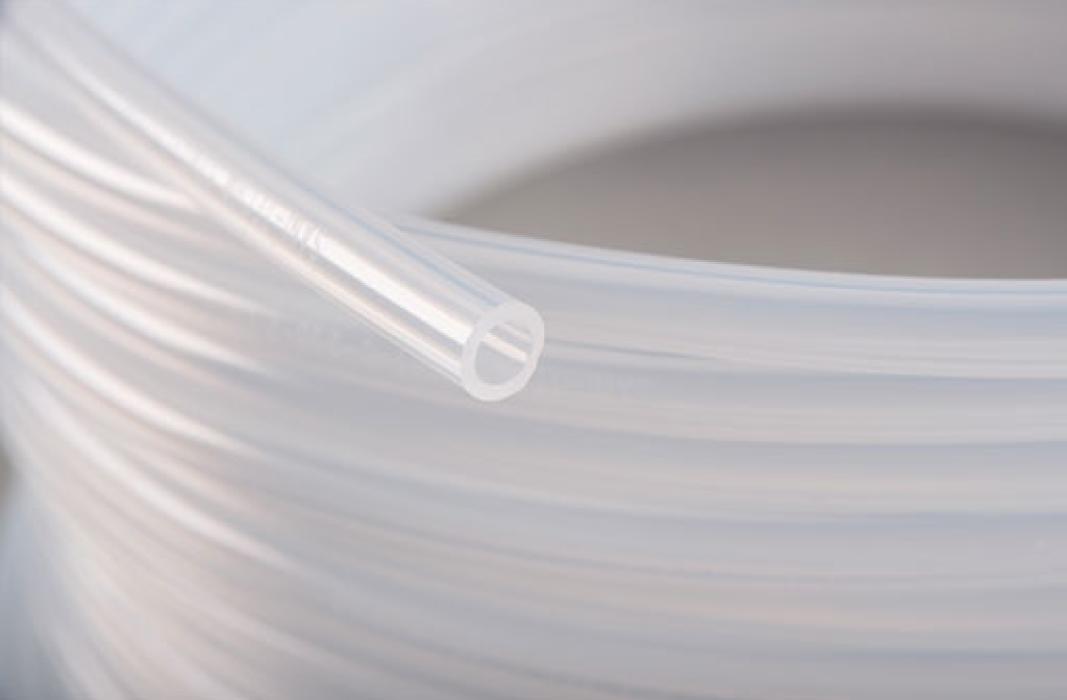
Silicone tubing is an essential component used in industries such as healthcare, pharmaceuticals, food processing, biotechnology, automotive systems, and industrial manufacturing. Because these applications often involve sensitive environments and strict safety requirements, certifications and standards play a crucial role in ensuring product reliability and regulatory compliance. Without proper certification, silicone tubing may not meet the necessary quality or safety benchmarks required for critical applications.
For businesses sourcing materials, understanding certifications is a key step in selecting the right supplier. Many organizations begin by reviewing a trusted Silicone Tube Manufacturer to evaluate which international standards and certifications they comply with. These certifications not only validate product quality but also demonstrate the manufacturer’s commitment to consistent production processes and regulatory compliance.
Importance of Certifications in Silicone Tube Manufacturing
Certifications serve as formal proof that a manufacturer follows recognized quality, safety, and environmental standards. In silicone tube manufacturing, certifications ensure that products are produced under controlled conditions and meet industry-specific requirements.
They help reduce risks related to product failure, contamination, and non-compliance with regulatory authorities. For industries such as healthcare and food processing, certifications are not optional but mandatory to ensure public safety and product integrity.
ISO 9001 Quality Management System
ISO 9001 is one of the most widely recognized certifications in manufacturing industries. It focuses on quality management systems and ensures that manufacturers follow consistent processes for production, inspection, and continuous improvement.
A silicone tube manufacturer with ISO 9001 certification demonstrates that it has well-defined procedures in place to maintain product quality and customer satisfaction. This certification also emphasizes process efficiency and defect reduction, which are critical for large-scale production.
ISO 13485 for Medical Device Manufacturing
ISO 13485 is specifically designed for manufacturers involved in medical device production. This certification is essential for silicone tubing used in healthcare applications such as catheters, surgical equipment, and fluid delivery systems.
It ensures that manufacturing processes meet strict regulatory and safety requirements. ISO 13485 also includes guidelines for risk management, traceability, and documentation control. Manufacturers with this certification are better equipped to produce tubing that meets medical-grade standards.
FDA Compliance for Food and Medical Applications
FDA compliance is required for silicone tubing used in food and pharmaceutical industries, especially in markets such as the United States. It ensures that materials are safe for direct or indirect contact with food and medical products.
FDA-compliant silicone tubing is tested for biocompatibility, chemical stability, and non-toxicity. This certification guarantees that the tubing does not release harmful substances under normal operating conditions. It is a critical requirement for ensuring consumer safety.
USP Class VI Certification
USP Class VI is one of the most stringent biocompatibility standards used in the medical and pharmaceutical industries. It involves extensive testing to ensure that silicone materials do not cause harmful biological reactions.
This certification evaluates factors such as systemic toxicity, intracutaneous reactivity, and implantation safety. Silicone tubing that meets USP Class VI standards is considered highly safe for use in medical applications involving direct contact with human tissue or fluids.
REACH Compliance for Chemical Safety
REACH (Registration, Evaluation, Authorization, and Restriction of Chemicals) is a European Union regulation focused on chemical safety. It ensures that all substances used in manufacturing are properly evaluated for environmental and health risks.
For silicone tube manufacturers, REACH compliance means that raw materials and additives used in production are safe and environmentally responsible. This certification is particularly important for companies exporting to European markets.
RoHS Compliance for Environmental Protection
RoHS (Restriction of Hazardous Substances) certification restricts the use of specific hazardous materials in electrical and electronic products. While silicone tubing is not always directly related to electronics, RoHS compliance is often required for industrial applications involving electrical systems.
It ensures that silicone tubing is free from harmful substances such as lead, mercury, and cadmium. This certification supports environmental sustainability and safe product usage across industries.
ISO 14001 Environmental Management System
ISO 14001 focuses on environmental management and sustainability practices within manufacturing operations. It ensures that manufacturers minimize environmental impact through efficient resource usage, waste reduction, and pollution control.
A silicone tube manufacturer with ISO 14001 certification demonstrates a commitment to environmentally responsible production. This is increasingly important as industries move toward sustainable manufacturing practices.
Importance of Traceability and Documentation
In addition to certifications, trusted manufacturers maintain detailed traceability systems and documentation. This includes batch records, material certificates, and quality inspection reports.
Traceability ensures that every product can be tracked from raw material sourcing to final delivery. This is especially important in regulated industries where product recalls or audits may occur. Proper documentation also enhances transparency and builds customer trust.
How Certifications Impact Product Quality
Certifications directly influence the quality and reliability of silicone tubing. Manufacturers that adhere to strict standards are more likely to produce consistent, high-performance products.
Certified processes ensure that every stage of production is monitored and controlled, reducing variability and defects. This results in tubing that performs reliably in demanding applications, whether in medical, industrial, or food-grade environments.
Conclusion
Certifications and standards are essential indicators of a trusted silicone tube manufacturer. They ensure that products meet strict safety, quality, and environmental requirements across various industries.
Standards such as ISO 9001, ISO 13485, FDA compliance, USP Class VI, REACH, RoHS, and ISO 14001 provide assurance that manufacturing processes are reliable and controlled. By choosing a certified manufacturer, businesses can ensure product safety, regulatory compliance, and long-term performance in critical applications.