


Appliance Combo Packages: A Smarter Way to Plan a Kitchen
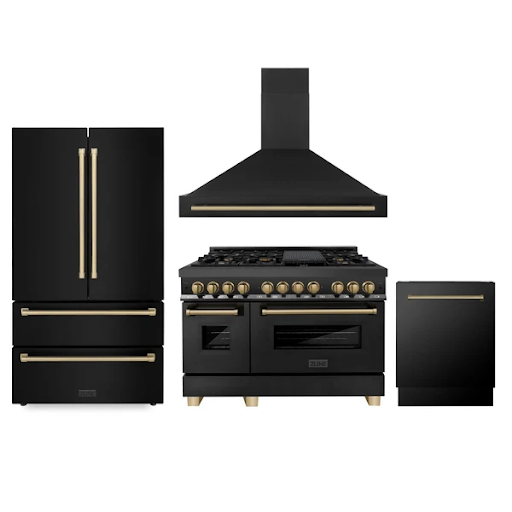
Kitchen renovations often involve several major purchases at the same time. A range, refrigerator, dishwasher, microwave, and ventilation system all need to fit the available space, work with existing utilities, and complement the overall design. For homeowners replacing multiple appliances together, appliance combo packages can simplify planning by grouping compatible products into one coordinated purchase.
The main advantage is convenience, but buying a package still requires careful comparison. Dimensions, fuel type, installation requirements, energy use, capacity, warranty coverage, and long-term service needs should all be reviewed before making a decision. A coordinated look is useful, but functionality should remain the priority.
What Are Appliance Combo Packages?
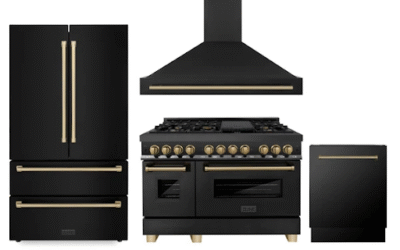
Appliance combo packages are bundled groups of kitchen appliances sold together rather than as separate purchases.
A typical package may include a refrigerator, range, dishwasher, and microwave or range hood. Other combinations may add wall ovens, wine coolers, or additional refrigeration.
The purpose is to make it easier for buyers to select appliances with matching finishes, handles, control styles, and general design language.
However, package contents can vary considerably. Buyers should check exactly what is included rather than assuming every bundle contains the same four or five appliances.
Why Can Buying a Package Be More Convenient?
One of the main benefits is reducing the number of individual product decisions.
Instead of comparing dozens of separate appliances, homeowners can begin with a smaller number of bundled configurations. This may also simplify coordination of finish, style, and delivery.
For large renovations, appliance combo packages can make budgeting easier because several major purchases are grouped together from the beginning.
They can also reduce the risk of selecting appliances that look noticeably different after installation, particularly when finishes such as stainless steel vary slightly between manufacturers or product lines.
Measure Every Appliance Opening Separately
A package may be visually coordinated, but that does not mean every appliance will automatically fit the kitchen.
Measure the spaces intended for:
- Refrigerator
- Range or cooktop
- Dishwasher
- Microwave
- Wall oven
- Ventilation hood
Width alone is not enough. Height, depth, door swing, handle projection, required ventilation clearance, and nearby cabinetry must also be considered.
When evaluating appliance combo packages, compare each individual product specification with the available opening. One unsuitable appliance can make an otherwise attractive package impractical.
Check Fuel and Electrical Requirements Early
Different kitchen appliances may require very different utility connections.
Gas ranges need a suitable gas supply, while electric and induction models may require higher-capacity electrical circuits. Refrigerators, dishwashers, microwaves, and ventilation equipment also have their own electrical requirements.
Some homes may need upgrades before certain appliance combo packages can be installed.
This is especially important in older properties where the existing electrical panel or gas connection may have been designed for lower-demand appliances.
Checking utilities early can help prevent unexpected renovation costs after the appliances have already been ordered.
Compare Capacity With Household Needs
Bigger appliances are not always more useful.
A large refrigerator can offer substantial storage, but it may reduce walkway space or extend too far beyond surrounding cabinetry. A wide range may provide additional burners while also requiring more ventilation.
The best appliance combo packages match household size and cooking habits.
Families that prepare most meals at home may benefit from larger refrigeration and oven capacity. Smaller households may prefer compact appliances that free up more cabinet and floor space.
Capacity should therefore be based on actual use rather than assuming larger specifications automatically represent better value.
Pay Attention to Ventilation
Ventilation should be planned alongside the cooking appliance.
Gas and high-output cooking equipment can produce heat, moisture, grease, and combustion by-products. Even electric cooking generates steam, odours, and airborne grease.
A range hood should be selected according to cooking output, appliance width, duct configuration, installation height, and local building requirements.
Some appliance combo packages may include a matching hood, but buyers should still verify that its ventilation performance is suitable for the range or cooktop.
Appearance and compatibility are not substitutes for adequate airflow.
Compare Features Across the Entire Package
A package should be evaluated as a group, not just by its most impressive appliance.
For example, a range may offer excellent cooking performance while the included dishwasher lacks desired rack flexibility. A refrigerator may provide generous storage while the microwave is larger than the available cabinet opening.
When comparing appliance combo packages, review each product individually for:
- Capacity
- Noise level
- Energy use
- Controls
- Cleaning features
- Installation requirements
- Warranty
- Maintenance access
This prevents one strong appliance from overshadowing weaker components elsewhere in the bundle.
Do Matching Appliances Need to Be the Same Brand?
Not necessarily.
Some homeowners prefer all appliances to come from one manufacturer because handles, finishes, logos, and controls may align more closely. Others mix products from different luxury appliance brands to get the exact cooking, refrigeration, and cleaning features they want.
Both approaches can work.
A mixed-brand kitchen may deliver better performance in individual categories, while a single-brand package can create stronger visual consistency and simplify purchasing.
The right choice depends on whether design uniformity or category-specific performance is more important.
Think About Finish and Long-Term Appearance
Finishes that look similar online may appear different in person.
Stainless steel can vary in tone, grain, reflectivity, and fingerprint resistance. Black and white finishes can also differ slightly between appliances.
With appliance combo packages, visual consistency is often easier to achieve because the products are intentionally grouped together.
However, buyers should also consider how the finishes will age and how easy they are to maintain. Highly polished surfaces may require more frequent cleaning, particularly in busy kitchens.
Review Warranty and Service Availability
Kitchen appliances are long-term purchases, so warranty and service support matter.
Buyers should check whether each appliance has the same warranty period or whether coverage varies within the package. Parts availability and local technician access can also influence long-term ownership.
A coordinated set is less useful if one component is difficult to repair or replace.
Before choosing appliance combo packages, investigate service procedures and whether replacement parts are readily available for each appliance type.
Calculate the Full Installed Cost
The advertised package price is only one part of the total expense.
Additional costs may include:
- Delivery
- Installation
- Gas work
- Electrical upgrades
- Plumbing
- Ventilation ducting
- Cabinet modifications
- Trim kits
- Removal of old appliances
A package deal on appliances may reduce the purchase cost compared with buying each item separately, but the final value should be calculated after installation expenses are included.
This creates a more realistic renovation budget and helps buyers compare packages fairly.
Avoid Paying for Features You Will Not Use
Premium appliances often include specialised modes, smart connectivity, decorative lighting, advanced controls, or additional cooking functions.
These features can be valuable, but only when they match actual household habits.
A homeowner who rarely bakes may not need numerous oven modes, while someone who cooks daily may value precise temperature control far more than app connectivity.
The most practical appliance combo packages are those where the majority of features will be used regularly.
Plan for Replacement in the Future
Appliances rarely fail at exactly the same time.
Even when purchased as a package, one unit may eventually need replacement before the others. Buyers should therefore avoid creating a kitchen design that depends on dimensions or finishes that are unusually difficult to match later.
Standard appliance widths and flexible cabinetry can make future replacement easier.
This long-term perspective is especially important when building cabinetry tightly around expensive equipment.
Conclusion
Bundled appliance purchasing can simplify a kitchen renovation by reducing separate buying decisions and helping create a coordinated design. The best appliance combo packages should still be evaluated appliance by appliance, with careful attention to dimensions, capacity, utilities, ventilation, warranty, and serviceability. For homeowners comparing options from different luxury appliance brands, the goal should be to balance visual consistency with the specific cooking, refrigeration, and cleaning performance the household actually needs. A package offers real value when it fits both the kitchen and the way the household uses it. Careful measurement, realistic budgeting, and individual specification checks can help buyers avoid costly compromises and create a more functional long-term appliance setup.